
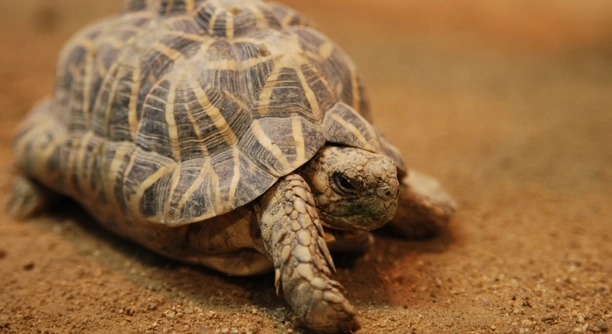
Do you ever find yourself wondering what tank size is best for your Indian star tortoise? Providing the right amount of space is essential for their well-being, ensuring they have enough room to move, bask, and explore comfortably.
An Indian star tortoise requires a minimum enclosure size of 4 feet by 2 feet for one adult. Larger enclosures are always better, as they allow for proper temperature gradients, enrichment, and overall health. Hatchlings can start in smaller setups but will need upgrades.
Providing an ideal environment ensures your tortoise thrives in captivity. From tank dimensions to setup essentials, there are key factors to consider when choosing the right size. Understanding these aspects will help create a comfortable and enriching habitat.
Why Tank Size Matters for Indian Star Tortoises
A properly sized tank is essential for the health and happiness of your Indian star tortoise. These tortoises need ample space to move, forage, and thermoregulate. If the enclosure is too small, they may become stressed, inactive, or prone to health issues. In a larger space, they can establish a natural routine, which includes basking, exploring, and resting. Hatchlings can start in a smaller enclosure, but as they grow, they need a bigger habitat. A well-sized tank also helps maintain temperature and humidity levels more effectively, reducing the risk of respiratory infections and shell deformities.
Providing enough space promotes physical activity and prevents behavioral issues. Tortoises in cramped enclosures often struggle with poor appetite and slower growth. A spacious setup encourages natural behaviors, leading to a healthier life.
Choosing the right tank size means thinking ahead. Since tortoises grow slowly but steadily, it’s best to invest in a setup they won’t outgrow quickly. A proper enclosure will ensure they thrive for years to come.
Minimum Tank Size Requirements
A single adult Indian star tortoise needs an enclosure that is at least 4 feet by 2 feet. However, larger spaces are always better, especially for multiple tortoises.
For hatchlings, a 2-foot by 1-foot enclosure can work temporarily. As they grow, they require more space to accommodate their increasing size and activity level. A larger tank allows for proper temperature gradients, giving them the ability to move between warmer and cooler areas as needed. It also helps create a more enriching environment by allowing space for hides, basking areas, and feeding zones. If you plan to keep more than one tortoise, you should increase the enclosure size accordingly.
Outdoor enclosures are ideal for Indian star tortoises when the climate allows. They provide natural sunlight and a more dynamic environment. If an outdoor setup is not possible, an indoor enclosure should be well-ventilated, with proper heating and lighting. Ensuring the right space will improve your tortoise’s overall well-being and reduce the likelihood of stress-related health issues.
Factors to Consider When Choosing a Tank
A tortoise’s size, activity level, and natural behaviors should guide your decision. A small space can limit movement and cause stress. Consider their need for a basking area, hiding spots, and a cool zone to maintain a comfortable and healthy environment.
The tank material is also important. Glass tanks retain humidity well but may restrict airflow, while wooden enclosures provide better ventilation. Plastic tubs are affordable but may lack durability. The enclosure should allow for easy cleaning and proper temperature control. A secure lid is necessary to prevent escapes and keep out potential threats. Accessibility matters too—front-opening enclosures make it easier to handle and maintain the habitat.
Lighting and heating must be factored in. UVB lighting is essential for shell and bone health, while a heat source helps regulate body temperature. A well-planned enclosure supports natural behaviors and overall well-being.
Creating the Ideal Environment
Indian star tortoises thrive in warm, humid environments. The temperature should range from 75-85°F, with a basking area reaching 95°F. Humidity should be around 60-70% to prevent dehydration and shell issues. Substrate choices like coconut coir or cypress mulch help maintain proper humidity levels and provide a comfortable surface.
Enrichment is key to keeping your tortoise active. Adding logs, rocks, and hiding spots encourages natural behaviors. A shallow water dish should always be available for hydration. Regular cleaning is necessary to maintain a hygienic habitat. Overcrowding the enclosure with decorations can limit space, so placement should be balanced.
A proper diet is just as important as the enclosure setup. Providing fresh greens, vegetables, and calcium supplements ensures healthy growth. Consistent feeding schedules and access to clean water support long-term health. A well-maintained environment allows your tortoise to thrive and stay active.
Common Mistakes to Avoid
Keeping the tank too small can lead to stress and restricted movement. Tortoises need space to roam, bask, and explore. A cramped enclosure can cause developmental issues and impact their overall well-being. Providing enough room is essential for a healthy and active tortoise.
Ignoring temperature and humidity levels can cause health problems. If the tank is too dry, shell deformities and dehydration may occur. If it’s too cold, digestion and activity slow down. Using proper heating, lighting, and substrate helps maintain the right conditions for a thriving tortoise.
Upgrading the Enclosure Over Time
As your tortoise grows, the enclosure should be adjusted to meet its needs. Hatchlings can start in smaller setups, but adults require more space. Gradually increasing the tank size ensures they stay comfortable. Regularly updating lighting, heating, and substrate improves their habitat and keeps them healthy.
Final Thoughts
A well-sized enclosure provides comfort and encourages natural behaviors. Proper lighting, heating, and substrate create a healthy environment. Paying attention to space, temperature, and enrichment ensures a thriving tortoise.
FAQ
Can an Indian star tortoise live in a glass tank?
Yes, but glass tanks have drawbacks. They retain humidity well but may cause stress due to reflections, making the tortoise think there’s another tortoise nearby. They also limit airflow. If using a glass tank, ensure proper ventilation and provide plenty of hiding spots to reduce stress.
How often should I upgrade my tortoise’s enclosure?
Upgrades depend on growth. Hatchlings can start in a smaller enclosure but will need more space within a year or two. An adult tortoise requires a larger, permanent setup. Regularly assess their space, and if they seem cramped, upgrade as soon as possible.
Can multiple Indian star tortoises live together?
Yes, but space is crucial. A single tortoise needs at least 4 feet by 2 feet, and each additional tortoise requires more room. They are not highly social and may become territorial, so provide separate hides and basking areas to prevent stress and competition.
What type of substrate is best for an Indian star tortoise?
A mix of coconut coir, cypress mulch, or organic topsoil works best. These substrates retain humidity while allowing natural digging behavior. Avoid sand or gravel, as they can cause impaction if accidentally ingested. Regularly spot-clean and replace the substrate as needed to maintain hygiene.
How do I maintain the right humidity levels?
Use a hygrometer to monitor humidity, keeping it around 60-70%. A proper substrate, misting the enclosure, and providing a shallow water dish help maintain moisture. In dry environments, adding a humid hide with damp sphagnum moss can prevent dehydration and shell issues.
What lighting does an Indian star tortoise need?
A UVB bulb is essential for calcium absorption and shell health. Without it, tortoises can develop metabolic bone disease. Provide 10-12 hours of UVB light daily. Replace the bulb every six months, as UVB output decreases over time even if the light still works.
Can I use a heat mat for my tortoise’s enclosure?
No, heat mats are not ideal. Tortoises need overhead heat sources, like a basking lamp, to mimic natural sunlight. A heat mat can cause uneven heating and may lead to burns. Use a ceramic heat emitter or basking bulb instead for consistent warmth.
How can I tell if my tortoise’s enclosure is too small?
If your tortoise constantly tries to climb the walls, seems restless, or stops using certain areas, the enclosure may be too small. A tortoise should have space to walk, turn, and explore comfortably. If they seem confined, it’s time to upgrade.
Should I place decorations in the enclosure?
Yes, but keep it balanced. Logs, rocks, and plants provide enrichment and hiding spots, but overcrowding can reduce space for movement. Ensure the layout allows easy access to basking and feeding areas while still offering enrichment opportunities.
Is an outdoor enclosure better than an indoor tank?
If the climate is warm and stable, an outdoor enclosure is ideal. It provides natural sunlight and more space for exploration. However, if temperatures drop too low, an indoor setup with proper heating and lighting is necessary to maintain a consistent environment.
How often should I clean the enclosure?
Spot-clean daily by removing waste and uneaten food. Replace the substrate every few weeks and do a deep clean once a month. Keeping the enclosure clean helps prevent bacterial growth and keeps your tortoise healthy.
What happens if my tortoise’s enclosure is too dry?
A dry environment can cause dehydration, shell pyramiding, and respiratory issues. If you notice flaky skin, sunken eyes, or lack of energy, increase humidity by misting the enclosure, using a proper substrate, and ensuring fresh water is always available.
Do Indian star tortoises need a water bowl?
Yes, a shallow water dish should always be available. Tortoises drink water and may also soak in it to stay hydrated. Change the water daily to prevent bacterial buildup and ensure they always have access to fresh, clean water.
How do I make sure my tortoise is comfortable in its tank?
Monitor their behavior. A relaxed tortoise moves around, eats well, and basks regularly. If they hide excessively, seem restless, or refuse food, check the temperature, humidity, and enclosure size. Adjusting their environment ensures they remain healthy and active.
Final Thoughts
Providing the right tank size for an Indian star tortoise is essential for its health and well-being. A spacious enclosure allows for natural behaviors like walking, basking, and exploring. If the tank is too small, the tortoise may become stressed and inactive, which can lead to health problems. A minimum of 4 feet by 2 feet is recommended for an adult, but bigger is always better. Hatchlings can start in smaller enclosures, but they will need upgrades as they grow. The enclosure should also have proper ventilation, heating, and humidity control to create a comfortable and stable environment.
A well-planned setup goes beyond just size. The type of substrate, lighting, and heating all play a role in keeping the tortoise healthy. UVB lighting is necessary for shell and bone development, while a basking lamp helps regulate body temperature. The right substrate, such as coconut coir or cypress mulch, helps maintain humidity and allows for digging. Adding enrichment like rocks, logs, and hiding spots encourages natural behavior. Regular cleaning and monitoring of temperature and humidity levels ensure a safe and hygienic space. Every detail matters when creating an ideal habitat for an Indian star tortoise.
Keeping a tortoise requires commitment and regular care. Choosing the right tank size from the start prevents the need for frequent upgrades and gives your tortoise the space it needs to thrive. A proper setup reduces stress and helps maintain good health. Regularly observing their behavior will help identify any signs of discomfort, allowing for quick adjustments. Providing a comfortable and enriching environment ensures that your Indian star tortoise lives a long and happy life.

Hello,
If you enjoy the content that we create, please consider saying a "Thank You!" by leaving a tip.
Every little bit helps us continue crafting quality advice that supports the health, happiness, and well-being of pets around the world, for pets of all shapes, sizes, and species.
We really appreciate the kindness and support that you show us!