
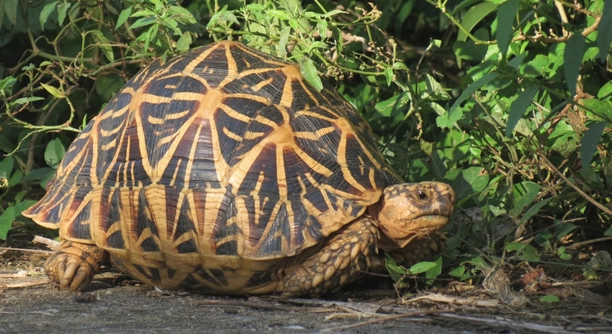
Your Indian Star Tortoise’s behavior can reveal a lot about its well-being. Stress can affect its health and happiness, so understanding the signs of stress is essential. Identifying these signs early will help you care for your tortoise properly.
To assess if your Indian Star Tortoise is stressed, observe its behavior and environment. Stress can result from factors such as temperature fluctuations, improper diet, or changes in habitat. Monitoring these aspects will help prevent long-term health issues.
Recognizing these signs ensures your tortoise remains comfortable. Keeping track of their behavior and environment will help maintain their health and happiness.
Common Signs of Stress in an Indian Star Tortoise
Stress in your Indian Star Tortoise can be tricky to spot if you’re not familiar with their typical behavior. However, the first signs to watch out for include changes in eating habits, lethargy, or a sudden decrease in activity. If your tortoise is spending too much time in its shell or hiding, it may be feeling stressed. This can occur due to changes in the environment, such as temperature shifts or an unsuitable habitat setup. Another common sign is excessive pacing or restlessness, which may indicate discomfort. It’s essential to observe their usual behavior so you can quickly notice when something feels off.
Pay close attention to how your tortoise reacts to new situations or environments. Even minor changes, such as a move to a different tank, can be stressful for them. If your tortoise seems unusually withdrawn or agitated, it’s a sign that something may be wrong.
Another common stress trigger for Indian Star Tortoises is improper lighting. These tortoises need UVB light to help them metabolize calcium. Without it, they may suffer from a variety of health issues, including stress. If your lighting setup is incorrect or inadequate, your tortoise may show signs of stress, such as lack of appetite or overall sluggishness. Providing the correct lighting and temperature will go a long way in preventing these problems. The right light can help them feel more secure and maintain healthy bone development. It’s essential to regularly check and adjust these settings to ensure they’re ideal for your pet’s needs.
Habitat Concerns
Habitat stress is another major factor for Indian Star Tortoises. A poorly maintained or overcrowded enclosure can make your tortoise feel anxious. They need enough space to roam and hide if they feel threatened. If the enclosure is too small or lacks hiding spots, your tortoise may feel exposed and vulnerable, causing it unnecessary stress. Providing a comfortable, spacious habitat will reduce the risk of stress and help your tortoise feel secure.
A proper diet is just as crucial in reducing stress. If your tortoise is not receiving the right nutrients or is being overfed, it can affect their overall mood and health. Offering a balanced diet of leafy greens, vegetables, and occasional fruits is essential for their well-being. Avoid feeding them too many high-protein foods or anything that’s not part of their natural diet. Overfeeding or offering inappropriate food can lead to digestive issues, which can add to their stress. Make sure the food is fresh and free from pesticides, as this will ensure they stay healthy and stress-free.
Temperature and Humidity Issues
Temperature fluctuations are one of the most significant causes of stress for your tortoise. They need a consistent temperature range, typically between 85-90°F during the day and a cooler area at night. If the temperature is too high or low, they may stop eating or retreat into their shell more often. Similarly, humidity is crucial for their skin health and comfort. Too dry of an environment can cause dehydration and respiratory problems, while excessive moisture can lead to fungal infections. Proper humidity levels (50-70%) will help your tortoise feel safe and at ease.
Maintaining the correct temperature and humidity in the tank is simple once you know the right levels. Use a thermometer and hygrometer to monitor the environment. If it’s too hot, your tortoise may appear sluggish or seek cooler areas in its habitat. On the other hand, if it’s too cold, it may become inactive, affecting its metabolism and appetite. Regularly adjusting the temperature and humidity ensures your tortoise stays comfortable and healthy. Additionally, avoid placing their tank in direct sunlight, as it can cause temperature spikes.
A proper heat source, such as a basking light or ceramic heater, helps regulate the temperature. It’s important to provide a heat gradient, allowing your tortoise to choose a warmer or cooler spot. A heat mat or lamp should never be placed directly under the substrate, as it can lead to burns. Humidity can be regulated by spraying water on the substrate or using a humidifier. It’s critical to balance the right moisture levels, as too much humidity can also lead to mold growth, which could cause more health issues for your pet.
Social Stress and Handling
Indian Star Tortoises can be sensitive to social stress. These tortoises prefer a quiet, calm environment and can get stressed when handled too often. Over-handling can lead to fear or anxiety, which may manifest as hiding or refusal to eat. If you need to handle them, keep it minimal and gentle. Ensure the environment around them remains calm and stress-free, as loud noises or other pets can disturb them. Some tortoises may adapt to socialization, but others prefer solitude.
Socialization should be approached carefully, as tortoises are solitary animals in the wild. If you have multiple tortoises, it’s important to monitor their interactions. Aggression or territorial behavior can cause stress, especially if they feel crowded. Male tortoises may become more territorial, which can lead to fighting if they feel their space is being invaded. To avoid this, ensure their living spaces are large enough and provide separate feeding areas. This reduces competition and gives each tortoise the space they need to thrive. If your tortoise shows signs of aggression or stress, it might be time to separate them to reduce tension.
Improper Diet
Feeding your Indian Star Tortoise the wrong food can stress them out and lead to health problems. These tortoises need a diet that mimics what they would find in the wild. Overfeeding or giving them foods high in protein or fat can disrupt their digestion and cause discomfort.
It’s important to avoid feeding them a lot of fruit or high-protein food. Stick to leafy greens like dandelion greens, collard greens, and other dark, leafy vegetables. Avoid iceberg lettuce, as it has little nutritional value. Offering a varied and balanced diet ensures your tortoise stays healthy and stress-free.
Lack of Enrichment
Indian Star Tortoises need mental stimulation and physical activity to stay happy. Without enrichment, they may become stressed and lethargic. Make sure your tortoise has space to explore and engage with its environment. Simple additions like rocks, logs, or plants provide opportunities for exploration and exercise.
A lack of stimulation can lead to signs of boredom and stress. Consider changing their habitat around every few weeks to keep things interesting. Providing different textures or hiding spots can also encourage natural behaviors and prevent frustration. A well-enriched environment ensures your tortoise stays active and healthy.
Health Problems
Sometimes stress can be a result of underlying health issues. If your tortoise is showing signs of stress, such as a lack of appetite, lethargy, or excessive hiding, it could be an indication of an illness. Respiratory infections or parasites can make them feel unwell and increase stress levels.
If your tortoise appears unwell, it’s best to consult a veterinarian specializing in reptiles. Early detection and treatment can prevent further complications. In addition, make sure their environment is optimal for health, as poor conditions can contribute to illnesses. Keeping an eye on any sudden changes in behavior is key to spotting health problems early.
FAQ
How can I tell if my tortoise is stressed?
Stress in an Indian Star Tortoise is often visible through changes in behavior. If your tortoise is hiding more often, eating less, or seems unusually lethargic, these are common signs of stress. They may also pace around their enclosure or seem restless. If you notice any of these behaviors, it’s time to assess their environment, diet, and routine to figure out what might be causing the stress.
What causes stress in Indian Star Tortoises?
Several factors can contribute to stress in Indian Star Tortoises. Incorrect habitat conditions, such as improper lighting, temperature, or humidity, are some of the most common causes. Social stress, overcrowding, or constant handling can also lead to discomfort. Additionally, an unbalanced diet or lack of enrichment can make them feel stressed and anxious.
How do I prevent stress in my tortoise?
To prevent stress, it’s essential to create a stable environment for your tortoise. This means maintaining the correct temperature, humidity, and lighting levels in their enclosure. Ensure they have enough space to move around and hide when they feel threatened. A balanced diet and occasional changes in the enclosure will keep your tortoise mentally stimulated and healthy.
Can stress affect my tortoise’s health?
Yes, prolonged stress can have a significant impact on your tortoise’s health. It can weaken their immune system, making them more susceptible to illness. Stress can also lead to digestive issues, lack of appetite, and behavioral changes. In extreme cases, it can result in the development of serious health problems, including shell rot or respiratory infections. Ensuring your tortoise is comfortable and stress-free will help maintain their overall health.
How can I help my tortoise adjust to a new environment?
When introducing your Indian Star Tortoise to a new environment, it’s important to do so gradually. Give them time to adjust by keeping the new space as similar as possible to their previous one. Keep the temperature and humidity consistent, and avoid handling them too much during the adjustment period. Allow your tortoise time to explore their new space at their own pace. Avoid stressing them with sudden changes or noisy surroundings during this transition period.
What should I do if my tortoise isn’t eating?
If your tortoise isn’t eating, it could be a sign of stress, illness, or poor habitat conditions. First, check the temperature and humidity levels in their enclosure, as these factors can greatly affect their appetite. If everything seems fine with their environment and diet, consider seeing a vet to rule out any underlying health issues. Sometimes, stress from handling or social situations can cause a temporary loss of appetite. Make sure the food you’re offering is fresh and appropriate for their diet.
Can Indian Star Tortoises live with other pets?
Indian Star Tortoises are solitary animals and may not do well living with other pets in the same enclosure. They can become stressed if there are other animals that are too active or aggressive. If you have multiple tortoises, it’s crucial to give them plenty of space and monitor their interactions closely. Overcrowding or territorial disputes can lead to stress and health issues. It’s generally best to keep them in their own separate enclosures to avoid unnecessary stress.
How often should I handle my tortoise?
Handling your tortoise should be kept to a minimum. Overhandling can cause stress and anxiety, especially if they’re not used to being held. Aim to handle them gently and briefly when necessary, such as for cleaning or routine check-ups. Always allow your tortoise to roam freely in their habitat without constant interference. If they seem uncomfortable or stressed, give them more space and time to adjust.
Is UVB light necessary for my tortoise?
Yes, UVB light is crucial for an Indian Star Tortoise. It helps them synthesize vitamin D3, which is necessary for calcium absorption and overall bone health. Without adequate UVB light, your tortoise may develop metabolic bone disease or other health issues. Make sure the light source is positioned correctly, providing a basking spot with both heat and UVB rays, and replace the bulb as recommended to ensure your tortoise stays healthy.
What are the best foods for an Indian Star Tortoise?
Indian Star Tortoises require a diet high in fiber and low in protein. Offer a variety of leafy greens like dandelion greens, collard greens, and endive. You can also provide some edible flowers, such as hibiscus, and a small amount of fruit as an occasional treat. Avoid feeding them high-protein foods like meat, and stay away from iceberg lettuce, which has no nutritional value. Ensure all food is pesticide-free and fresh. A proper diet will keep your tortoise healthy and happy.
What temperature should my tortoise’s enclosure be?
The temperature in your Indian Star Tortoise’s enclosure should range from 85°F to 90°F during the day. At night, it should cool down to around 75°F. You can create a heat gradient within the enclosure, allowing your tortoise to move to warmer or cooler areas as needed. A basking area with a higher temperature of around 95°F will provide them with a spot to soak in warmth. Maintaining these temperatures helps your tortoise stay active and healthy.
Can stress cause shell damage in tortoises?
Yes, prolonged stress can lead to various health issues, including shell damage. Stress weakens the immune system, making the tortoise more vulnerable to infections or conditions like shell rot. If your tortoise is stressed for an extended period, it may also exhibit poor growth or deformities in the shell. Ensuring your tortoise’s environment is stable and stress-free can help prevent these issues. Regular checks for shell health and proper care are crucial for keeping your tortoise’s shell in good condition.
How can I reduce stress during travel with my tortoise?
When traveling with your tortoise, it’s important to minimize stress by keeping them in a secure, well-ventilated carrier. Avoid sudden temperature changes and loud noises, as these can upset them. Ensure they are hydrated before and during the journey, and keep travel times as short as possible. If traveling long distances, plan for stops to allow your tortoise to rest in a calm environment. Keeping their habitat stable while traveling will help reduce stress and make the experience more comfortable for your tortoise.
Final Thoughts
Ensuring the well-being of your Indian Star Tortoise involves paying attention to various factors, including their habitat, diet, and behavior. These tortoises are sensitive creatures that thrive in stable and calm environments. Keeping their enclosure at the right temperature, providing proper lighting, and offering a balanced diet are key components in maintaining their health. Stress can significantly affect their immune system, appetite, and overall behavior. By identifying and addressing stressors early on, you can prevent long-term health issues and ensure your tortoise lives a comfortable life.
Regular observation is crucial in identifying signs of stress or discomfort in your tortoise. These may include behaviors such as hiding more often, pacing, or losing interest in food. Addressing these signs promptly can prevent further health complications. It’s also important to avoid handling them too frequently, as this can cause unnecessary stress. Creating a secure, enriching environment that mirrors their natural habitat can help your tortoise feel safe and reduce anxiety. By monitoring their physical and emotional needs, you’ll be able to provide a stable and supportive space.
In conclusion, the key to a healthy and happy Indian Star Tortoise is consistency. They require an environment that supports their natural instincts and behaviors. By keeping their enclosure clean, offering a variety of appropriate foods, and ensuring proper lighting and temperature, you’ll be supporting their well-being. Stress management plays a large role in their overall health, and as long as you stay attuned to their needs and provide a safe environment, your tortoise can live a long and healthy life.

Hello,
If you enjoy the content that we create, please consider saying a "Thank You!" by leaving a tip.
Every little bit helps us continue crafting quality advice that supports the health, happiness, and well-being of pets around the world, for pets of all shapes, sizes, and species.
We really appreciate the kindness and support that you show us!