
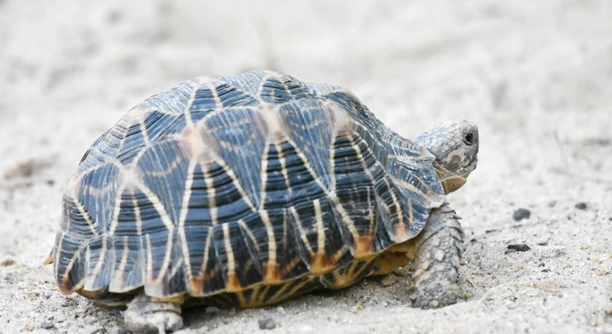
Indian Star Tortoises are fascinating creatures, and their behavior can sometimes leave owners wondering. One of the most common questions is why they dig so much. Understanding this behavior can help improve their care.
Indian Star Tortoises dig for various reasons, including exploring their environment, seeking food, or establishing a comfortable nesting site. Digging is a natural behavior that can be linked to their instincts for finding shelter, safety, and maintaining health.
Recognizing the reasons behind your tortoise’s digging behavior is key to ensuring their well-being. This knowledge can also prevent unnecessary stress and help create a better living environment.
Natural Instincts at Play
Tortoises, including Indian Star Tortoises, have a strong instinct to dig. This behavior is not unusual. They dig to find a cooler or warmer environment, depending on the climate. It’s an important part of their routine for survival. Digging can help them establish a secure space to rest or hide from potential threats. They are naturally inclined to dig in the wild as a way of adapting to different environments. The process also aids in maintaining proper body temperature by regulating exposure to heat or cold. It is simply their way of creating a comfortable environment.
This behavior is essential for their overall health and well-being. Tortoises dig to adjust their habitat conditions, ensuring they stay within the optimal temperature range.
The digging behavior can also be connected to mating or nesting needs, especially during certain seasons. Female tortoises may dig to lay eggs, while males may use the digging to create a suitable space for mating activities. It’s vital to provide enough space for this instinctive behavior, as it allows them to express their natural habits.
Seeking Comfort and Security
Digging also serves as a way for the tortoise to feel secure and settled in its space.
When kept in captivity, a tortoise may dig as a response to stress or an attempt to adjust its environment. Providing a well-structured enclosure with ample space can help reduce these behaviors, allowing the tortoise to feel safe and calm.
Exploring for Food
Tortoises are naturally foragers, and digging is one way they search for food. It’s in their instinct to dig through soil or sand to uncover plants, insects, and other edible materials. This behavior helps them find the nutrition they need.
In captivity, this behavior might occur when they are not receiving enough variety in their diet. If they’re not getting the proper amount of vegetables or other food sources, they may dig in an attempt to find something new to eat. This can also happen when they are not satisfied with the food provided.
To prevent this, make sure your tortoise’s diet is rich in leafy greens, vegetables, and occasional fruits. A balanced diet can help reduce the need for extra digging. Always observe their behavior to ensure their needs are met.
Nesting and Reproduction
Nesting is another key reason for digging. Female tortoises often dig to lay eggs, especially in the warmer months. This is part of their natural reproductive cycle, which needs to be supported in captivity.
Provide your tortoise with enough space to dig. If you have a female, ensure there are suitable nesting areas. A substrate that is soft and deep enough for digging will mimic their natural behavior. Without the right environment, a tortoise may become stressed, or worse, lay eggs in inappropriate places.
Keep the enclosure clean and provide ample hiding places, ensuring the tortoise feels comfortable and secure enough to nest.
Searching for Shelter
Tortoises dig to create shelter from extreme temperatures or potential threats. This is a natural instinct to find a safe, secure spot where they feel protected. Digging helps them establish a hiding place to feel secure.
In the wild, tortoises dig to escape predators or find a cooler environment during the hottest parts of the day. In captivity, they might dig for the same reasons. Make sure their enclosure provides a safe, shaded area for them to retreat to when needed.
Stress and Anxiety
Stress can also lead to increased digging behavior in tortoises. If they feel threatened or uncomfortable, they may dig to cope with their anxiety.
Tortoises can experience stress from changes in their environment, handling, or even overcrowding. Creating a peaceful, stable environment with plenty of hiding spots can help alleviate this stress and reduce the need for excessive digging. Regularly check their living conditions to ensure they remain comfortable.
FAQ
Why is my Indian Star Tortoise digging so much?
Digging is a natural behavior for tortoises. They dig to search for food, create shelter, and establish a safe space. Tortoises dig to regulate their body temperature, find nesting sites, or hide from threats. When kept in captivity, they might dig more often if they are not receiving proper care, such as an inadequate diet, stress, or lack of suitable space. It’s important to monitor their surroundings to ensure they feel secure.
Should I be concerned if my tortoise digs constantly?
Constant digging is not necessarily a problem, but it can indicate an underlying issue. If your tortoise is digging excessively, check the environment for stressors, such as overcrowding, inappropriate temperatures, or insufficient space. Tortoises may also dig more if they are not getting enough food or variety in their diet. In most cases, ensuring a comfortable and enriched environment will help reduce excessive digging.
How can I stop my tortoise from digging so much?
To reduce digging, ensure that your tortoise’s living environment is stress-free. Provide a balanced diet, a suitable substrate for digging, and enough space to roam. A comfortable temperature range is essential. Also, ensure they have plenty of hiding spots for security. Stress can be minimized by limiting unnecessary handling and maintaining a stable environment. If the digging continues, consult with a veterinarian to rule out any health issues.
How deep should I provide a substrate for my tortoise to dig in?
A suitable substrate should be deep enough for your tortoise to dig comfortably. Ideally, the substrate should be around 4 to 6 inches deep. This allows your tortoise to perform natural digging behaviors like burrowing or nesting. Ensure the material used is safe and non-toxic. Common options include coconut coir, soil, or a mixture of sand and dirt.
Can my tortoise dig too much?
Excessive digging can be a sign of an underlying issue. If your tortoise is digging beyond normal behavior, it could be a result of stress, an unsuitable environment, or health problems. It’s important to evaluate their living conditions to ensure they’re comfortable. In some cases, a veterinarian may be able to provide guidance if the digging becomes problematic.
Is it normal for a female Indian Star Tortoise to dig?
Yes, it’s normal for female Indian Star Tortoises to dig, especially if they are of reproductive age. Females often dig to lay eggs, a behavior that typically happens in the warmer months. If your female tortoise is digging more frequently, it may be attempting to create a nesting site. It’s important to provide enough space and a suitable substrate for this behavior, especially if you want to support her reproductive needs.
Can I prevent my tortoise from digging?
While you can’t entirely prevent your tortoise from digging, you can manage the behavior by creating a more stable and enriching environment. Providing enough space, appropriate temperatures, a variety of food, and hiding spots can minimize stress and reduce excessive digging. Regularly check their enclosure and adjust conditions as needed. A suitable environment should help satisfy their natural instincts, keeping them comfortable and healthy.
Do Indian Star Tortoises dig to escape?
Yes, tortoises may dig to escape if they feel threatened or unsafe. If your tortoise is digging to try and escape, it could be because of stress, fear, or an uncomfortable living situation. Ensure the enclosure is secure, with proper fencing to prevent them from escaping. Also, make sure the environment is calm and stable to reduce stressors that could lead to escape attempts.
What should I do if my tortoise lays eggs in the wrong place?
If your tortoise lays eggs in an inappropriate location, such as an area with no substrate or a dangerous spot, gently move them to a more suitable place. Provide a nesting area with enough space, soft substrate, and a safe environment for the eggs to develop. Monitor the tortoise’s behavior closely and ensure that the new nesting site meets her needs. If you are unsure, consult with a veterinarian or a reptile expert for advice on proper egg care.
How can I help my tortoise feel more secure and stop digging?
Tortoises dig to feel secure, and they need an environment that provides this sense of safety. To help your tortoise feel more comfortable, make sure they have a spacious, clean enclosure with plenty of hiding places. Offer areas with cooler and warmer temperatures so they can regulate their body heat. Avoid frequent handling or environmental changes that could cause stress. A stable, calm environment will reduce the need for excessive digging.
Final Thoughts
Indian Star Tortoises naturally dig as part of their behavior, and it’s important to understand that this is a normal activity for them. Digging helps them explore their environment, search for food, and create shelter. In captivity, this behavior can also be influenced by the enclosure setup, temperature, or diet. Ensuring that your tortoise has an appropriate space, substrate for digging, and a balanced diet will support their natural instincts and reduce unnecessary stress. While some digging is normal, excessive digging can indicate an issue that needs attention.
If your tortoise is digging constantly, it may be worth evaluating its living conditions. Look for potential stress factors like overcrowding, lack of hiding spots, or improper temperatures. A suitable environment, including a comfortable temperature range, plenty of food variety, and the ability to dig in a safe place, will help your tortoise feel secure. Pay attention to any changes in behavior, and be proactive in addressing any discomfort your tortoise might be experiencing. When kept in a stable and enriched environment, tortoises are less likely to engage in extreme behaviors like continuous digging.
Finally, remember that each tortoise is unique. Some may dig more than others, and it’s essential to pay attention to their needs. If you notice excessive digging or other concerning behaviors, it may be helpful to consult with a veterinarian experienced with reptiles. They can help ensure your tortoise is healthy and that their digging behavior is normal. Providing a suitable environment with adequate care will help your Indian Star Tortoise live a happy and healthy life, allowing them to enjoy their natural instincts in a safe and comfortable setting.

Hello,
If you enjoy the content that we create, please consider saying a "Thank You!" by leaving a tip.
Every little bit helps us continue crafting quality advice that supports the health, happiness, and well-being of pets around the world, for pets of all shapes, sizes, and species.
We really appreciate the kindness and support that you show us!