
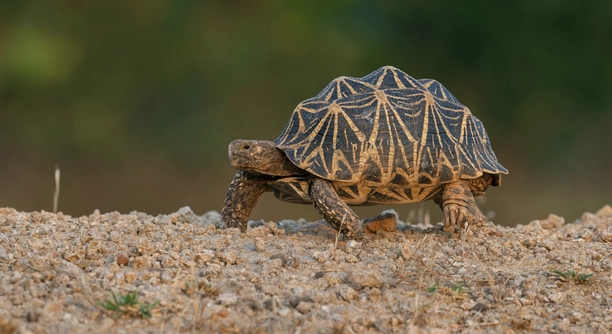
Respiratory infections in Indian star tortoises are a common issue. These tortoises are susceptible to environmental factors that can lead to breathing problems. Identifying and treating these infections early is essential for their well-being.
To treat respiratory infections in Indian star tortoises, begin with isolating the affected tortoise. Ensure a warm, dry environment and consider consulting a veterinarian for proper diagnosis and treatment. Administer any prescribed medications and monitor for improvement.
Treating these infections promptly will help prevent serious complications and promote recovery.
Identifying Respiratory Infections in Indian Star Tortoises
Respiratory infections in Indian star tortoises can be tricky to spot in the early stages. Common signs include wheezing, nasal discharge, and labored breathing. The tortoise may also exhibit lethargy or a loss of appetite. These symptoms can be mistaken for other issues, so it’s important to monitor your tortoise closely. A sudden change in behavior, especially if it affects eating or movement, should raise concern. Keeping a close eye on your tortoise’s activity level is essential in preventing further complications.
It’s also vital to check for visible nasal discharge or mucus. This is one of the clearest indicators of respiratory infection. If you notice these signs, it’s time to act.
A sudden drop in activity levels can also be a sign of illness. If left untreated, respiratory infections can lead to severe health problems, including pneumonia. Early intervention is key to avoiding long-term issues and ensuring your tortoise’s health.
Creating a Proper Environment for Recovery
A warm, dry environment plays a crucial role in your tortoise’s recovery.
Keep your tortoise in a well-ventilated, warm area to help clear its respiratory system. Avoid placing it in damp or excessively cool conditions. A heated area with an ambient temperature around 80-85°F works best for recovery.
If your tortoise has been diagnosed with a respiratory infection, provide a space where it can rest comfortably and heal. Maintaining proper humidity levels and ensuring that the enclosure is free of drafts will help prevent further stress on your tortoise’s respiratory system. You can also use a reptile humidifier to create the right conditions for healing. A dry, warm environment allows the infection to subside while giving the tortoise the space it needs to rest and recover fully.
Importance of Veterinary Care
When dealing with respiratory infections, seeing a veterinarian is crucial. They will provide a proper diagnosis and recommend the best course of treatment.
Veterinarians will typically assess your tortoise’s symptoms and may run tests to confirm the presence of a respiratory infection. They may also prescribe antibiotics or other treatments to help clear the infection. It’s important to follow their instructions carefully to avoid complications. Delaying a visit to the vet can worsen the condition and make recovery more difficult.
Regular check-ups are also beneficial, as they can help identify any underlying issues that could be contributing to respiratory problems. A vet’s professional guidance is key in ensuring your tortoise’s recovery.
Hydration and Nutrition
Keeping your tortoise hydrated is essential during recovery.
Offer fresh water in a shallow dish that’s easy for your tortoise to reach. It’s important to keep the water clean and free from contaminants. A hydrated tortoise has a better chance of fighting off an infection and staying healthy.
You can also offer your tortoise soft, easy-to-digest food, like leafy greens or fruits. Avoid hard or dry foods that may be difficult for a sick tortoise to consume. Maintaining proper nutrition will support your tortoise’s immune system and help with recovery. Avoid overfeeding and make sure they eat at a steady pace to avoid stress.
Administering Medications
If your vet prescribes medications, be sure to follow their instructions closely.
Administering medication correctly is important for effective treatment. Be consistent with dosage and timing. You can hide medication in food if your tortoise refuses to take it directly. Keep track of any changes in behavior or symptoms after giving the medication.
Monitoring Progress
Continue monitoring your tortoise for any signs of improvement or worsening symptoms.
If symptoms don’t improve within a few days, consult the vet for further advice. Keep the environment clean and continue offering the proper hydration and nutrition. Regularly check for any new signs of infection, as prompt treatment is crucial.
Preventing Future Infections
Preventing respiratory infections starts with proper care.
Make sure your tortoise’s living space is free of drafts, humidity, and extreme temperature changes.
FAQ
What are the main causes of respiratory infections in Indian star tortoises?
Respiratory infections are commonly caused by environmental stressors like poor temperature regulation, high humidity, or inadequate ventilation. Infections can also be a result of unsanitary living conditions or improper diet. Poorly maintained enclosures and exposure to cold or damp environments are significant contributors to respiratory issues in tortoises.
How can I tell if my Indian star tortoise has a respiratory infection?
Signs of respiratory infection include wheezing, nasal discharge, labored breathing, and lethargy. The tortoise may also have reduced appetite or seem less active than usual. If you notice these symptoms, it’s essential to act quickly to prevent the infection from worsening.
Can respiratory infections in Indian star tortoises be treated at home?
Mild cases of respiratory infections can sometimes be treated at home with the right care, such as maintaining a warm, dry environment and ensuring proper hydration. However, severe cases require professional veterinary care and may involve antibiotics or other medications. It’s always best to consult a vet for advice on treatment.
Is it safe to use a heat lamp for my tortoise during recovery?
Yes, using a heat lamp can help maintain the proper temperature for your tortoise. A warm environment supports the immune system and helps the tortoise fight the infection. Ensure that the temperature stays consistent, and avoid excessive heat or cold that could cause further stress to your tortoise.
How long does it take for a tortoise to recover from a respiratory infection?
Recovery time varies depending on the severity of the infection. In mild cases, your tortoise may start improving within a few days to a week. For more severe cases, it could take several weeks with proper veterinary care. Consistent monitoring and following treatment guidelines will speed up the recovery process.
What can I do if my tortoise refuses to eat while sick?
If your tortoise isn’t eating, try offering softer, easier-to-digest foods like leafy greens or mashed fruits. You can also try soaking the food in water to increase hydration. If the lack of appetite persists for more than a few days, consult a veterinarian to ensure there are no complications.
Can a respiratory infection in tortoises lead to pneumonia?
Yes, if left untreated, respiratory infections can progress to pneumonia, which is a more severe condition that affects the lungs. Pneumonia can lead to long-term health issues or even death, so it’s crucial to treat respiratory infections as soon as symptoms appear to avoid complications.
How can I prevent respiratory infections in my Indian star tortoise?
To prevent respiratory infections, maintain a clean and dry living environment for your tortoise. Ensure that the enclosure has proper ventilation and is kept at the correct temperature and humidity levels. Regularly clean the enclosure and avoid sudden temperature changes. A balanced diet will also help maintain a strong immune system.
Should I isolate my tortoise if it has a respiratory infection?
Yes, isolating your sick tortoise is a good idea to prevent the infection from spreading to other reptiles or animals. Keep the affected tortoise in a separate enclosure with appropriate temperature and humidity levels. This will allow it to rest and recover without additional stress.
Can I use antibiotics for my tortoise if it has a respiratory infection?
Antibiotics are commonly prescribed by veterinarians to treat respiratory infections in tortoises. Never administer antibiotics without professional guidance, as the wrong type or dosage can be harmful. Always follow the vet’s instructions carefully when giving medication to ensure the infection is treated properly.
What is the best type of food for a tortoise recovering from a respiratory infection?
Soft, easy-to-digest foods are best for a tortoise recovering from a respiratory infection. Offer leafy greens, such as romaine lettuce, dandelion greens, or collard greens. You can also try offering small amounts of soft fruits like strawberries or watermelon. Avoid hard foods or anything that could cause further stress during recovery.
Can respiratory infections spread between tortoises?
Yes, respiratory infections can spread between tortoises, especially if they are housed together in the same enclosure. If one tortoise shows signs of illness, it’s important to isolate it immediately to prevent the infection from spreading. Keep the enclosure clean and disinfected to reduce the risk of transmission.
What are the risks of not treating a respiratory infection in a tortoise?
If left untreated, a respiratory infection can lead to serious complications like pneumonia, which can affect the tortoise’s ability to breathe properly. This can cause long-term damage to the respiratory system or even result in death. Early treatment is essential to prevent these risks and ensure the tortoise’s health.
Can stress cause respiratory infections in tortoises?
Yes, stress can weaken the immune system and make tortoises more susceptible to respiratory infections. Stress can result from improper habitat conditions, poor diet, overcrowding, or frequent handling. Minimizing stress by providing a stable, comfortable environment is key to preventing illness.
Final Thoughts
Respiratory infections in Indian star tortoises can be serious, but with prompt care and proper management, most tortoises can recover. Keeping an eye on the environment and addressing any signs of illness early is essential. A warm, clean, and well-ventilated habitat will help prevent these infections and support your tortoise’s overall health. If symptoms like wheezing, nasal discharge, or labored breathing appear, it is important to act quickly and consult a veterinarian.
Veterinary care is crucial, as infections can escalate without the right treatment. Following prescribed medication and maintaining a stable living environment will give your tortoise the best chance at a full recovery. In addition, ensuring your tortoise has a balanced diet with proper hydration is just as important as medical treatment. A healthy tortoise with a strong immune system is less likely to fall ill and more likely to bounce back quickly if they do become sick.
Prevention plays a large role in keeping your tortoise healthy. Proper habitat maintenance, stress reduction, and attention to diet can reduce the risk of respiratory infections. By monitoring your tortoise’s behavior and environment regularly, you can catch potential issues before they become serious. Keeping up with routine check-ups and being mindful of any changes in your tortoise’s condition will help protect them in the long term. A little care goes a long way in ensuring your tortoise stays happy and healthy.

Hello,
If you enjoy the content that we create, please consider saying a "Thank You!" by leaving a tip.
Every little bit helps us continue crafting quality advice that supports the health, happiness, and well-being of pets around the world, for pets of all shapes, sizes, and species.
We really appreciate the kindness and support that you show us!