
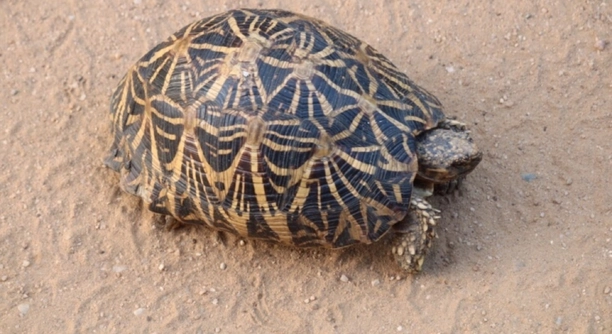
Shell rot in Indian Star Tortoises is a common issue that can affect their overall health. It’s important to identify the signs early to prevent serious harm. Recognizing and treating this condition will help ensure your tortoise thrives.
Shell rot is a bacterial or fungal infection that damages the shell, causing soft spots, discoloration, or foul odor. Preventing it involves maintaining proper humidity, cleaning, and providing a suitable habitat to keep your tortoise healthy and safe.
Understanding how shell rot develops and how to prevent it is essential for any tortoise owner. Protecting your pet starts with simple steps to ensure its well-being.
What is Shell Rot in Indian Star Tortoises?
Shell rot is an infection that can affect the outer shell of Indian Star Tortoises, causing damage to the protective layer. It often begins as small, soft spots that may look discolored or smell unpleasant. Over time, if left untreated, the infection can worsen, leading to bigger holes or deep damage to the shell. This condition can be harmful to the tortoise’s overall health and can make them vulnerable to further infections. It is essential for owners to regularly check their tortoise’s shell for any changes in appearance or texture to catch shell rot early.
This infection is typically caused by bacteria or fungi, which thrive in moist, unsanitary conditions. Tortoises that are kept in environments that are too damp or not properly cleaned are more at risk. Maintaining a clean living space for your pet is one of the best preventive measures against shell rot.
Shell rot can be prevented through proper care and maintaining a clean habitat. Regular shell inspections are crucial to catch any early signs before they turn into larger problems.
Causes of Shell Rot
Shell rot is commonly caused by improper humidity and poor hygiene in the tortoise’s habitat. The presence of moisture in combination with dirt and waste creates a breeding ground for harmful bacteria and fungi.
Keeping your Indian Star Tortoise in a dry, clean environment is the most effective way to prevent shell rot. Regularly clean the enclosure, replace bedding, and avoid leaving food and waste to accumulate. Additionally, make sure that your tortoise has access to sunlight, as this helps prevent the buildup of bacteria.
A good rule of thumb is to spot clean daily and thoroughly clean the entire enclosure once a week. Make sure that the tortoise’s food is also fresh and not left in the enclosure to rot, as decomposing food can create harmful bacteria. Proper ventilation in the enclosure also plays a big role in reducing humidity levels that encourage the growth of fungus.
By creating a balanced environment with the right temperature and cleanliness, you can significantly reduce the risk of shell rot. Regular care can go a long way in keeping your tortoise happy and healthy.
Signs of Shell Rot
Shell rot can be spotted through a few clear signs. You may notice soft spots, discoloration, or an unusual smell coming from the shell. These are all indications of an infection starting to take hold.
The first signs might be subtle, like small, slightly soft areas on the shell or light discoloration. If the rot progresses, the affected areas may turn darker, appear pitted, or even develop a foul odor. In severe cases, holes or deep indentations may form. It’s essential to catch these early, as untreated rot can lead to serious health problems, such as infection or shell damage.
You should check your tortoise regularly, especially after it has been in a moist environment. If you notice any unusual changes, it’s best to consult a vet for an assessment and appropriate treatment. Early intervention is key to preventing the condition from worsening.
Treatment for Shell Rot
Treatment for shell rot begins with cleaning the infected areas carefully. Using a mild antiseptic or saline solution is the first step in managing the infection. This helps to remove dirt and bacteria from the surface.
After cleaning, it’s important to dry the shell thoroughly. You can apply an antibiotic ointment or an antifungal cream as recommended by a vet. These treatments will target the bacteria or fungus causing the infection. In more severe cases, a vet might need to remove damaged tissue or provide additional care.
Along with treatment, ensure the tortoise’s habitat is improved. Reducing moisture levels and increasing the cleanliness of the enclosure will prevent further exposure to bacteria or fungi. Be sure to keep your tortoise in a dry, warm area as this will speed up healing and help prevent reinfection.
Preventing Shell Rot
Preventing shell rot starts with maintaining proper hygiene and a balanced environment. Keep the tortoise’s living space clean, dry, and well-ventilated. Regular inspections will also help catch early signs before they develop into larger issues.
Make sure the enclosure has proper humidity levels, not too damp or dry, and ensure that the tortoise has access to natural sunlight. Proper diet and hydration also play a role in overall health, which can make your tortoise less susceptible to infections. Regularly spot clean the habitat and replace the bedding to avoid bacteria buildup.
Ideal Habitat Conditions
The ideal habitat for an Indian Star Tortoise should include a warm environment with access to UV light. A temperature between 80-90°F during the day and slightly cooler at night is recommended.
Ensure your tortoise has both a basking area under a UV light and a cooler area to retreat to. This allows them to regulate body temperature. A shallow water dish for drinking and bathing is essential, but make sure it’s not deep enough for the tortoise to submerge fully. A dry area with proper substrate will help avoid moisture buildup and reduce the risk of shell rot.
Diet and Shell Health
A healthy diet is essential in preventing shell rot. Providing your tortoise with a varied diet of dark leafy greens, grasses, and occasional fruits helps ensure strong shell growth. Proper nutrition supports their immune system and helps them fight infections.
Offer a calcium supplement to encourage shell strength, and avoid overfeeding high-protein foods. Too much protein can cause health issues and even contribute to an imbalance that makes them more vulnerable to infections like shell rot. Monitoring their diet regularly and ensuring they’re getting all the necessary nutrients can go a long way in preventing shell damage and illness.
FAQ
How do I know if my tortoise has shell rot?
Shell rot can be recognized by soft spots or discoloration on your tortoise’s shell, which may eventually develop into holes or a foul odor. The infected area can appear darker than the rest of the shell, and in more severe cases, there could be visible damage. If you notice any changes or unusual signs, it’s important to act quickly to avoid further damage.
Can shell rot heal on its own?
Shell rot typically does not heal on its own. It requires proper treatment, such as cleaning the affected area and applying antibiotics or antifungal creams. Without intervention, the infection can worsen and potentially lead to permanent damage to the shell. Immediate action is necessary to prevent further complications.
How can I treat mild shell rot?
For mild shell rot, start by cleaning the affected area with a gentle antiseptic or saline solution. Dry the shell thoroughly, and apply an antibiotic or antifungal ointment. It’s important to keep the tortoise in a clean, dry environment with appropriate humidity levels. Monitor the condition regularly and, if necessary, consult a vet for further treatment.
When should I take my tortoise to the vet for shell rot?
If you notice any signs of shell rot, especially if the condition worsens or doesn’t improve after basic care, it’s time to visit a vet. A professional will assess the severity of the infection and provide more specific treatment, such as removing damaged tissue or prescribing stronger medications. Prompt veterinary care ensures the best chance for full recovery.
What causes shell rot in Indian Star Tortoises?
Shell rot is caused by bacteria or fungi that thrive in moist, unsanitary conditions. If the tortoise’s habitat is too damp or dirty, it increases the risk of infections. Poor hygiene, improper temperature, and high humidity levels are common contributing factors. Ensuring a clean, dry living space is essential in preventing shell rot.
How do I prevent shell rot from happening?
To prevent shell rot, focus on maintaining a clean and dry environment for your tortoise. Regularly spot clean the enclosure, replace the bedding, and ensure proper ventilation. The habitat should have the right humidity levels and temperature, and your tortoise should have access to UV light for proper health. Regularly inspect your tortoise’s shell for any changes, and always keep their diet balanced and nutritious.
Is it possible for shell rot to spread to other tortoises?
Yes, shell rot can spread between tortoises if they share the same habitat or are in close contact with each other. If one tortoise has shell rot, it’s crucial to isolate them from others to prevent the infection from spreading. Additionally, clean and disinfect the entire enclosure thoroughly before reintroducing other tortoises.
Can shell rot affect the health of my tortoise long-term?
If left untreated, shell rot can lead to long-term health problems. Severe cases can cause permanent damage to the shell, affecting the tortoise’s ability to move and function properly. It can also lead to systemic infections if the bacteria or fungi enter the tortoise’s body. Early treatment is crucial to avoid lasting effects.
What is the best substrate to use for preventing shell rot?
The best substrate for preventing shell rot is one that keeps the environment dry while allowing for occasional humidity. Options like hay, coconut coir, and shredded paper are suitable choices. Avoid substrates that retain too much moisture, like peat moss or overly damp soil, as they can encourage fungal growth. Keep the substrate clean and dry to reduce the risk of bacterial and fungal infections.
How often should I clean my tortoise’s enclosure to prevent shell rot?
You should spot clean your tortoise’s enclosure daily to remove waste and uneaten food. A thorough cleaning of the entire habitat should be done at least once a week. Regularly change the bedding and disinfect the surfaces to ensure a clean and dry environment. Keeping the enclosure free of excess moisture is key in preventing shell rot.
Can shell rot be prevented with regular bathing?
Bathing your tortoise regularly can help maintain good hygiene and hydration, but it won’t prevent shell rot on its own. While bathing can help clean the shell and provide hydration, the primary prevention of shell rot lies in maintaining a dry, clean habitat with proper humidity levels. Regular bathing should be part of an overall care routine but not the sole preventative measure.
Final Thoughts
Shell rot in Indian Star Tortoises is a serious condition that requires prompt attention. It is caused by bacteria or fungi that thrive in wet and unsanitary conditions, leading to damage on the shell. If left untreated, it can cause permanent damage or even affect your tortoise’s overall health. Early identification is key to preventing further complications, so regular checks for any signs of infection are important. You should look for changes in the shell, such as soft spots, discoloration, or a foul smell, as these are clear signs that something is wrong.
Taking the necessary steps to prevent shell rot is simple but requires consistent care. Creating a clean, dry, and properly ventilated environment is one of the best ways to protect your tortoise from this infection. Regularly clean the enclosure and remove any waste to keep the habitat hygienic. Ensure the enclosure has the right temperature and humidity levels to create the most suitable living space for your tortoise. Also, providing a balanced diet and keeping your tortoise hydrated will help maintain its overall health and make it less vulnerable to infections like shell rot.
If shell rot does occur, treatment is possible and effective, but it requires quick action. Cleaning the infected areas and applying the correct ointments will help, but in some cases, a visit to the vet may be necessary, especially if the infection is severe. With proper care, your tortoise can recover from shell rot and continue to live a healthy, happy life. Preventing shell rot comes down to maintaining proper hygiene, creating the right living conditions, and paying attention to your tortoise’s needs. By taking these steps, you can help ensure that your Indian Star Tortoise remains healthy and free from infection.

Hello,
If you enjoy the content that we create, please consider saying a "Thank You!" by leaving a tip.
Every little bit helps us continue crafting quality advice that supports the health, happiness, and well-being of pets around the world, for pets of all shapes, sizes, and species.
We really appreciate the kindness and support that you show us!