
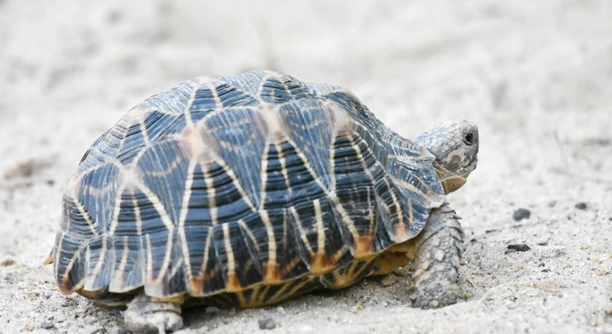
Indian Star Tortoises are known for their beautiful shell patterns and gentle nature. As pet owners, it’s essential to provide them with the right nutrition to ensure their health and well-being.
Feeding your Indian Star Tortoise requires a balanced diet of high-fiber plants, leafy greens, and occasional fruits. Proper feeding practices contribute to their digestive health and prevent common issues like obesity or shell deformities.
In the following sections, we’ll cover some key points to help you feed your tortoise in a way that supports its long-term health and happiness.
Proper Diet for Indian Star Tortoises
Indian Star Tortoises require a diet rich in fiber and low in protein. Their main meals should consist of a variety of grasses, leaves, and other plant-based food sources. Offering a mix of dark leafy greens such as dandelion greens, collard greens, and mustard greens can help provide the necessary vitamins and minerals. Fruits should be offered sparingly, as they are high in sugars, which could lead to obesity.
It is important to avoid feeding them high-protein foods like meat or dairy. Protein overload can lead to kidney damage and other health problems. A diet rich in calcium is also vital for their shell development and overall bone health.
You can also supplement their meals with calcium powder or cuttlebone to ensure they get enough calcium. This helps maintain strong bones and a healthy shell. Always ensure that the food is fresh, as spoiled food could introduce harmful bacteria.
Hydration Needs of Indian Star Tortoises
Hydration is essential for the health of your tortoise. Always provide fresh water for them to drink.
Indian Star Tortoises may not drink much from a water dish, but they should still have one available. A shallow dish is recommended, and you may find that they soak themselves in it, which helps with hydration and proper digestion. Keep the water dish clean and replace it frequently. Additionally, misting your tortoise with water helps keep their skin hydrated and encourages them to drink more. However, avoid over-wetting their enclosure, as excessive moisture can cause respiratory issues.
Foods to Avoid for Indian Star Tortoises
Indian Star Tortoises should not be fed foods high in oxalates, such as spinach, as they can interfere with calcium absorption. Avoid feeding them processed foods, meats, and anything too fatty. These can cause digestive issues and impact their overall health.
Tortoises also cannot tolerate certain foods like onions, garlic, or lettuce, which can cause serious health problems, including upset stomachs or kidney issues. High-fat foods like avocado should also be completely avoided, as they are toxic to many reptiles. Stick to leafy greens, grasses, and safe fruits to ensure they stay healthy.
Another common mistake is offering too many fruits or sugary foods. These can lead to obesity and impact your tortoise’s digestive system. It’s best to feed them a balanced mix of fiber-rich plants and occasional fruits as a treat. Overfeeding fruits, especially high-sugar ones, can also lead to diarrhea and other gastrointestinal issues.
Vitamin and Mineral Supplements
While a good diet should cover most nutritional needs, supplementing with vitamins and minerals is sometimes necessary.
Calcium is one of the most important supplements for your tortoise. Calcium powder can be sprinkled on their food, ensuring they get enough for proper shell and bone development. It’s essential to use a calcium supplement that also includes vitamin D3, which aids in calcium absorption.
It’s also recommended to offer a multivitamin supplement if you notice that your tortoise is not eating a varied diet. However, too many vitamins or minerals can cause imbalances, so be cautious. If in doubt, consult a vet to ensure you are supplementing appropriately. Adding fresh, diverse plants to their diet will also naturally provide essential nutrients.
Importance of Variety in Their Diet
A varied diet helps meet the nutritional needs of your Indian Star Tortoise. Offering a mix of different greens and plants ensures they get a range of vitamins and minerals. Rotating their food will also keep them interested in their meals.
By providing different types of greens and occasional flowers like hibiscus or dandelions, you can prevent boredom and promote better digestion. This diversity ensures your tortoise receives the right balance of nutrients to thrive. Remember, different foods also help in preventing nutrient deficiencies that could lead to health problems.
Frequency of Feeding
Indian Star Tortoises typically need to be fed every other day or three to four times a week, depending on their age and size.
Overfeeding them can lead to obesity, so it’s essential to avoid offering food every day. Young tortoises need more food for growth, while adults eat less frequently. Monitoring their weight and overall health will help determine the right feeding schedule for them.
Supplements for Hydration
Occasionally, you can use hydration supplements if your tortoise is not drinking enough water.
These supplements can help with hydration and improve digestion. However, always ensure your tortoise has access to fresh water regularly, as supplements should not replace proper hydration from drinking.
FAQ
What is the best diet for an Indian Star Tortoise?
The best diet for an Indian Star Tortoise includes a variety of grasses, leafy greens, and high-fiber plants. You can offer them dandelion greens, collard greens, and mustard greens. They can also eat flowers like hibiscus and dandelions. Fruits should only be offered occasionally as a treat, as they contain sugars that can cause health issues if fed too frequently. It’s important to avoid high-protein foods like meat or dairy, as these can lead to kidney damage.
Can I feed my Indian Star Tortoise fruits?
Fruits can be offered but should be given in moderation. Fruits such as papaya, melons, and berries can be a tasty treat, but they are high in sugar and water content, which can cause diarrhea or obesity if fed too often. Limit fruit intake to no more than once a week to ensure a balanced diet. Always remove any leftover fruit to prevent spoilage.
How often should I feed my Indian Star Tortoise?
Adult Indian Star Tortoises should be fed every other day or about three to four times a week. Younger tortoises, who are still growing, may require daily feeding. It’s important not to overfeed them, as it can lead to obesity. Always monitor their weight and adjust the feeding schedule accordingly. A proper feeding routine helps maintain their health and prevents potential digestive issues.
Can Indian Star Tortoises eat lettuce?
Lettuce, especially iceberg lettuce, is not a good choice for Indian Star Tortoises. It lacks nutritional value and can cause diarrhea. Dark leafy greens like kale, dandelion greens, and collard greens are much better options. If you do feed lettuce, make sure it is dark, nutritious types like romaine, but always in small quantities.
Is it necessary to give supplements to my Indian Star Tortoise?
Yes, supplements are essential for your tortoise’s health. Calcium is particularly important for shell and bone development. A calcium supplement with vitamin D3 should be sprinkled over their food. You may also consider a multivitamin supplement if their diet lacks variety. However, be cautious with supplementation, as too many vitamins can lead to health issues. Always consult a veterinarian if you are unsure about what to use.
How much water does an Indian Star Tortoise need?
Indian Star Tortoises need constant access to fresh water for hydration. They may not drink often from a bowl, but they should always have one available. Some tortoises prefer to soak themselves in water, which helps them stay hydrated. It’s important to change the water regularly to keep it clean. If your tortoise isn’t drinking much, you can mist them with water to encourage hydration.
Can Indian Star Tortoises eat flowers?
Yes, many flowers are safe for your Indian Star Tortoise to eat. Dandelions, hibiscus, and geraniums are great choices. Just make sure the flowers are pesticide-free and have not been treated with any chemicals. Offering a variety of flowers can add diversity to their diet and provide extra vitamins. Always check if the flowers you plan to feed them are safe and non-toxic.
What should I do if my tortoise refuses to eat?
If your tortoise isn’t eating, there could be several reasons. It could be due to stress, illness, or incorrect temperature in their habitat. Check their environment to ensure they have the right temperature and humidity. If the refusal to eat continues, it’s best to consult a veterinarian to rule out any health issues. Sometimes offering different food varieties or soaking them in water might help encourage eating.
Can I feed my tortoise commercial tortoise food?
Commercial tortoise food can be used as a supplement but should not replace a natural diet of fresh plants and greens. Many commercial foods are high in protein, which is not suitable for Indian Star Tortoises. Always read the labels and ensure that the food is designed specifically for herbivorous tortoises. Fresh, natural food is always the best choice for long-term health.
What temperature should I keep my Indian Star Tortoise’s habitat?
The temperature in your tortoise’s habitat is critical for their health. During the day, the temperature should range between 85-90°F (29-32°C) in the basking area and around 75-80°F (24-27°C) in the cooler areas. At night, the temperature can drop to about 70°F (21°C). Use a heat lamp to maintain the proper temperature, and avoid extreme temperature fluctuations that could stress your tortoise.
Is it safe to keep my Indian Star Tortoise outside?
Indian Star Tortoises can be kept outside if you live in a warm climate with proper fencing to keep them safe. They need a secure outdoor enclosure with access to shade and water. The enclosure should be escape-proof, as tortoises are good at finding ways out. If the weather is too cold, it’s best to bring them indoors to ensure they stay healthy. Always monitor their behavior when kept outside to ensure they are not stressed or in danger.
Final Thoughts
Caring for an Indian Star Tortoise can be a rewarding experience, but it does require attention and commitment. These tortoises have specific dietary and environmental needs that must be met in order to ensure their health and well-being. By providing a balanced diet of leafy greens, occasional fruits, and supplements like calcium powder, you can help your tortoise thrive. It’s also important to create a proper living environment with the right temperature, humidity, and space for them to move around.
Feeding your tortoise a varied diet is crucial. Offering a mix of different plants, grasses, and flowers will not only provide the necessary nutrients but also keep your tortoise engaged. It’s important to avoid certain foods like high-protein items, lettuce, and too many fruits, which can cause health problems if fed too often. Always remember that variety is key to a healthy diet, and overfeeding should be avoided to prevent obesity or digestive issues.
Lastly, proper hydration and regular vet check-ups are just as important as diet. Ensuring your tortoise has fresh water available at all times and occasionally misting them will help maintain hydration. It’s also a good idea to supplement their diet with vitamins and minerals if needed. By maintaining a clean and safe habitat and regularly monitoring their health, your Indian Star Tortoise can enjoy a long, healthy life. Keep their needs in mind, and they’ll reward you with years of companionship and beauty.

Hello,
If you enjoy the content that we create, please consider saying a "Thank You!" by leaving a tip.
Every little bit helps us continue crafting quality advice that supports the health, happiness, and well-being of pets around the world, for pets of all shapes, sizes, and species.
We really appreciate the kindness and support that you show us!