
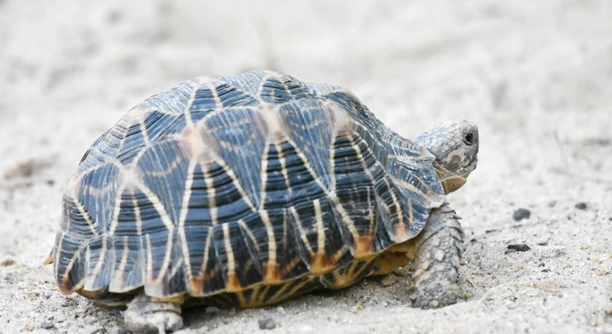
Are your Indian Star Tortoises showing signs of illness, making you worry about their health and well-being? These beautiful reptiles require special care, and recognizing common health issues early can help keep them happy and thriving.
Indian Star Tortoises commonly suffer from respiratory infections, shell rot, metabolic bone disease, parasites, dehydration, and eye infections. These issues often stem from improper husbandry, poor diet, or inadequate humidity. Addressing these factors is key to preventing and treating these health concerns effectively.
Understanding these health problems can make a big difference in your tortoise’s life. With proper knowledge and care, you can help your pet stay healthy and avoid unnecessary complications.
Respiratory Infections
Respiratory infections are common in Indian Star Tortoises, often caused by low temperatures, poor humidity, or dirty enclosures. Signs include wheezing, nasal discharge, open-mouth breathing, and lethargy. If untreated, these infections can worsen, leading to pneumonia. Proper habitat conditions and early treatment are essential for recovery and long-term health.
A vet visit is necessary if your tortoise shows signs of a respiratory infection. Antibiotics may be required, but you can help by keeping the enclosure warm and ensuring proper humidity levels. Clean the habitat regularly to reduce bacteria that may contribute to infections.
Prevention is key to keeping your tortoise healthy. Maintain a warm environment with temperatures between 85–95°F and a basking spot around 100°F. Humidity should stay around 60–80%. Use a hygrometer to monitor levels and mist the enclosure if needed. Keeping their home clean and stress-free also helps prevent illness.
Shell Rot
Shell rot happens when bacteria or fungi infect damaged areas of a tortoise’s shell. It appears as soft, discolored patches, often with a foul smell. If left untreated, the infection can spread and cause serious health problems.
To treat shell rot, clean the affected area with an antiseptic like Betadine and keep the shell dry. Apply an antibacterial or antifungal ointment as recommended by a vet. If the infection is severe, oral antibiotics may be necessary. Make sure your tortoise’s enclosure is dry and clean to prevent further issues.
A proper habitat helps prevent shell rot. Avoid keeping your tortoise on damp bedding for long periods, as excessive moisture encourages bacterial growth. Use a substrate that drains well and provides a dry basking area. Regularly inspect their shell for cracks or soft spots, addressing any injuries promptly. Good nutrition, including calcium and vitamin D3, also supports a strong, healthy shell.
Metabolic Bone Disease
Metabolic Bone Disease (MBD) happens when a tortoise lacks calcium, vitamin D3, or proper UVB exposure. Weak shells, soft bones, and difficulty walking are common signs. If untreated, MBD can lead to fractures, deformities, and severe pain. Proper diet and lighting are essential for preventing this condition.
A balanced diet rich in calcium is crucial. Offer calcium-rich greens like collard and mustard greens while avoiding phosphorus-heavy foods. Sprinkle calcium powder on their food a few times a week. UVB lighting is just as important—without it, they cannot process calcium properly. Ensure your tortoise gets at least 10–12 hours of UVB exposure daily.
If MBD develops, veterinary care is necessary. A vet may prescribe calcium supplements or injections to correct deficiencies. Strengthening their bones takes time, so consistent care is key. Providing a natural outdoor basking area with unfiltered sunlight can greatly help in reversing mild cases.
Parasites
Parasites can cause weight loss, diarrhea, lethargy, and loss of appetite. Internal parasites, like worms and protozoa, live in the intestines, while external parasites, such as mites and ticks, irritate the skin. Parasites spread through contaminated food, water, or contact with other infected animals. Regular checkups help catch infestations early.
A vet can perform fecal tests to diagnose internal parasites. Treatment usually involves oral dewormers, which must be given under veterinary supervision. If mites or ticks are present, soak your tortoise in warm water to help remove them, then apply a reptile-safe treatment. A clean enclosure reduces the risk of reinfestation.
Preventing parasites is easier than treating them. Always provide fresh, clean water and avoid feeding wild plants that may carry parasites. Quarantine new tortoises before introducing them to others. Keep the habitat dry and well-ventilated, as damp conditions encourage parasite growth. Routine vet visits ensure early detection and treatment.
Dehydration
Dehydration leads to sunken eyes, dry skin, loss of appetite, and lethargy. Without enough water, digestion slows down, and the risk of kidney problems increases. Soaking your tortoise in shallow, lukewarm water a few times a week helps maintain proper hydration levels.
A diet rich in fresh greens with high water content, like dandelion and hibiscus leaves, supports hydration. Always provide clean, fresh water in a shallow dish. If the enclosure is too dry, misting can help, but avoid excessive moisture that could cause respiratory issues.
Eye Infections
Eye infections cause swelling, discharge, and difficulty opening the eyes. Dusty bedding, poor hygiene, or vitamin A deficiency are common triggers. A vet may prescribe antibiotic drops or ointments, but keeping the habitat clean and ensuring a balanced diet prevents most infections.
Conclusion
Eye infections can often be prevented by using clean, dust-free substrate and providing vitamin A-rich foods like carrots and squash.
FAQ
What temperature should I keep my Indian Star Tortoise’s enclosure?
Your tortoise’s habitat should be kept between 85°F and 95°F during the day, with a basking spot reaching around 100°F. At night, the temperature can drop to around 70°F to 75°F. Use a reliable thermometer to monitor temperatures consistently, and make adjustments as needed to ensure your tortoise stays comfortable and healthy.
How often should I feed my Indian Star Tortoise?
Feed your tortoise daily when they are young and every other day when they are older. Provide a variety of leafy greens, flowers, and grasses. Avoid feeding them fruits too often, as these can upset their digestion. Offer fresh food daily, removing any leftovers to prevent bacterial growth.
Can I give my tortoise fruits?
Fruits can be given occasionally but should not be a large part of their diet. Too much sugar can cause digestive issues and disrupt the balance of nutrients. Offer fruits like melon, papaya, and berries once or twice a week as a treat, but keep greens as the main part of their diet.
How do I prevent shell rot?
Shell rot can be prevented by maintaining a dry, clean enclosure and avoiding excess moisture. Ensure your tortoise has a dry basking area and a separate, dry hiding spot. Always clean your tortoise’s shell carefully if it becomes dirty, and avoid letting them sit in damp or dirty conditions.
Why is my tortoise not eating?
If your tortoise is not eating, it could be due to a variety of reasons, such as improper temperature, stress, or illness. Check if the enclosure is too cold or too hot, as this can reduce their appetite. If the problem persists, a vet check-up is necessary to rule out health concerns.
How can I tell if my tortoise is dehydrated?
Signs of dehydration in your tortoise include sunken eyes, dry skin, lethargy, and a lack of appetite. You can help by soaking your tortoise in shallow, lukewarm water for 20 to 30 minutes a few times a week. Always make sure fresh water is available and accessible at all times.
What type of substrate is best for an Indian Star Tortoise?
A good substrate is one that is easy to clean and provides proper humidity. Avoid using substrates that are too dusty, like sand or gravel. Opt for coconut coir, organic soil, or a mixture of these. Ensure the substrate is deep enough for your tortoise to burrow, and keep it dry.
Can I keep more than one tortoise together?
Indian Star Tortoises are generally solitary creatures, and housing multiple tortoises together can lead to aggression and stress. If you decide to keep more than one, ensure there is plenty of space, and monitor them closely to prevent fighting. It’s often safer to keep them in separate enclosures.
How do I provide UVB lighting for my tortoise?
UVB lighting is essential for your tortoise to properly absorb calcium and maintain strong bones. Use a UVB bulb designed for reptiles, and place it within 12 to 18 inches of the basking area. Replace the bulb every 6 to 12 months, as its effectiveness decreases over time.
How do I know if my tortoise has a respiratory infection?
Signs of a respiratory infection in your tortoise include wheezing, nasal discharge, and open-mouth breathing. They may also become lethargic and have a reduced appetite. If you notice any of these symptoms, it’s important to consult a vet as respiratory infections can become severe if not treated promptly.
What should I do if my tortoise has parasites?
If your tortoise has parasites, a vet will likely need to perform a fecal test to identify the type. Treatment typically involves deworming medication or other antiparasitic drugs. It’s essential to keep the habitat clean, remove any contaminated food, and ensure proper hygiene to prevent reinfestation.
Can my tortoise get sunburned?
Yes, your tortoise can get sunburned if exposed to direct sunlight for too long without proper shade. Provide both sunny and shaded areas in their outdoor habitat and allow them to choose where to bask. When indoors, UVB lighting should be used to simulate sunlight and provide adequate exposure.
Why is my tortoise’s shell turning yellow?
A yellowing shell may indicate a variety of issues, including poor diet or insufficient UVB exposure. Ensure your tortoise is eating a balanced diet, rich in calcium and vitamin D3, and getting enough UVB light. If the yellowing persists, it’s a good idea to consult with a vet.
How do I treat eye infections in my tortoise?
Eye infections in tortoises are typically caused by dust, poor hygiene, or vitamin A deficiency. Clean the eyes gently with saline solution, and if the infection persists, use a reptile-safe antibiotic ointment as recommended by your vet. Ensure the enclosure is kept dust-free and provide vitamin A-rich foods like carrots.
How can I improve my tortoise’s diet?
To improve your tortoise’s diet, offer a variety of leafy greens, such as collard greens, dandelion greens, and mustard greens. Include flowers like hibiscus or dandelions and grasses such as Timothy hay. Avoid feeding them high-protein foods, like lettuce, and avoid too much fruit, which can cause digestive issues.
How do I prevent my tortoise from getting sick?
To prevent sickness, maintain a proper environment with the right temperature, humidity, and UVB lighting. Keep their enclosure clean, offer a varied and nutritious diet, and provide fresh water daily. Regular vet check-ups and monitoring your tortoise’s behavior can also help catch health problems early.
Can Indian Star Tortoises live outside?
Yes, Indian Star Tortoises can live outdoors in suitable climates. They need an enclosure with plenty of space to roam, areas to bask, and shelter to hide from extreme temperatures. Ensure the habitat is secure to prevent predators from getting in, and make sure it provides proper shade and hydration.
Taking care of an Indian Star Tortoise involves more than just feeding them and keeping their enclosure clean. These tortoises require a specific environment to thrive, which includes the right temperature, humidity, and proper lighting. Ensuring that their diet is well-balanced and providing them with the necessary nutrients like calcium and vitamin D3 is also vital for their health. A little extra attention to detail can make a significant difference in preventing common health issues like respiratory infections, shell rot, and metabolic bone disease.
Health problems in tortoises can often be prevented with good husbandry practices. Monitoring the conditions of their habitat regularly, such as ensuring that temperatures are consistent and the humidity levels are ideal, can prevent many health issues. Regularly cleaning their enclosure, providing fresh water, and offering a variety of nutritious foods will also keep them in good shape. In case health problems arise, prompt attention and a visit to the vet can make all the difference in avoiding long-term complications.
Caring for an Indian Star Tortoise requires patience and dedication. By being mindful of their specific needs and staying informed about common health issues, you can help your tortoise live a long and healthy life. Proper care not only benefits your tortoise’s health but also allows them to feel comfortable in their environment. Remember that even small changes in their diet or habitat can have lasting effects, so it’s essential to monitor their well-being regularly. By providing the best possible care, you ensure your tortoise enjoys a happy and active life.

Hello,
If you enjoy the content that we create, please consider saying a "Thank You!" by leaving a tip.
Every little bit helps us continue crafting quality advice that supports the health, happiness, and well-being of pets around the world, for pets of all shapes, sizes, and species.
We really appreciate the kindness and support that you show us!