
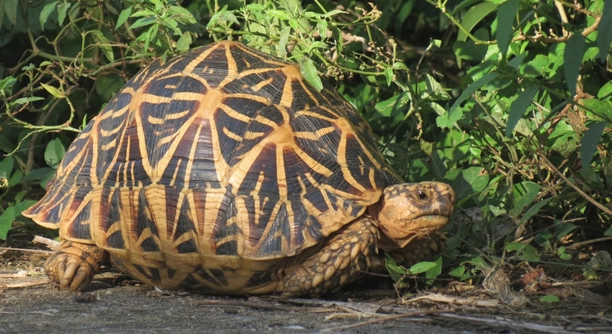
Introducing a new Indian Star Tortoise to your tank can be exciting, but it also requires careful preparation. Ensuring that the introduction goes smoothly will help maintain a healthy environment for both your new tortoise and any existing ones.
The safest way to introduce a new Indian Star Tortoise to your tank is by first quarantining the new tortoise. This minimizes the risk of transferring potential diseases. Gradually introducing the new tortoise to the tank helps reduce stress for both animals.
This guide will provide you with the steps necessary for a successful and stress-free introduction, ensuring the well-being of all your reptiles.
Preparing the Tank Before Introducing Your New Tortoise
Before introducing a new tortoise, it’s important to prepare the tank. The tank should be spacious enough to accommodate both the new and existing tortoises. Make sure there is ample space for each tortoise to have its own area to explore, feed, and hide. Having separate basking spots and hiding spaces reduces stress and prevents territorial behavior.
Clean the tank thoroughly before introducing the new tortoise. Remove any waste, debris, and old food. Reorganize the tank, ensuring that all accessories and furniture are stable and safe. It’s also a good idea to check the temperature, humidity, and lighting to ensure they meet the needs of the species.
Providing a clean, comfortable environment helps the tortoises feel secure and allows them to adjust more easily. Maintaining the tank’s temperature and humidity within the appropriate ranges ensures their health is supported. Keeping the tank tidy also limits the risk of bacteria or disease transfer.
Quarantining the New Tortoise
Before you bring the new tortoise into the main tank, quarantine it for at least two to three weeks. This ensures that any potential illnesses don’t spread to your existing tortoises. The quarantine process gives you the chance to observe the new tortoise for any signs of illness.
During quarantine, provide a separate, clean tank for the new tortoise. Make sure the tank is equipped with proper lighting, heating, and food, just as you would for the main tank. Keep the quarantined tortoise away from your other reptiles to avoid cross-contamination.
By quarantining, you can identify health issues early and address them without risking the health of your existing tortoises. It also allows the new tortoise time to settle in, reducing the chances of it feeling stressed when it’s eventually introduced to the main tank. This step is crucial to ensure the safety and well-being of your pets.
Gradual Introduction to the Main Tank
After quarantine, the time comes for the gradual introduction of your new tortoise. Start by allowing them to see each other through a divider or separate enclosures within the same tank. This helps both tortoises become familiar with each other’s presence without direct contact. Allow them to observe each other for a few days.
Once both seem calm and have adjusted to each other’s presence, you can remove the divider for short periods. Keep a close eye on their interactions during this phase. If there’s any aggressive behavior or stress, separate them again and give them more time to get used to each other.
Always monitor the tortoises after the introduction to ensure the process goes smoothly. If the new tortoise seems too stressed, provide it with some time in a separate space. Be patient and let them adjust at their own pace.
Observing Behavior Post-Introduction
After introducing the new tortoise, it’s crucial to observe their behavior closely. Pay attention to any signs of aggression or stress, such as chasing, biting, or hiding. If you notice any of these behaviors, consider separating the tortoises for a while and reintroducing them later.
Both tortoises may show signs of anxiety in the first few days. It’s normal for them to take time adjusting to each other. Be sure to keep an eye on their eating habits, as stress can affect their appetite. If necessary, offer food in separate areas to avoid competition.
Once both tortoises are eating well, engaging with each other calmly, and exploring their shared environment without aggression, you can consider the introduction a success. Continue monitoring their behavior to ensure a peaceful and healthy environment for both reptiles.
Understanding Territorial Behavior
Tortoises are naturally territorial creatures, especially when they are introduced to a new environment. They may become defensive over their space, food, and basking spots. It’s important to be mindful of this behavior when bringing a new tortoise into the tank.
When tortoises are placed together in a shared tank, they may display territorial behavior such as chasing, hissing, or attempting to dominate each other. This behavior is normal but can lead to stress and potential injury if not managed properly. Providing ample space, separate feeding areas, and hiding spots can help reduce these tensions.
If you notice aggression, it’s best to remove one tortoise from the tank temporarily. Allow both tortoises time to adjust before trying again. Reintroduce them slowly to avoid overwhelming either one. Monitoring their behavior closely during this phase ensures a safer and smoother transition for both tortoises.
Feeding After Introduction
When introducing a new tortoise to the tank, food can become a point of tension. To prevent competition, it’s a good idea to provide separate feeding areas for each tortoise. This gives them space to eat without feeling threatened.
Offer food in different parts of the tank and ensure that each tortoise has easy access. This way, they can both feed comfortably, without interference. It’s essential to make sure each tortoise is eating enough, especially the new one, as stress can impact their appetite. Keep track of their food intake and adjust portions if necessary.
If one tortoise seems to dominate the feeding area, separate the tortoises and provide food in different tanks for a short period. This allows both to eat and reduces the possibility of aggression over food. Gradually, they may learn to share food more peacefully as they become more comfortable with each other.
Health Monitoring
After introducing your new tortoise, it’s essential to keep a close eye on their health. Watch for any signs of illness, such as a lack of appetite, lethargy, or abnormal behavior. Catching problems early can prevent them from spreading.
Ensure both tortoises are eating properly and are active in their tank. If you notice any signs of stress, such as excessive hiding or fighting, separate them and give them time to adjust. Regularly checking the condition of their shell, eyes, and skin will also help detect any potential issues.
Consistent observation allows you to address any health problems before they escalate. Keep an eye on both tortoises for changes in behavior or appearance, especially in the first few weeks after the introduction.
Tank Maintenance
Maintaining a clean and healthy tank environment is crucial for the well-being of both tortoises. Regular cleaning helps reduce the risk of bacteria or parasites spreading, which can be harmful to the tortoises.
Perform routine maintenance, such as cleaning the tank substrate, replacing the water, and wiping down surfaces to remove waste. Regularly check the lighting and heating elements to ensure they’re functioning properly. Proper tank hygiene is especially important during the introduction period when both tortoises are adjusting to each other.
Patience and Adjustment
The introduction process may take some time. Both tortoises may need time to adapt to each other and the new environment. Patience is key during this phase. Avoid rushing or forcing interactions. Let the tortoises adjust at their own pace.
FAQ
What should I do if my tortoises are fighting after being introduced?
If your tortoises are fighting, it’s important to separate them immediately to prevent injuries. Fighting is often due to territorial behavior. Let them have time apart and then try reintroducing them slowly. Make sure there are enough hiding spots and feeding areas for each tortoise to feel safe and avoid conflict. It may take several attempts before they are comfortable together, so patience is crucial.
How long should I quarantine the new tortoise before introducing it to the tank?
Quarantine the new tortoise for at least 2 to 3 weeks. This period allows you to observe any signs of illness or stress before introducing them to the main tank. It also gives the new tortoise time to adjust to its new environment without the risk of spreading potential diseases to your existing tortoises.
Can I introduce a new tortoise to a tank with other species?
Introducing a new tortoise to a tank with other species can be tricky. Different species may have different care needs, behaviors, and diets. It’s best to ensure they are compatible in terms of size, temperature requirements, and temperament. Always observe closely for signs of aggression or stress between species. If necessary, separate them to avoid conflicts or stress.
Should I adjust the temperature or humidity when adding a new tortoise?
It’s important to check the temperature and humidity levels before introducing the new tortoise. Make sure the tank conditions are suitable for both tortoises. While Indian Star Tortoises prefer a warm, dry environment, make sure there are areas with appropriate humidity and temperature for each tortoise’s needs. Regularly monitor the conditions to ensure they remain stable.
What if my new tortoise isn’t eating after the introduction?
If your new tortoise isn’t eating after being introduced, it’s often due to stress or a change in environment. Ensure the tank has enough hiding spots and basking areas to help reduce anxiety. Keep the tank at the right temperature and humidity, as this can also affect their appetite. If the issue persists for more than a few days, it may be worth consulting a vet to rule out any health problems.
How can I reduce stress for the new tortoise during introduction?
To reduce stress, make sure the tank is well-equipped with plenty of hiding spots, basking areas, and food sources. Introduce the tortoises gradually, starting with visual contact through a barrier. Allow them time to adjust before removing the barrier. Avoid overcrowding, and ensure both tortoises have their own space. Keep the tank conditions stable and avoid sudden changes in temperature or lighting.
How do I know if my tortoises are getting along well?
You’ll know your tortoises are getting along if they are calmly sharing the same space without fighting or showing signs of aggression. They may interact by exploring each other’s areas or even basking near one another. However, it’s normal for tortoises to occasionally display some territorial behavior. If there’s no serious aggression or stress, they’re likely adjusting well.
Can I introduce more than one new tortoise at a time?
Introducing multiple new tortoises at once can make the process more complicated. It’s often better to introduce one tortoise at a time to ensure each one has a chance to adjust to the tank and other animals. If introducing more than one, make sure the tank is large enough to provide adequate space and that you can monitor their interactions closely.
How do I prevent the new tortoise from becoming sick after the introduction?
To prevent illness, ensure that the new tortoise is quarantined for a few weeks before introduction to rule out any hidden diseases. After quarantine, closely monitor both tortoises for any signs of illness, such as lethargy or abnormal behavior. Keep the tank clean, and ensure that temperature and humidity levels are maintained properly. Avoid overfeeding and provide a balanced diet to boost their immune system.
What if one of my tortoises seems too shy or stressed after the introduction?
If one of your tortoises is stressed or overly shy after the introduction, consider providing more hiding spots or private areas within the tank. Stress can result from too much direct interaction with the other tortoise, so giving each one their own space is important. Take things slowly and avoid forcing interactions. Sometimes, it may take a few weeks for the tortoises to fully adjust to their new living situation.
Do I need to make any special adjustments to the lighting when introducing a new tortoise?
Lighting is essential for the health and well-being of your tortoises. When introducing a new tortoise, make sure the lighting is appropriate for both animals. UVB lighting is crucial for tortoises to process calcium and maintain shell health. Check that the basking area is warm enough, and ensure both tortoises can access the heat source. Keep the lighting consistent to avoid causing additional stress.
Can I add decorations or plants when introducing a new tortoise?
Adding decorations or plants to the tank can be beneficial, as they provide hiding spots and areas for exploration. However, be cautious of sharp objects or plants that could harm your tortoises. Make sure any plants are safe and non-toxic to tortoises. Decorations should be stable and secure to avoid accidents. Keeping the tank natural with a variety of hiding spots will make both tortoises feel more comfortable.
What if my tortoises are not basking together?
If your tortoises aren’t basking together, it’s likely a sign that they need their own space. Tortoises can be territorial, so it’s important to provide multiple basking areas in the tank. This allows both tortoises to bask without feeling threatened. Over time, they may become more comfortable with each other and start basking near one another. If the issue persists, monitor their behavior and ensure that there’s no aggression around the basking area.
How long should I wait before fully integrating the new tortoise into the main tank?
It’s best to wait until you see no signs of aggression, stress, or health problems before fully integrating the new tortoise into the main tank. This process can take anywhere from a few days to several weeks, depending on the individual tortoises. Be patient and gradually allow them more time together in the tank. Always monitor their interactions carefully during the initial integration phase.
Introducing a new Indian Star Tortoise to your tank requires patience, careful observation, and proper preparation. It’s essential to make sure that both your new and existing tortoises are comfortable and healthy throughout the process. The first step is setting up the tank correctly by ensuring there is enough space, hiding spots, and separate feeding areas. This will help both tortoises feel secure and reduce any potential stress or territorial behavior. It’s important not to rush the process, as it can take time for the animals to adjust to each other.
Quarantining your new tortoise for a few weeks before introducing it to the tank is a vital step in preventing any health issues from spreading. During this time, you can observe your new tortoise for any signs of illness, such as lack of appetite or unusual behavior. By keeping it in a separate space, you are protecting your other tortoises from possible diseases or parasites. After quarantine, you can begin to introduce the new tortoise gradually, allowing them to get familiar with each other from a distance before letting them interact directly. Monitoring their behavior is important during this phase, as aggression or stress could still occur.
Lastly, it’s important to remain patient and give both tortoises time to adjust. There will likely be some initial tension or stress, but with proper care and observation, they should eventually get used to each other. Providing them with their own spaces and making sure they are eating well are key to making the transition easier. If necessary, separate them again and try the introduction at a later time. Remember, every tortoise is unique, and they may take varying amounts of time to feel comfortable together. With careful attention, you can help your new tortoise settle into its new home and ensure a peaceful and healthy environment for all.

Hello,
If you enjoy the content that we create, please consider saying a "Thank You!" by leaving a tip.
Every little bit helps us continue crafting quality advice that supports the health, happiness, and well-being of pets around the world, for pets of all shapes, sizes, and species.
We really appreciate the kindness and support that you show us!