
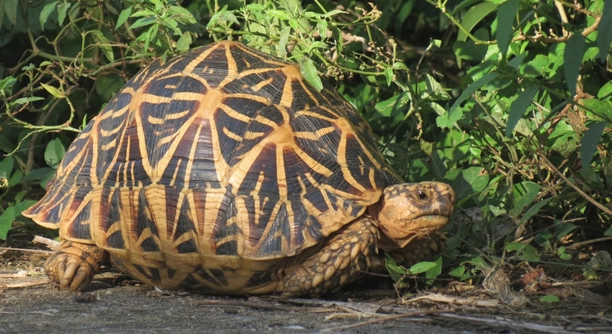
If you have an Indian star tortoise, you may sometimes notice it refusing to eat. This can be concerning, as it’s important for their health to have a steady diet. Understanding the reasons behind this behavior is crucial for providing proper care.
Several factors can cause an Indian star tortoise to stop eating, including environmental stress, improper diet, health issues, or lack of proper habitat. Identifying and addressing the root cause is essential for ensuring the well-being of your tortoise.
By learning about the common reasons behind your tortoise’s lack of appetite, you can take action to help it feel better. We’ll walk you through the possible causes and how to remedy them for a healthy, happy tortoise.
Stress from Environmental Changes
A common reason your tortoise might not be eating is stress. Changes in its environment, such as moving to a new tank, changes in temperature, or noisy surroundings, can affect its appetite. Tortoises are sensitive to their environment, and when it’s not right, they can stop eating. Stress can also be caused by interactions with other pets or frequent handling. The stress response in your tortoise may lead it to retreat into its shell, making it less likely to eat. It’s essential to ensure a calm, stable environment to prevent this behavior.
Proper lighting and temperature are essential for their comfort. Make sure their basking area stays warm, but not too hot, and their enclosure stays clean. If you notice your tortoise acting stressed, adjusting its environment could encourage it to start eating again.
To help your tortoise feel more at ease, keep handling to a minimum and place its enclosure in a quiet area. Consistency is key. Avoid making sudden changes and maintain a peaceful habitat to help reduce stress, leading to better eating habits.
Improper Diet Choices
Your tortoise may not eat if it’s not getting the right food. Indian star tortoises require a diet rich in fiber, such as grasses, leaves, and some vegetables. Offering the wrong types of food, like too much fruit or food high in protein, can cause a loss of appetite. Overfeeding high-protein food can lead to digestive problems, making your tortoise feel unwell and less likely to eat. If you’re unsure about the balance of your tortoise’s diet, consulting with a veterinarian who specializes in reptiles is a good step.
A varied, well-balanced diet is crucial for maintaining your tortoise’s health. Try offering different kinds of leaves and grasses to see what it prefers. Keeping meals fresh and clean will make it more appealing, as tortoises are often more willing to eat when food is in good condition. Avoid overfeeding as well, as this can lead to weight gain and a lack of interest in food.
Health Problems
If your tortoise suddenly stops eating, it could be a sign of a health issue. Common problems like respiratory infections, parasites, or mouth rot can cause a loss of appetite. Look for signs of lethargy, swelling, or discharge around the eyes or nose. If you notice any of these, it’s best to see a vet as soon as possible. Early treatment can prevent more serious health issues from developing.
Dehydration is another common health issue that affects appetite. Tortoises can sometimes refuse food if they’re not getting enough water. Make sure your tortoise has access to fresh water at all times. You can also offer water through soaking them in a shallow dish for 20-30 minutes, as this helps keep them hydrated.
If you suspect any underlying health problems, don’t wait for things to improve on their own. A proper diagnosis and treatment plan from a reptile vet will give your tortoise the best chance at recovery. Addressing health issues early is key to getting your tortoise eating again.
Incorrect Temperature
Your tortoise’s habitat temperature plays a huge role in its appetite. If the basking area is too hot or too cold, it may not feel like eating. Tortoises are cold-blooded and rely on external heat sources to regulate their body temperature. A temperature range between 85-90°F (29-32°C) for the basking area is ideal, with a cooler side around 75°F (24°C).
If the temperature is too low, your tortoise may become sluggish and lose interest in food. On the other hand, high temperatures can cause stress, leading to similar behavior. To avoid this, invest in a good thermometer and heat source to maintain a stable temperature. Keep the basking spot at the recommended level and monitor the overall climate in the enclosure.
When the temperature is just right, your tortoise will feel more active and comfortable. This can help restore its appetite and encourage regular eating habits. Adjusting the temperature might take some time, but once you’ve hit the sweet spot, your tortoise should start eating again.
Overfeeding
Overfeeding can lead to your tortoise refusing food. If it’s consistently given too much, your tortoise might not feel hungry enough to eat. An overeating habit can also cause digestive issues. Stick to a feeding schedule and avoid giving extra treats too often.
It’s important to stick to appropriate portions for your tortoise’s size and age. Adult tortoises, for example, should be fed fewer times a week compared to younger ones. A balanced feeding routine prevents them from becoming overweight, which can lead to other health problems that might reduce appetite.
Lack of Variety
If you feed your tortoise the same food every day, it might start turning its nose up at it. Tortoises, like any pet, can get bored with a repetitive diet. Offer a variety of leafy greens, grasses, and vegetables to keep your tortoise interested in its meals.
Variety is key to keeping your tortoise healthy and engaged with its food. Different plants provide essential nutrients and can keep your tortoise from becoming picky. Experiment with new food options and try offering fresh plants regularly to see what your tortoise enjoys most. This helps to keep mealtime exciting for them.
Age-Related Changes
As tortoises age, their eating habits can change. Older tortoises may become less active and have a slower metabolism, which can lead to less food intake. It’s also possible that their digestive system becomes less efficient over time. Keep an eye on their overall health and consult with a vet if changes in appetite persist.
Age can also affect how your tortoise reacts to food. They might prefer certain textures or types of food as they grow older, and their taste preferences could shift. Make sure the food you’re offering matches their changing needs, ensuring they get the nutrition they require.
FAQ
Why isn’t my Indian star tortoise eating?
There could be several reasons for your tortoise’s lack of appetite. Stress, improper diet, health problems, incorrect temperature, or overfeeding can all cause a tortoise to stop eating. Ensuring the right conditions, offering a balanced diet, and checking for any health issues will help address the problem.
How can I tell if my tortoise is sick?
Signs of illness in a tortoise include lethargy, lack of appetite, swollen eyes, nasal discharge, or wheezing. If your tortoise has difficulty moving or is hiding for long periods, it may be feeling unwell. Any noticeable changes should be taken seriously, and a visit to the vet is advisable.
Is my tortoise dehydrated?
Dehydration can cause a tortoise to stop eating. If you notice your tortoise is not drinking water or seems sluggish, it could be dehydrated. To check, gently press on the skin; if it doesn’t return to normal quickly, this is a sign of dehydration. Soaking your tortoise in a shallow dish of warm water can help with hydration.
What temperature is best for my tortoise?
A proper temperature range is crucial for your tortoise’s health. The basking area should be kept between 85-90°F (29-32°C), while the cooler side of the enclosure should be around 75°F (24°C). If the temperatures are outside of this range, your tortoise may stop eating due to stress or discomfort.
Can I feed my tortoise fruit?
Fruit can be offered occasionally but should not be a regular part of your tortoise’s diet. Too much fruit can cause digestive upset and may lead to an unbalanced diet. Stick to feeding your tortoise leafy greens, grasses, and some vegetables, with fruit as an occasional treat.
How often should I feed my tortoise?
The frequency of feeding depends on the age of your tortoise. Younger tortoises should be fed daily, while adults typically require less food, about every other day. Overfeeding can lead to obesity and digestive problems, so it’s important to follow a feeding schedule that matches your tortoise’s needs.
Can my tortoise be eating too much?
Yes, overfeeding can lead to weight gain and loss of appetite. If your tortoise is being given too much food, especially high-protein foods, it may refuse to eat due to feeling full or uncomfortable. Make sure you are offering the correct portions based on your tortoise’s size and age.
Why is my tortoise eating only certain foods?
Tortoises can be picky eaters, and they may refuse certain foods in favor of others. It’s important to offer a variety of plants, including different types of grasses and leafy greens, to keep your tortoise interested. If it’s avoiding certain foods, try changing them up or offering them in different ways, like cutting them into smaller pieces.
Should I hand-feed my tortoise?
While hand-feeding isn’t necessary, it can help encourage your tortoise to eat if it’s being picky or showing signs of stress. Gently offering food from your hand can create a bond and sometimes help stimulate your tortoise’s appetite. However, do not make hand-feeding a regular habit unless needed, as it can cause your tortoise to become too reliant on this method.
Can my tortoise be stressed from handling?
Yes, excessive handling can cause stress for your tortoise, leading to a loss of appetite. Tortoises need their space and should not be handled too frequently. If your tortoise is acting stressed, reduce handling time and make sure its environment is quiet and calm. Handling should only be done when necessary, like during cleaning or medical care.
What should I do if my tortoise stops eating for an extended period?
If your tortoise refuses to eat for several days, it’s important to look for underlying issues. Check for signs of illness, ensure its habitat is properly set up, and review its diet. If the problem persists, consult with a vet specializing in reptiles to rule out any health issues.
Can I feed my tortoise lettuce?
Certain types of lettuce, like iceberg lettuce, should be avoided because they have low nutritional value and can cause digestive issues. Opt for darker leafy greens, such as romaine lettuce, kale, or dandelion greens, as they provide better nutrients and will keep your tortoise healthy.
What should I do if my tortoise is not eating after hibernation?
After hibernation, your tortoise may take a while to readjust and start eating again. It’s important to make sure the environment is warm enough, as cold temperatures can delay appetite. If your tortoise still refuses food after a few days, it’s a good idea to consult a vet.
Can my tortoise be too cold to eat?
Yes, if your tortoise’s environment is too cold, it may stop eating. As cold-blooded animals, tortoises need warmth to stay active and digest their food properly. Make sure your tortoise has access to a warm basking spot, and adjust the enclosure temperature if necessary.
Is it normal for my tortoise to eat less in the winter?
It’s normal for tortoises to eat less in the winter, especially if they are less active due to cooler temperatures. However, this should not result in a complete loss of appetite. Keep the enclosure warm enough and offer the right foods, and your tortoise should still eat, though in smaller amounts.
How can I improve my tortoise’s appetite?
Improving your tortoise’s appetite can often be as simple as providing the right temperature, food, and a stress-free environment. Make sure it has access to a variety of food, proper lighting, and enough space to roam. If health problems are suspected, consult with a vet for guidance.
Can my tortoise eat dried food?
Dried food should not be the main part of your tortoise’s diet. While some commercially available dried foods may be suitable in moderation, fresh leafy greens and grasses should make up the bulk of its meals. Dried food can lack essential moisture and nutrients, so use it sparingly.
Should I worry if my tortoise is eating less as it ages?
As tortoises age, their metabolism slows, and they may naturally eat less. This can be completely normal, especially if the tortoise is still active and otherwise healthy. However, if appetite loss is accompanied by signs of illness, it’s important to consult with a vet for a proper diagnosis.
Understanding why your Indian star tortoise might not be eating is essential for its well-being. There are various factors to consider, from stress and diet to temperature and health concerns. Tortoises are sensitive creatures, and even small changes in their environment can impact their appetite. It’s important to observe your tortoise carefully, check its habitat, and offer a balanced diet that suits its needs. By addressing any issues early, you can help your tortoise return to its normal eating habits and avoid long-term health problems.
Maintaining a consistent, peaceful environment for your tortoise is crucial. It thrives in stable conditions, so avoid making sudden changes that could stress it out. This includes keeping the temperature in its enclosure within the ideal range and offering food that it enjoys. Providing a variety of leafy greens, grasses, and occasional vegetables will help stimulate its appetite and ensure it’s getting the nutrients it needs. If you’re unsure about the right diet, consulting with a veterinarian who specializes in reptiles can provide helpful guidance.
If your tortoise’s lack of appetite continues despite making changes, it’s important to take further steps. Health problems like infections, dehydration, or digestive issues can cause your tortoise to stop eating. In such cases, a visit to the vet will be necessary for proper treatment. By monitoring your tortoise’s behavior and responding promptly to any changes, you can help keep it healthy and content. Taking proactive steps, such as creating the right environment and diet, will ensure your tortoise thrives for years to come.

Hello,
If you enjoy the content that we create, please consider saying a "Thank You!" by leaving a tip.
Every little bit helps us continue crafting quality advice that supports the health, happiness, and well-being of pets around the world, for pets of all shapes, sizes, and species.
We really appreciate the kindness and support that you show us!