
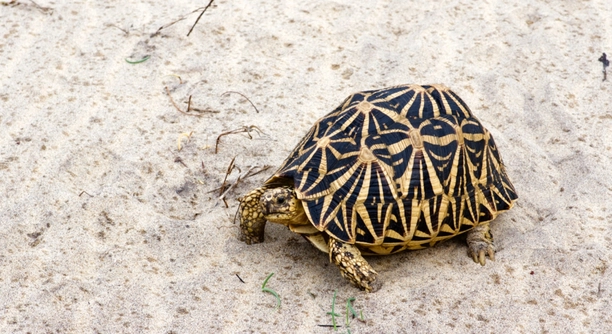
Indian Star Tortoises are beautiful reptiles, but they can be vulnerable to overheating in hot climates. This guide offers simple ways to help protect your tortoise from extreme temperatures.
To prevent overheating, provide a shaded area and ensure access to fresh water. Keep your tortoise in a well-ventilated enclosure, avoiding direct sunlight during peak hours. Regularly monitor the temperature to maintain a safe environment.
Learning how to manage your tortoise’s habitat will ensure it stays comfortable and healthy. The right conditions can make a big difference in its well-being.
Understanding the Risks of Overheating for Your Indian Star Tortoise
Indian Star Tortoises are naturally adapted to warm climates but can struggle in extreme heat. Overheating can lead to stress, dehydration, and even death if not properly managed. These tortoises thrive in temperatures between 80 to 90°F (27 to 32°C), with a slight drop in cooler months. If temperatures exceed this range, they can suffer from heatstroke, a condition that can severely damage their health.
Creating a balanced environment is essential. Even though these tortoises can handle warmth, extreme heat in a poorly ventilated or enclosed space can be dangerous. A comfortable environment helps them thrive, while an overheated one puts them at risk. Pay close attention to changes in the weather, especially during summer, as heat waves can be particularly harmful. It’s crucial to ensure they have access to shaded areas where they can cool off during the hottest times of the day.
To keep your tortoise safe, it is vital to regularly check the temperature and humidity in its habitat. Adjustments may be necessary depending on the weather and season. Make sure they also have access to fresh water at all times to stay hydrated.
Best Practices for Regulating Temperature
Monitoring the temperature is key. Use a thermometer to ensure that their living area is within the proper range.
Make sure that the enclosure has a combination of shaded and sunny areas, allowing the tortoise to regulate its body temperature naturally. You can also provide a cool retreat like a damp hideaway for extra relief. A fan or additional ventilation can help if your home tends to get too hot. During especially warm days, try to move your tortoise to a cooler location or bring it inside.
Maintaining a balanced temperature requires regular adjustments. Overheating isn’t just about the air temperature; humidity levels also play a role. Too much humidity can increase the risk of heat stress. It’s essential to adjust the enclosure accordingly, based on the temperature forecast, so your tortoise remains comfortable. Simple changes can make a huge difference in its overall health and comfort.
Shaded Areas and Proper Shelter
Ensure your tortoise has access to a shaded area throughout the day. This will give it a place to retreat when temperatures rise.
A simple way to provide shade is by using plants, rocks, or a shelter made from materials that block direct sunlight. This allows your tortoise to regulate its body temperature and rest in comfort. Remember, it’s not just about creating a shaded area but also making sure it’s large enough for the tortoise to move around freely. The shade should be placed away from heat sources to keep it cool.
Additionally, consider using a small, natural shelter or hide where your tortoise can cool down if it gets too hot. The hide should be dry, well-ventilated, and not exposed to direct sunlight. Creating a cool, calm environment ensures your tortoise has the space it needs to feel safe and avoid heat stress.
Using Water to Prevent Overheating
Water is an essential tool to help regulate your tortoise’s body temperature. Provide fresh, clean water at all times.
A shallow water dish can be used for drinking, but also place a shallow pool where your tortoise can soak. This helps it cool off when it feels too hot. The water should be changed regularly to prevent contamination, and it should be shallow enough for the tortoise to climb in and out easily. Never leave standing water in direct sunlight as it can become too warm.
Consider placing the water dish in a shaded area to ensure that it stays cool. A small water bath can help the tortoise cool down naturally. Keep a close eye on your tortoise’s behavior as it may indicate that it is too hot or dehydrated. A well-hydrated tortoise is far less likely to experience heat stress.
Ventilation and Airflow
Proper ventilation is crucial to prevent overheating. Ensure your tortoise’s enclosure is well-ventilated, especially during hot months.
A well-ventilated space allows hot air to escape and cool air to enter, helping regulate temperature. If the enclosure is too airtight, it can trap heat, creating an unsafe environment. Keep airflow steady by using mesh or wire to allow air circulation while keeping the tortoise secure. Good ventilation keeps the space fresh and reduces the chances of heat buildup.
Monitoring Temperature Regularly
Use a thermometer to monitor the temperature in your tortoise’s habitat. This helps you stay ahead of any temperature issues.
Check the temperature regularly throughout the day, especially during peak heat hours. By doing so, you can adjust the environment accordingly, ensuring your tortoise stays comfortable. In hot weather, it’s best to check the temperature at least twice daily.
Avoiding Direct Sunlight During Peak Hours
Direct sunlight can quickly cause your tortoise to overheat, so avoid exposing it to sunlight during the hottest part of the day.
Tortoises can bask in the sun, but when it’s too hot outside, they should stay in shaded areas to avoid overheating. Sun exposure between noon and 3 p.m. can be especially harmful, so make sure they stay cool during this period.
FAQ
How do I know if my tortoise is overheating?
If your tortoise starts to appear lethargic, breathes rapidly, or hides more than usual, it might be a sign of overheating. You may also notice signs like excessive panting, stretching out, or drooling. It’s important to check for these signs, especially during hot weather, to take action quickly and prevent heatstroke.
What temperature should my tortoise’s enclosure be?
The ideal temperature for an Indian Star Tortoise is between 80°F and 90°F (27°C to 32°C). During the day, you should aim for a basking spot that reaches around 95°F (35°C), but make sure to have cooler areas within the enclosure so your tortoise can move around freely. Always check with a thermometer to be sure.
Can I use artificial cooling methods for my tortoise?
While it’s better to rely on natural ventilation and shade, you can use fans or air conditioning if needed. Ensure the air is moving but not blowing directly on the tortoise. This helps maintain a comfortable temperature without causing too much disruption. Avoid using ice or cold packs, as rapid temperature changes can stress your tortoise.
Is it safe to let my tortoise roam outside during summer?
Yes, but only if the weather is appropriate. Ensure your tortoise has access to shaded areas and fresh water at all times. Be mindful of the ground temperature; it can get too hot for their sensitive feet, leading to burns or heat stress. Always supervise your tortoise while it’s outside.
Can I bathe my tortoise to cool it down?
Yes, you can give your tortoise a cool bath to help lower its body temperature. The water should be lukewarm to cool, not too cold. Soak your tortoise for about 10 to 15 minutes. It helps them hydrate while also cooling off. Just make sure the water is shallow enough for your tortoise to easily climb out of.
How do I make sure my tortoise stays hydrated?
Always provide fresh water in a shallow dish that your tortoise can easily access. Consider placing it in a shaded area to keep it cool. During hot weather, make sure to offer a cool water bath or mist your tortoise with water to encourage drinking. Proper hydration is key to preventing heat stress.
What if I don’t have access to air conditioning?
If you don’t have air conditioning, focus on increasing ventilation. You can use fans to circulate air or ensure the room is open and airy. Make use of natural shade like trees or artificial covers to shield your tortoise. You could also move your tortoise to cooler areas in the house or yard during extremely hot days.
Can I leave my tortoise outside in a pen during the night?
It depends on the temperature. If it’s cool at night and the enclosure is secure, it can be safe. Make sure the tortoise has access to a sheltered spot where it can avoid nighttime chill. During warmer months, you can leave them outside, but if temperatures drop, it’s best to bring them inside to ensure they stay warm enough.
How can I make my tortoise’s enclosure cooler during a heatwave?
During a heatwave, you can try placing ice packs near the edges of the enclosure (but not directly in it) to lower the surrounding temperature. Adding extra ventilation, like mesh or small fans, can also help. Make sure the tortoise has access to both shade and cool water, and try to keep the enclosure as cool as possible.
Are there any signs of dehydration I should look for?
Dehydration signs in tortoises include sunken eyes, dry skin, and reduced activity. If your tortoise isn’t drinking or soaking, it may not be getting enough water. Dehydration is serious and can lead to other health problems, so make sure your tortoise always has access to fresh water.
Can I use a heat lamp in my tortoise’s enclosure during hot weather?
Using a heat lamp during hot weather is not usually necessary. In fact, it might make the situation worse by raising the temperature too high. If your tortoise is getting too hot, remove any unnecessary heat sources and rely on natural shade, ventilation, and water to keep it comfortable.
What should I do if I notice my tortoise is overheating?
If you notice your tortoise is overheating, immediately move it to a cooler, shaded area. Offer fresh water and let it cool down gradually. You can soak your tortoise in cool water to help lower its body temperature. If symptoms persist, consider contacting a vet for advice.
Can I use a cooling mat or pad for my tortoise?
Cooling mats or pads designed for pets can be useful for providing a cool surface for your tortoise to lie on. However, make sure it is not too cold, as sudden temperature changes can be stressful. Place the mat in a shaded area where the tortoise can use it as needed.
What’s the best way to cool down my tortoise if I’m not home?
If you’re not home, make sure your tortoise has access to a well-ventilated enclosure and plenty of shade. Leave a shallow water dish or a cooling mat that can help lower its body temperature. If you’re expecting high temperatures, you could move your tortoise to a cooler spot before leaving.
How can I help my tortoise adjust to warmer temperatures?
Gradually expose your tortoise to warmer temperatures, allowing it to adapt. Avoid sudden changes, as they can be stressful. Ensure that your tortoise has access to shaded spots, fresh water, and cool areas in its enclosure so it can regulate its temperature more effectively.
Final Thoughts
Maintaining the right temperature for your Indian Star Tortoise is key to ensuring its health and well-being. While they are native to warm climates, they can still suffer from overheating if exposed to extreme temperatures for long periods. By understanding their needs and making simple adjustments, you can help keep them safe and comfortable. Providing a shaded area, access to clean water, and proper ventilation are some of the most effective ways to protect your tortoise from the harmful effects of heat.
It’s important to regularly monitor the temperature in your tortoise’s habitat, especially during the hotter months. Using a thermometer will allow you to track the temperature and make sure it stays within a safe range. If the environment becomes too hot, your tortoise may show signs of distress such as rapid breathing, lethargy, or excessive panting. In such cases, it’s essential to act quickly by moving them to a cooler space, offering water, or using a cooling method like a shallow water bath. Staying vigilant and aware of the signs of overheating can help you prevent serious health issues.
Caring for your tortoise involves not just providing the right temperature but also ensuring it has a suitable living environment. By paying attention to your tortoise’s behavior and making sure it has access to the resources it needs to stay cool, you can support its long-term health and happiness. Whether you’re using natural shade or artificial cooling methods, it’s crucial to always prioritize the comfort of your tortoise. With the right precautions, you can help your Indian Star Tortoise thrive in any climate.

Hello,
If you enjoy the content that we create, please consider saying a "Thank You!" by leaving a tip.
Every little bit helps us continue crafting quality advice that supports the health, happiness, and well-being of pets around the world, for pets of all shapes, sizes, and species.
We really appreciate the kindness and support that you show us!