
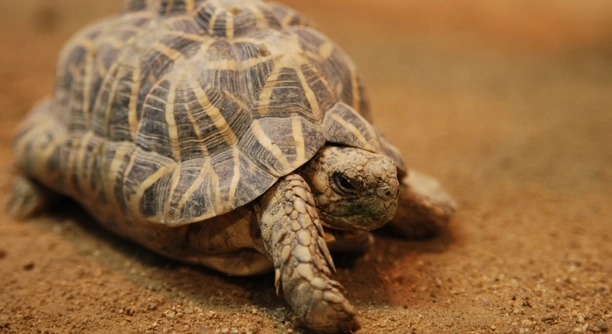
Creating the perfect habitat for your Indian Star Tortoise requires careful planning. From temperature control to space, there are key factors that ensure a comfortable, healthy environment for your pet. Proper habitat setup promotes their well-being.
To create the ideal habitat, focus on providing adequate space, proper temperature, humidity, and lighting. Use a large enclosure with natural elements like rocks and plants. Regularly monitor the environment to maintain optimal conditions for your tortoise.
These steps will help ensure your tortoise thrives, fostering a space where they can feel safe and content.
Choosing the Right Enclosure Size
When setting up an Indian Star Tortoise habitat, the enclosure size is a key factor. A tortoise needs enough space to move around freely and explore. For an adult, a minimum of 4×2 feet of space is recommended. This gives them room to roam and reduces stress.
A cramped space will not only hinder their movement but can also impact their health. An enclosure that’s too small can lead to issues like poor digestion, lack of exercise, and an overall decline in well-being. Larger spaces also allow for the addition of rocks, plants, and hiding spots, creating a more enriching environment.
Ensure your enclosure is equipped with safe barriers. Use sturdy materials like wood or glass to keep your tortoise secure. Keep in mind that tortoises are skilled climbers, so a well-constructed lid or top is essential to prevent escape.
Temperature and Humidity Control
Temperature and humidity levels play a huge role in maintaining a healthy tortoise habitat. Indian Star Tortoises thrive in warm environments, requiring a basking spot around 90°F. The cooler areas of their habitat should range between 70-80°F.
To regulate these conditions, use a reliable heat lamp. This helps create a warm basking area where your tortoise can soak up the heat. Additionally, a thermometer is necessary to monitor the temperature accurately. Avoid extreme fluctuations as these can be harmful.
Humidity is just as important, particularly in maintaining healthy skin and breathing. Aim for humidity levels between 50-60%. You can achieve this by misting the enclosure with water or using a humidifier to maintain consistent moisture.
Substrate Selection
The right substrate is crucial for your tortoise’s comfort and health. Use a blend of sand and soil to mimic their natural environment. Avoid cedar or pine wood shavings, as they can be harmful to reptiles.
A mixture of coconut coir, soil, and sand is an ideal choice. This combination allows your tortoise to burrow and provides necessary moisture retention. It also helps maintain humidity levels, which is important for their well-being. Make sure the substrate is deep enough to allow your tortoise to dig and explore, as this is an essential behavior for them.
Regularly spot clean the substrate to remove waste. Changing the substrate every few months will help prevent odors and keep the habitat hygienic. A clean, dry environment is essential for preventing skin infections and respiratory issues.
Lighting Needs
Proper lighting is critical for your tortoise’s health. They need both UVA and UVB light to aid in vitamin D3 synthesis, which helps them absorb calcium.
Invest in a high-quality UVB bulb to ensure your tortoise gets the necessary light. Replace it regularly, as UVB light weakens over time. Provide a 12-hour light cycle, and make sure the UVB light is within close range of your tortoise’s basking area. This will allow them to soak up the necessary rays to maintain strong bones and overall health.
A basking light is also required to create a hot spot in the enclosure. This provides an area for your tortoise to warm up and digest food properly. The correct light setup helps mimic the natural environment, promoting a healthy, active tortoise.
Hiding Spots
Tortoises need hiding spots to feel secure. Provide places where they can retreat when they feel threatened or stressed. This helps them feel safe and reduces anxiety.
You can use natural materials like rocks or wooden hides. Make sure the hide is large enough for them to turn around but not so large that they feel exposed. Placing these hides in different areas of the enclosure gives them variety and helps mimic their natural environment.
Water Source
A shallow water dish is essential. It allows your tortoise to drink and soak, which is important for hydration and skin health.
Place the water dish in a corner where it won’t be easily soiled by substrate or waste. Ensure it’s shallow enough for your tortoise to climb in and out of safely. Regularly clean the dish to prevent bacteria growth, which can lead to health issues.
Diet Considerations
Feeding your Indian Star Tortoise a proper diet is critical. They thrive on a mix of leafy greens, grasses, and flowers.
Avoid feeding them too much fruit or vegetables high in water content, as this can cause digestive issues. Stick to a varied diet of dandelion greens, clover, and other safe plants. Provide calcium supplements to support healthy shell growth.
FAQ
How often should I feed my Indian Star Tortoise?
Feed your tortoise every other day. They are herbivores, so a diet of leafy greens, grasses, and edible flowers is essential. Fresh food should be given in the morning, and any leftovers should be removed after a few hours to keep the habitat clean. Adjust their diet based on age and activity level.
What size enclosure does my tortoise need?
For an adult Indian Star Tortoise, a minimum of 4×2 feet of space is required. Larger enclosures are always better, as they provide room for movement, hiding spots, and the ability to establish territories. Juvenile tortoises can start in smaller enclosures, but they will need a bigger space as they grow.
Can I keep more than one tortoise in the same enclosure?
It’s possible but requires careful monitoring. Indian Star Tortoises can be territorial, and multiple males in a single enclosure may lead to fights. If you plan to house more than one, ensure the space is large enough to accommodate them and provide plenty of hides and food to reduce aggression.
What temperature should I maintain in the enclosure?
The basking spot should be around 90°F, with the cooler areas ranging from 70-80°F. These temperature gradients allow your tortoise to regulate its body temperature. Use a reliable thermometer to monitor the enclosure and ensure that the temperatures stay consistent.
How much humidity should the habitat have?
Keep the humidity level between 50-60%. If the humidity is too low, your tortoise may suffer from dehydration or skin problems. Mist the enclosure regularly or use a humidity regulator to maintain the right levels. Ensure proper ventilation to prevent mold growth.
What type of substrate should I use for my tortoise’s habitat?
A mix of coconut coir, soil, and sand is ideal. It allows for burrowing, which is a natural behavior for tortoises. Avoid using pine or cedar shavings, as these can be harmful to reptiles. Keep the substrate clean and replace it as needed to prevent buildup of waste.
Do I need to provide UVB lighting?
Yes, UVB lighting is essential for your tortoise’s health. It helps them synthesize vitamin D3, which is necessary for calcium absorption. Use a high-quality UVB bulb, and replace it every 6 months. Ensure the light covers the basking area and stays within the recommended distance from your tortoise.
Can I take my tortoise outside?
Yes, but only if it’s safe. Indian Star Tortoises enjoy the outdoors, and some sunlight is beneficial. Make sure the outdoor area is secure, free of predators, and offers shade. Always supervise your tortoise to prevent escapes or any accidents. Avoid harsh weather conditions like extreme heat or rain.
How do I clean the habitat?
Remove any waste daily to maintain cleanliness. Once a week, clean the entire enclosure, including substrate and decorations. Use mild soap and water to scrub surfaces, and rinse thoroughly to avoid chemical residues. Always replace the substrate as needed to keep your tortoise’s environment fresh and hygienic.
What is the best way to handle my tortoise?
Handle your tortoise gently and infrequently. Too much handling can cause stress. When you do handle it, support its body, and avoid lifting by the tail or legs. Let your tortoise roam freely in a safe, enclosed area to get exercise and explore at their own pace.
What kind of plants can I keep in my tortoise’s habitat?
You can include safe plants such as dandelions, clover, and hibiscus. Avoid toxic plants like aloe, ivy, or daffodils. Always ensure that the plants in your tortoise’s habitat are safe for consumption, as tortoises may eat some of them. Make sure to also provide variety in their diet.
How do I know if my tortoise is sick?
Signs of illness can include loss of appetite, lethargy, shell damage, or difficulty breathing. If your tortoise seems to be exhibiting unusual behavior or symptoms, consult a reptile vet immediately. Early intervention can help ensure your tortoise receives the proper care and treatment.
Can my tortoise live outside year-round?
Indian Star Tortoises are not native to cold climates, so they should not be kept outside during the winter months. If you live in a warmer climate, you can house them outside during the summer, but they will need to be brought inside if temperatures drop below 60°F.
How can I ensure my tortoise gets enough calcium?
To ensure proper shell and bone health, provide a calcium supplement. You can dust their food with calcium powder a few times a week or add a cuttlebone to their enclosure. A proper calcium-to-phosphorus ratio in their diet is essential for long-term health.
Final Thoughts
Creating the perfect habitat for your Indian Star Tortoise is not only about providing a space where they can live, but also ensuring it supports their health and natural behaviors. By focusing on the right enclosure size, temperature, humidity, and diet, you can create an environment that helps them thrive. Tortoises are creatures of habit and prefer a stable environment, so consistency in their care routine is key. Ensuring that they have hiding spots, fresh food, and access to clean water will go a long way in keeping them happy and healthy.
One of the most important aspects of tortoise care is maintaining the proper conditions. These reptiles require UVB light for vitamin D3 synthesis, which is vital for calcium absorption. Without it, your tortoise could develop health problems, such as shell deformities. The temperature gradient within their habitat is also essential. Having a basking area with the correct warmth allows your tortoise to regulate its body temperature and digest food properly. If the habitat is too cold or lacks the proper heat sources, it can lead to stress and health complications. Regular monitoring of these conditions is necessary to avoid any issues.
Finally, it is crucial to keep an eye on your tortoise’s behavior and health. They may not show signs of illness immediately, but subtle changes can indicate underlying problems. A sudden decrease in appetite, lethargy, or changes in the condition of their shell may be signs that something is wrong. Regular cleaning of their habitat and ensuring they have a proper diet can help prevent common issues. If your tortoise shows signs of discomfort or illness, consult a vet to ensure they receive the proper care. A healthy and well-maintained habitat not only enhances their quality of life but also allows you to enjoy the company of your tortoise for many years.

Hello,
If you enjoy the content that we create, please consider saying a "Thank You!" by leaving a tip.
Every little bit helps us continue crafting quality advice that supports the health, happiness, and well-being of pets around the world, for pets of all shapes, sizes, and species.
We really appreciate the kindness and support that you show us!