
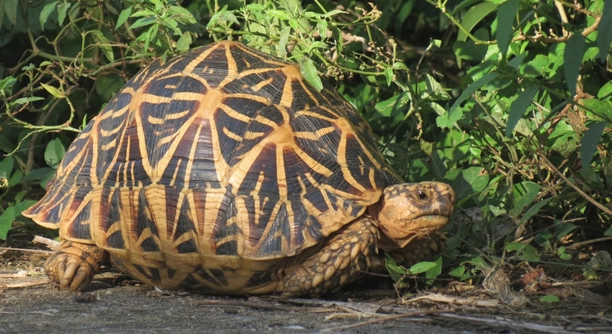
Cleaning your Indian star tortoise is an essential task to ensure its health and well-being. A proper washing routine will help maintain its hygiene and prevent infections. Follow these steps to safely clean your tortoise without causing any stress.
To safely wash an Indian star tortoise, you should prepare lukewarm water, gently scrub its shell and limbs, and use a soft brush to remove dirt. Make sure to avoid using soap or harsh chemicals, as they can harm the tortoise’s skin.
Knowing the right way to wash your tortoise ensures its health and safety. Follow these simple steps for a successful cleaning process.
Preparing the Space and Tools for Cleaning
Before starting, it’s essential to create a calm and safe environment for your tortoise. Ensure you have a clean, flat surface, like a table or countertop, and have the necessary cleaning tools ready. A soft toothbrush or sponge works well for scrubbing. Avoid using harsh materials that could scratch the tortoise’s shell. Prepare a shallow basin or sink filled with lukewarm water. This temperature is most comfortable for the tortoise and won’t cause any distress. Keep your tools clean and sanitized to prevent any risk of infection or contamination.
Make sure your tortoise is calm before beginning the cleaning process. You can use a towel to gently hold it in place if needed.
Cleaning your Indian star tortoise should be a calm, patient process. Be gentle while scrubbing its shell and legs, ensuring you don’t put too much pressure on its delicate skin. Make sure to rinse thoroughly to remove any remaining dirt or debris. After cleaning, carefully dry your tortoise with a soft towel to avoid any moisture buildup that could cause skin issues. Avoid using any soap or chemicals, as these can irritate your tortoise’s sensitive skin. Maintaining the right water temperature and gentle cleaning method will keep your tortoise healthy.
Step-by-Step Washing Process
After preparing the area, it’s time to focus on the actual cleaning process. Begin by carefully placing your tortoise in the lukewarm water. Gently allow it to soak for a few minutes to loosen any dirt. Using a soft-bristled brush or sponge, start cleaning the shell. Be sure to scrub all areas, including the underbelly, without applying excessive force. You can also clean the tortoise’s legs and head with the same soft brush, being careful not to get water into its nose or eyes. Once you finish scrubbing, rinse the tortoise gently with clean water to remove any dirt.
Take extra care to avoid harsh scrubbing or the use of chemicals. The tortoise’s skin can be sensitive, and certain substances may cause irritation. Rinsing thoroughly is key to ensuring that no soap or residue remains on the shell. Always be gentle throughout the cleaning process to make sure the tortoise feels secure and relaxed.
Handling Your Tortoise During Cleaning
While cleaning, always handle your Indian star tortoise with care. Avoid holding it too tightly or squeezing its shell. Gently support its body, making sure not to place undue pressure on its limbs or shell. Keep movements slow and steady to prevent causing stress.
Tortoises are sensitive creatures and may become easily stressed if handled roughly. Be sure to have a soft towel or surface to place it on during cleaning to reduce discomfort. If your tortoise seems agitated, it’s important to pause the cleaning process and allow it time to calm down. By handling it gently, you’ll help it stay relaxed and ensure a more successful cleaning session.
Once the cleaning process is complete, give your tortoise a chance to regain its calm. Gently place it back in its enclosure and avoid any further disturbances. Ensuring that the cleaning environment remains calm is essential for maintaining your tortoise’s well-being.
Post-Cleaning Care
After washing, it’s important to dry your tortoise carefully. Use a soft, absorbent towel to gently pat it dry. Make sure to dry the shell, legs, and head thoroughly to avoid moisture buildup, which can lead to skin issues or infections.
Once your tortoise is dry, ensure it’s returned to a clean and safe environment. Its enclosure should be free of excess moisture, and the humidity levels should be monitored to ensure a comfortable living space. Make sure it has access to fresh water and is free from any remaining dirt or debris. The clean, dry environment will help your tortoise feel comfortable and prevent any possible infections that could arise from residual moisture.
Lastly, take a moment to check for any visible injuries or irritation on your tortoise’s skin. Gently inspect its shell and legs for any abnormalities or signs of injury. If any issues are spotted, seek advice from a vet to ensure your tortoise remains healthy.
Maintaining a Clean Enclosure
After cleaning your tortoise, focus on its living space. Regularly remove any leftover food, waste, or bedding that could harbor bacteria. Keeping the enclosure clean reduces the risk of infections and helps maintain a healthy environment for your tortoise.
Ensure the substrate in the enclosure is dry and free of mold. Replace soiled bedding regularly and disinfect any surfaces your tortoise interacts with. If your tortoise is housed in a tank or a cage, clean it thoroughly once a week to prevent the buildup of dirt and bacteria.
Avoid Over-Bathing
Over-bathing can stress your tortoise and lead to skin issues. Limit bathing to once a week, or when necessary, to avoid drying out its skin. If you notice any signs of dehydration or discomfort, reduce the frequency of baths.
Monitoring Health After Cleaning
Once cleaned, always observe your tortoise for any signs of distress or health changes. Watch for unusual behavior such as a lack of appetite or lethargy. If these symptoms appear, consult a vet for advice on how to proceed.
FAQ
How often should I wash my Indian star tortoise?
Washing your Indian star tortoise should be done once a week or as needed. Over-washing can stress your tortoise and cause skin issues. If the tortoise is visibly dirty or has debris on its shell, a wash is necessary. Always ensure that the cleaning process is gentle to avoid stressing the animal. Keep in mind that a clean environment and proper care can reduce the need for frequent baths.
Can I use soap or shampoo to wash my tortoise?
No, you should never use soap or shampoo to wash your Indian star tortoise. These products contain chemicals that can irritate its skin and damage the shell. Only use lukewarm water and a soft brush or sponge to clean your tortoise. This ensures that no harmful substances come into contact with its sensitive skin.
Is it okay to bathe my tortoise in cold water?
Cold water should be avoided when bathing your tortoise. It can be uncomfortable and stressful for them, leading to health problems. Always use lukewarm water, which is more comfortable for your tortoise and will help it relax. Make sure the water is not too hot either, as it can cause burns. A safe range for water temperature is between 75°F and 85°F (24°C to 29°C).
How do I prevent my tortoise from getting stressed during a bath?
To minimize stress, handle your tortoise gently and calmly. Make sure the bath area is quiet and free from distractions. Gently hold your tortoise without squeezing, and make sure its shell and limbs are well supported. If your tortoise becomes agitated, stop the process and allow it to calm down before continuing.
Can I wash my tortoise with a towel instead of water?
While using a towel to wipe your tortoise down can help remove dirt or debris, it is not a replacement for regular bathing. A bath is necessary to ensure that the tortoise is properly cleaned and hydrated. However, after bathing, you can use a towel to gently dry the tortoise’s body and shell to prevent any moisture buildup, which can lead to skin issues.
What should I do if my tortoise seems uncomfortable during a bath?
If your tortoise shows signs of discomfort, such as trying to escape the bath or closing its eyes tightly, it’s important to stop the bath immediately. Gently remove the tortoise from the water and allow it to rest in a calm environment. If the behavior persists, consult with a vet to make sure there are no underlying health concerns causing discomfort.
Can I use a regular toothbrush to clean my tortoise?
Yes, a regular toothbrush can be used to clean your tortoise, but it must be soft-bristled. Harsh or hard brushes can scratch the shell or irritate the skin. Make sure the toothbrush is clean before use and rinse it thoroughly after each cleaning session. Gently scrub the shell, legs, and head without applying excessive pressure.
How do I know if I’m cleaning my tortoise properly?
Proper cleaning includes gently scrubbing all areas of the shell, legs, and head while avoiding harsh chemicals or too much pressure. After washing, your tortoise should feel clean and dry, without any visible dirt or residue on its body. If your tortoise seems calm and does not show signs of irritation, you are likely cleaning it correctly.
What should I do if my tortoise has shell rot?
If your tortoise shows signs of shell rot, such as soft spots, discoloration, or a foul odor, it’s important to seek veterinary care immediately. Shell rot is a serious condition that requires professional treatment. In the meantime, keep your tortoise in a clean, dry environment to prevent further damage and infection.
Can I use the same water for multiple tortoises?
It’s best to avoid using the same bath water for multiple tortoises. Sharing water can spread bacteria or parasites from one tortoise to another. Always clean the bath area and change the water before using it for another tortoise. This will help keep your tortoises healthy and prevent cross-contamination.
How can I tell if my tortoise is dehydrated?
Signs of dehydration in a tortoise include sunken eyes, dry skin, and lethargy. If your tortoise appears unusually tired or refuses food, dehydration may be the cause. Make sure your tortoise has access to clean water at all times, and consider offering a soak to rehydrate it if necessary. If symptoms persist, consult a vet.
Should I clean my tortoise’s enclosure every time I bathe it?
While you don’t need to clean the entire enclosure after every bath, regular cleaning of the living area is important for overall hygiene. Remove waste, uneaten food, and dirty bedding after each bath to prevent bacteria buildup. A full enclosure cleaning should be done weekly or bi-weekly, depending on how quickly it gets dirty.
How do I clean the shell of my tortoise?
To clean your tortoise’s shell, use a soft brush or sponge and lukewarm water. Gently scrub the shell to remove dirt, algae, or debris. Avoid using soap or harsh chemicals. After cleaning, rinse thoroughly to remove any residue, and dry your tortoise with a soft towel.
Final Thoughts
Caring for an Indian star tortoise involves more than just feeding and providing a proper habitat. It requires regular cleaning to maintain its health and well-being. A clean tortoise is a healthy tortoise, and keeping its shell and skin free from dirt and bacteria is essential. Bathing your tortoise doesn’t need to be complicated, but it should be done carefully to avoid causing any stress or harm. Always use lukewarm water and gentle tools when cleaning, ensuring that your tortoise remains comfortable throughout the process.
Keeping the enclosure clean is just as important as cleaning the tortoise itself. A dirty habitat can lead to various health problems, so removing waste and replacing soiled bedding regularly is a must. Maintaining proper humidity and temperature levels within the enclosure will also help prevent your tortoise from developing skin conditions or other health issues. Regular cleaning of both your tortoise and its environment ensures that it has a safe and healthy living space.
Finally, it’s important to monitor your tortoise after cleaning to ensure that it remains healthy. Pay attention to any signs of distress or discomfort, and seek veterinary care if necessary. By providing the right care and cleaning routine, you can help your Indian star tortoise live a long, happy life.

Hello,
If you enjoy the content that we create, please consider saying a "Thank You!" by leaving a tip.
Every little bit helps us continue crafting quality advice that supports the health, happiness, and well-being of pets around the world, for pets of all shapes, sizes, and species.
We really appreciate the kindness and support that you show us!