
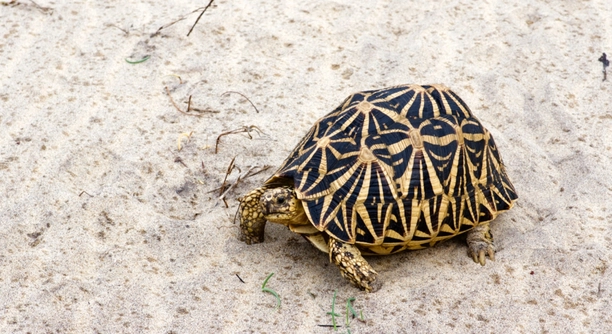
Indian star tortoises are often kept as pets due to their unique beauty and gentle nature. However, getting them to use their hide spots can sometimes be tricky. Understanding their behavior is key to encouraging them to feel comfortable in their environment.
To encourage Indian star tortoises to use their hide spots, ensure their enclosures provide a safe, quiet, and dark space. Place hides in areas away from disturbances and make sure the hides are appropriately sized for their comfort.
By providing the right environment, you can make the hide spots an inviting and essential part of their habitat. Understanding their needs will guide you in making these adjustments.
The Importance of Hide Spots for Indian Star Tortoises
Indian star tortoises need hide spots to feel secure. In the wild, they naturally seek out sheltered places to escape predators and rest. Without proper hiding areas, your pet may become stressed or anxious. Stress can lead to health problems such as reduced appetite or lethargy.
A well-placed hide spot can provide a sense of safety. It helps reduce their stress and allows them to retreat when needed. Offering a variety of hides with different textures can encourage exploration and comfort.
Creating a suitable hide spot isn’t just about providing a dark corner. It’s about making sure the space feels private and safe for your tortoise. Hide spots should be large enough for your tortoise to turn around easily but small enough to feel secure. Consider adding natural materials like coconut fiber or soft bedding to make the hide inviting. Additionally, placing hides in areas of the enclosure that receive less light and activity will allow your tortoise to find peace away from constant attention.
Factors That Influence Hide Spot Usage
Even with the right environment, some tortoises may hesitate to use their hide spots.
The temperature inside the hide can influence whether a tortoise uses it. Tortoises prefer warmer environments, so making sure the hide is placed in a warmer part of the enclosure is important. If the hide is too cool, your tortoise might avoid it. Try to maintain an ambient temperature in the hide area that closely matches the temperature they would find in their natural habitat.
Another factor is the placement of food and water. If these are too close to the hide spot, your tortoise might choose to stay near them rather than retreat to their hide. It’s essential to place feeding areas away from hiding spots to prevent the tortoise from associating the hide with food-seeking behavior. You also want to ensure that their hide isn’t placed in high-traffic areas where they might feel disturbed by your movements or other pets. If they feel threatened, they may avoid the hide entirely, looking for more open, exposed areas instead.
Creating the Right Hide Spot
Choose hide spots that match your tortoise’s size and preferences. Avoid spaces that are too cramped or too large.
A hide spot should offer a safe, snug place for your tortoise to retreat. It should be dark, quiet, and away from activity. You can use wooden or ceramic hides that blend into the habitat, mimicking natural shelters. Ensure the entrance is wide enough for your tortoise to enter and exit easily. Avoid putting too many hides in the enclosure, as it could overwhelm your tortoise. Having one or two well-placed options is better than multiple unused spots.
Some tortoises prefer more enclosed areas, while others might enjoy partial coverage. It’s essential to monitor your pet’s behavior to determine what works best. If they seem to avoid a certain hide, try adjusting its placement or changing the material inside. Testing different types of hides can help you find what makes your tortoise feel most comfortable.
How to Encourage Your Tortoise to Use Their Hide
Sometimes, your tortoise might need extra encouragement to start using their hide.
You can make the hide more appealing by placing some food near it. Slowly move the food further inside, encouraging your tortoise to enter the hide. Over time, they may begin to associate the hide with safety and comfort. Additionally, avoid disturbing them while they’re inside, as this could create a negative association. Let them explore and retreat into the hide at their own pace.
Introducing a hide gradually is key. It might take a few days for your tortoise to feel comfortable. Make sure the environment is calm and quiet during this time. Try placing the hide in a corner of the enclosure where your tortoise can retreat when they need rest. Avoid forcing your tortoise inside, as this can cause stress. Let your pet decide when to use the hide and respect their pace.
Size and Placement of Hide Spots
The size of the hide spot is important. It shouldn’t be too small or too large for your tortoise.
A hide that is too small may feel cramped and uncomfortable, while a hide that’s too big may not provide enough sense of security. Ideally, the hide should allow your tortoise to turn around comfortably without feeling exposed. The placement of the hide should also consider their need for privacy. Put the hide in a quiet, less disturbed area of the enclosure, away from feeding zones or high-traffic spots.
Hiding Material Choices
Choosing the right materials inside the hide is essential.
Natural materials, like coconut fiber or dry leaves, make great bedding for hides. They mimic what tortoises would encounter in the wild. Ensure the bedding is not too deep, as your tortoise may get stuck or feel trapped. Also, avoid wet or soggy materials, as these could cause discomfort or health issues.
When to Add New Hides
It may be necessary to add new hides if your tortoise outgrows their current one.
As your tortoise matures, its size and behavior might change. Keep an eye on how they’re using their space. If they seem crowded or no longer enter a hide, it could be time to provide a larger or different style of hide.
FAQ
Why isn’t my tortoise using its hide spot?
There could be several reasons why your tortoise isn’t using its hide. One common issue is the placement of the hide. If it’s in a high-traffic area or somewhere too bright, your tortoise might avoid it. Tortoises are naturally drawn to darker, quieter spots where they feel safe. Another reason could be that the hide is not the right size. A hide that’s too large or too small might not provide the comfort your tortoise seeks. Also, if the temperature inside the hide doesn’t match their needs, they might not find it appealing.
How can I make my tortoise’s hide spot more attractive?
To make the hide more appealing, consider adding some bedding materials that mimic natural environments. You can use coconut fiber, leaves, or grass. These textures can help create a sense of security. Additionally, placing a small amount of food inside the hide can encourage your tortoise to explore it. Gradually move the food further inside the hide, allowing your tortoise to associate the spot with something positive. Ensure that the hide is located in a quiet, private area where your tortoise feels safe to rest.
Should I clean my tortoise’s hide regularly?
Yes, cleaning the hide is important to maintain a healthy environment. Remove any old bedding and replace it with fresh material to keep it clean and free from odors. It’s also a good idea to wipe down the inside of the hide occasionally to prevent any mold or bacteria buildup. However, don’t clean it too often or too harshly, as this can disturb your tortoise’s sense of security. A gentle cleaning every few weeks is usually enough.
What type of hide should I choose for my Indian star tortoise?
For an Indian star tortoise, a hide that mimics natural shelters is ideal. You can use hides made of wood, ceramic, or stone. Make sure the material is safe, non-toxic, and easy to clean. It should be large enough for your tortoise to enter, turn around, and rest comfortably. Some tortoises prefer more enclosed spaces, while others like partial coverage. It’s a good idea to offer different types of hides and observe which one your tortoise uses most.
How many hide spots should I provide?
You don’t need many hide spots in the enclosure. One or two well-placed hides are usually enough. Having multiple hides can clutter the space and might make your tortoise feel overwhelmed. The key is to place the hide in an area where your tortoise can feel safe and undisturbed. You can always try adding another hide if your tortoise seems to want more privacy or variety.
Is it necessary to have a hide in every enclosure?
Yes, it’s important to provide at least one hide in every tortoise enclosure. Hides are crucial for giving your tortoise a place to retreat when it feels stressed, tired, or simply needs privacy. Without a hide, your tortoise may feel exposed and unsafe, leading to stress and potentially affecting its health. Even if your tortoise doesn’t use the hide all the time, it should always have access to a safe, quiet space.
Can I place the hide near the water or food?
It’s best to keep the hide away from food and water sources. Tortoises naturally like to retreat into a safe space when they’re not actively eating or drinking. If the hide is placed too close to food or water, your tortoise might associate the hide with those activities, making it less likely to use it for resting or hiding. Keep the hide in a more secluded part of the enclosure, away from the main activity areas.
How long does it take for a tortoise to start using its hide?
It can take a few days to a few weeks for your tortoise to start using its hide. Every tortoise is different, and some may take longer to adjust to a new environment. If your tortoise hasn’t used the hide right away, don’t worry. Give it time, and make sure the hide is in a quiet, safe spot. Gradually, they will become more comfortable with it.
Should I force my tortoise to use the hide?
Never force your tortoise into the hide. Tortoises are independent animals and will explore their environment at their own pace. Forcing them into the hide can cause stress and make them associate the hide with negative experiences. Allow them to explore the hide on their own terms. Be patient and give them the space they need to feel comfortable.
Can I use a plastic hide for my tortoise?
Plastic hides can be used, but they should be made of safe, non-toxic material. Avoid plastic hides with sharp edges or harmful chemicals. Some tortoises may not find plastic hides as comfortable or natural as ceramic or wooden hides. If you do use plastic, ensure it is the appropriate size and placed in a quiet area.
Final Thoughts
Creating a suitable environment for your Indian star tortoise is essential for their well-being. Providing a hide spot that feels secure and comfortable is one of the most important aspects of their habitat. Tortoises, by nature, enjoy having a place to retreat to when they need rest or feel threatened. A hide not only helps reduce stress but also gives them a chance to rest, recharge, and feel safe. Understanding your tortoise’s behavior and preferences is key to creating the perfect hide spot. The size, material, and placement of the hide are all factors to consider when setting up their environment.
While it might take some time for your tortoise to start using the hide, persistence and patience are essential. If you find that your tortoise isn’t using the hide, don’t panic. Simply adjust the placement, change the bedding, or introduce food inside the hide to encourage them. It’s important to allow your tortoise to explore at their own pace. Forcing them into the hide can lead to stress, making it less likely they’ll use it in the future. Over time, your tortoise will become more familiar with the hide and may begin using it regularly as they settle into their new space.
A well-designed hide is just one part of maintaining a healthy and happy tortoise. In addition to providing hide spots, ensure their enclosure is large enough to roam, has the right temperature, and includes a proper diet and hydration. When all these factors come together, your Indian star tortoise will thrive in their home. By creating a comfortable, secure, and enriching environment, you’ll help your tortoise feel safe and relaxed, which will lead to a happier, healthier pet overall.

Hello,
If you enjoy the content that we create, please consider saying a "Thank You!" by leaving a tip.
Every little bit helps us continue crafting quality advice that supports the health, happiness, and well-being of pets around the world, for pets of all shapes, sizes, and species.
We really appreciate the kindness and support that you show us!