
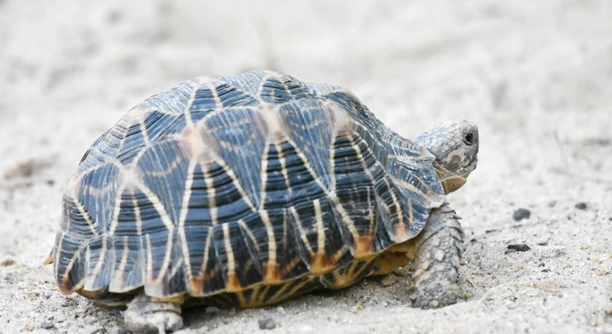
Indian Star Tortoises are popular pets due to their unique appearance and relatively gentle nature. However, ensuring their health requires attentive care and consistent monitoring. Keeping track of their well-being can prevent issues before they become serious.
Monitoring the health of Indian Star Tortoises involves observing their behavior, diet, and physical condition. Regular check-ups and environmental adjustments are essential for preventing common health issues, ensuring that your tortoise thrives in a safe and comfortable space.
By using simple yet effective techniques, you can spot potential health problems early. These methods will help you maintain a happy and healthy environment for your tortoise.
Regular Behavior Observations
Observing the behavior of your Indian Star Tortoise is one of the simplest yet most effective ways to track its health. Changes in its movement or activity levels can indicate possible health issues. A healthy tortoise is usually active, enjoys exploring its environment, and feeds regularly. If your tortoise seems lethargic, hides more than usual, or shows signs of stress, it may be dealing with an underlying health problem. You should pay attention to any signs of reduced appetite or abnormal behavior, such as frequent basking or excessive hiding.
A sudden change in behavior could be due to something as simple as temperature fluctuations or stress, but it can also signal more serious concerns. Keeping a close watch on your tortoise’s daily routines will help you spot problems early. This simple practice is essential for maintaining its well-being over time.
If behavior changes seem sudden or persistent, it’s important to consult a veterinarian for advice. Early detection leads to more effective treatment and prevents further complications down the road.
Dietary Monitoring
Paying close attention to your tortoise’s diet is another key factor in monitoring its health. A balanced diet ensures proper growth and supports overall health. Make sure your tortoise is eating a variety of leafy greens, vegetables, and some fruits.
An imbalanced diet can cause issues like shell deformities or digestive problems. Ensure you’re providing the right amounts of calcium and fiber to support healthy shell growth and digestion. If your tortoise isn’t eating enough, or shows a sudden disinterest in food, it’s a red flag. Lack of appetite may point to internal issues like parasites or an infection.
Also, avoid overfeeding or offering foods that are too rich in fat, which could lead to obesity or other health concerns. Consistent, healthy feeding habits will keep your tortoise’s system functioning properly.
Shell Health Inspection
Your Indian Star Tortoise’s shell is a vital indicator of its health. Regular inspection for any cracks, soft spots, or discoloration is essential. A healthy shell is firm, smooth, and free of noticeable damage. If you notice any rough patches, abnormal growth, or changes in texture, it’s time to investigate further. Such signs could suggest an infection, vitamin deficiency, or metabolic bone disease.
Make sure to check for any signs of injury or excessive scarring, which can occur from falls or improper handling. Proper humidity and temperature are crucial to maintaining shell health as well. Tortoises kept in unsuitable conditions may develop problems with shell growth. Your tortoise should also have access to enough space to move around freely, as restricted movement can lead to shell deformities.
If you spot anything concerning, it’s best to seek advice from a vet. Regular shell checks are part of responsible tortoise care.
Creating an Ideal Habitat
A suitable living environment is critical to your Indian Star Tortoise’s health. This means providing the correct temperature, humidity, and space for your tortoise to feel comfortable and thrive. Make sure to set up a proper basking area with adequate heat, and a cooler section for your tortoise to retreat to when it needs a break. The humidity level should be maintained at around 50-60% to keep your tortoise hydrated and healthy.
An overly dry environment can cause dehydration or respiratory problems, while excess moisture can lead to fungal infections or shell rot. Temperature regulation is equally important, as fluctuations can cause stress and impact digestion. Make sure your tortoise’s habitat is large enough to allow for movement, but not too spacious to feel overwhelming.
Additionally, use a substrate like coconut coir or organic soil to mimic a natural environment. This helps your tortoise feel secure while encouraging natural behaviors like burrowing. Clean the enclosure regularly to prevent bacterial growth or fungal issues. Your tortoise’s habitat should be a peaceful and supportive space for long-term health.
Hydration Monitoring
Proper hydration is crucial for the overall health of your tortoise. Indian Star Tortoises need access to fresh water daily. Dehydration can lead to many health problems, including kidney issues, digestive problems, and shell deformation. Make sure you provide a shallow water dish that your tortoise can easily access, but ensure the water is not too deep to avoid drowning risks.
Observe whether your tortoise drinks water regularly. If it seems reluctant to drink, you may need to adjust the environment, like increasing humidity levels or offering water in different ways, such as soaking your tortoise in shallow water.
Keeping a close eye on hydration habits will prevent many common health issues. If you notice signs of dehydration, such as sunken eyes, lethargy, or dry skin, act quickly by improving hydration and consulting a veterinarian if needed. Regular hydration checks will help keep your tortoise in top shape.
Weight Monitoring
Tracking your Indian Star Tortoise’s weight is an easy but important method for monitoring its health. Regular weighing helps you catch any issues before they become serious. A noticeable drop in weight could indicate digestive or metabolic problems, while unexpected weight gain may point to overfeeding or lack of exercise.
When weighing your tortoise, use a digital scale for accuracy. Weigh it weekly, or at least once a month, to track any significant changes. If your tortoise is losing weight without an apparent reason, consider reviewing its diet and environment. Stress, poor nutrition, or parasites can all contribute to weight loss. On the other hand, excessive weight gain can strain your tortoise’s limbs and shell, leading to health issues over time.
If weight changes persist, consult with a veterinarian to get to the root of the problem. Keeping track of your tortoise’s weight is a straightforward way to spot potential issues early.
Shell Mite Prevention
Shell mites are a common problem for tortoises, including Indian Star Tortoises. These tiny parasites feed on your tortoise’s shell and can cause irritation, infections, or even permanent damage if left untreated. Preventing shell mites starts with maintaining a clean living environment for your tortoise.
Make sure your tortoise’s habitat is disinfected regularly, and that its bedding is changed frequently. Shell mites are often introduced by infected substrate or dirty water. You can also inspect your tortoise’s shell for any signs of these pests, such as small, red, or black dots, which may be visible to the naked eye. Mites can sometimes be detected by observing your tortoise’s behavior. If it is scratching or rubbing its shell excessively, it might be suffering from mites.
If mites are found, consult a veterinarian immediately for advice on treatment. Treating the issue early can prevent further damage to the tortoise’s shell and overall health. Regular cleaning and vigilance can keep your tortoise mite-free.
UVB Lighting Checks
UVB lighting is vital for the health of your Indian Star Tortoise. It helps your tortoise produce vitamin D3, which is essential for calcium absorption and healthy shell growth. Without proper UVB lighting, your tortoise may develop metabolic bone disease or other health problems.
Check the UVB lights in your tortoise’s enclosure regularly to ensure they are working efficiently. UVB bulbs should be replaced every six to twelve months, as their effectiveness diminishes over time. Place the light close enough to your tortoise to ensure adequate exposure but not so close that it causes overheating.
If your tortoise shows signs of lethargy or weak, soft shells, it may not be getting enough UVB light. In these cases, adjust the light placement or change the bulb immediately. Regular checks on UVB lighting are key to keeping your tortoise healthy and strong.
Regular Vet Check-ups
Regular veterinary check-ups are essential for monitoring your tortoise’s health. Even if your tortoise seems fine, annual visits ensure that hidden health issues are caught early. A vet can perform essential tests and offer advice on diet, habitat, and overall care.
During a check-up, the vet will assess your tortoise’s weight, shell condition, and overall behavior. They may recommend tests for parasites or signs of vitamin deficiencies. If any health concerns arise, early detection can make treatment easier.
Taking your tortoise to the vet is a simple but effective way to protect its long-term health.
Parasite Prevention
Parasites are a common issue for Indian Star Tortoises, but with proper care, they can be avoided. Regular cleaning and quarantining new animals help minimize the risk of infections.
Parasites can cause discomfort and even serious illness if left untreated. Your tortoise’s habitat should be disinfected regularly, and any new additions should be checked for parasites before being introduced. It’s important to also watch for signs like changes in behavior or loss of appetite, as these could be symptoms of an infection. Keeping a clean environment and being vigilant can help protect your tortoise from these harmful invaders.
Proper Temperature Monitoring
Proper temperature regulation is crucial to your Indian Star Tortoise’s health. It ensures that your tortoise can digest food properly and stay active. Use a thermometer to check both the basking and cooler areas of the enclosure.
Temperature changes can cause stress or digestion issues in tortoises. The basking area should be between 90-95°F (32-35°C), while the cooler area should remain around 75-80°F (24-27°C). If the temperature is too low, your tortoise may become sluggish or stop eating. Too high, and it could cause overheating or dehydration. Maintaining stable, appropriate temperatures promotes a healthy, happy tortoise.
FAQ
How often should I feed my Indian Star Tortoise?
Indian Star Tortoises should be fed every other day, with a diet consisting mainly of leafy greens, grasses, and some fruits in moderation. Offering a variety of foods ensures they get the right nutrients. Overfeeding can lead to obesity, so be mindful of portion sizes. You can offer vegetables like dandelion greens, collard greens, and endive, along with safe fruits like strawberries or melons. Avoid giving them too many high-calcium foods like kale or spinach as they can interfere with calcium absorption. Ensure that the food is fresh and free of pesticides.
What kind of substrate should I use for my tortoise’s habitat?
The best substrate for an Indian Star Tortoise’s habitat is something that holds moisture but also allows for proper ventilation. Coconut coir, organic soil, or cypress mulch are excellent options. These materials mimic the natural environment and provide a comfortable area for the tortoise to walk on. Avoid using sand, as it can cause impaction if ingested. The substrate should be cleaned regularly, and excess moisture should be removed to prevent mold and bacterial growth. Keep the substrate at a manageable depth to allow for easy movement.
Do I need to provide a water bowl for my tortoise?
Yes, providing a shallow water dish is crucial. Your Indian Star Tortoise needs access to fresh water daily. It is important that the water is shallow enough for them to drink without risk of drowning. In the wild, tortoises are used to drinking from shallow water sources, so they need a similar setup in captivity. Additionally, soaking your tortoise in water once a week can help keep it hydrated. This is particularly important during warm weather or if you live in a dry climate. Be sure to clean the water dish regularly.
What are the signs of a sick tortoise?
Signs that your tortoise may be sick include loss of appetite, lethargy, wheezing or nasal discharge, abnormal shell appearance (such as soft spots, cracks, or discoloration), and unusual behavior like excessive hiding or inactivity. If your tortoise’s eyes appear sunken or they seem to be straining to walk, these could also be signs of health problems. It’s important to act quickly if you notice any of these symptoms, as many issues, like respiratory infections or parasites, can worsen without prompt treatment. Always consult with a veterinarian for proper diagnosis and treatment.
How can I prevent my tortoise from getting shell rot?
Shell rot is typically caused by bacteria or fungi and can occur when your tortoise’s shell is kept in a damp, unclean environment. To prevent shell rot, maintain proper humidity and temperature levels in the habitat, and avoid excessive moisture or standing water in the enclosure. Ensure that the tortoise has access to a dry area where it can rest. Regular cleaning of the enclosure is essential, and if you notice any changes to the shell, such as soft spots or foul smells, you should seek veterinary care immediately to prevent further damage.
Can Indian Star Tortoises live with other tortoises or reptiles?
Indian Star Tortoises can be kept with other tortoises, but they should only be housed with compatible species. Make sure the other tortoises have similar care needs, such as temperature and humidity requirements. It’s important to avoid overcrowding, as this can lead to stress and aggression, especially when competing for food or space. Avoid housing them with other types of reptiles that may pose a threat or require different care conditions. Always observe the behavior of your tortoises to ensure they’re not stressed or aggressive toward each other.
What is the best temperature for an Indian Star Tortoise’s enclosure?
The ideal temperature for an Indian Star Tortoise’s habitat varies. The basking area should be kept between 90-95°F (32-35°C), while the cooler area should be around 75-80°F (24-27°C). Providing both warm and cool areas allows the tortoise to regulate its body temperature. If the temperature is too low, your tortoise may become lethargic or stop eating, while too much heat can cause dehydration or heat stress. You can achieve these temperatures using a combination of heat lamps and ceramic heaters. Make sure to monitor the temperatures regularly to maintain a stable environment.
How can I tell if my tortoise is dehydrated?
Signs of dehydration in Indian Star Tortoises include sunken eyes, dry or flaky skin, and a lack of interest in drinking water. Dehydration can also cause lethargy, and your tortoise may appear more sluggish than usual. If you notice these symptoms, it’s important to soak your tortoise in shallow water to help rehydrate it. You can also increase the humidity in its habitat and ensure that fresh water is always available. If the dehydration persists, it’s essential to consult with a veterinarian to prevent further complications.
How do I care for my tortoise during the winter?
During the colder months, Indian Star Tortoises may go into a state of brumation (a form of hibernation). To prepare for winter, ensure your tortoise’s habitat stays warm enough, as they are sensitive to cold temperatures. Keep the basking area around 90-95°F (32-35°C) and the cooler area at 75-80°F (24-27°C). If your tortoise is brumating, reduce the temperature slightly but ensure it remains above 50°F (10°C). You should also reduce feeding during this time, as their metabolism slows down. Always monitor your tortoise closely during colder months to ensure it remains healthy.
How can I provide enrichment for my tortoise?
Indian Star Tortoises benefit from environmental enrichment to keep them mentally and physically stimulated. Provide obstacles like rocks, logs, and plants that allow your tortoise to climb and explore. This simulates their natural habitat and encourages movement. You can also hide food around the enclosure to encourage foraging behavior. Regularly change the layout of the enclosure to provide variety and avoid boredom. A varied, enriched environment promotes a healthy and active tortoise, helping to prevent stress and behavioral issues.
Taking care of an Indian Star Tortoise involves paying attention to several key areas, from diet to environmental conditions. By monitoring their behavior, weight, shell health, and hydration, you can catch potential issues early. This proactive approach helps keep your tortoise healthy and prevents small problems from turning into bigger ones. Regular check-ups with a vet ensure that you are providing the best care possible. Making sure your tortoise’s environment is clean, with appropriate temperatures and humidity, is equally important in maintaining its health.
Proper feeding and hydration also play a significant role in your tortoise’s overall well-being. Offering a balanced diet of leafy greens, fruits, and vegetables, while avoiding overfeeding, helps maintain a healthy weight. Fresh water should always be available, and you can even provide occasional soaks to keep your tortoise hydrated. Ensuring your tortoise gets the right nutrients, especially calcium for shell health, can make a big difference in preventing long-term health issues. Additionally, monitoring their UVB lighting will support healthy shell growth and calcium absorption.
By staying observant and taking small, consistent actions, you can create a safe and supportive environment for your Indian Star Tortoise. It’s important to remember that tortoises, like all pets, have individual needs and preferences. Understanding these needs and responding appropriately will lead to a happier, healthier tortoise. The more informed you are about the care your tortoise requires, the better prepared you’ll be to face any challenges and ensure its long-term health and happiness. Taking these steps will help you create a fulfilling and successful experience caring for your tortoise.

Hello,
If you enjoy the content that we create, please consider saying a "Thank You!" by leaving a tip.
Every little bit helps us continue crafting quality advice that supports the health, happiness, and well-being of pets around the world, for pets of all shapes, sizes, and species.
We really appreciate the kindness and support that you show us!