
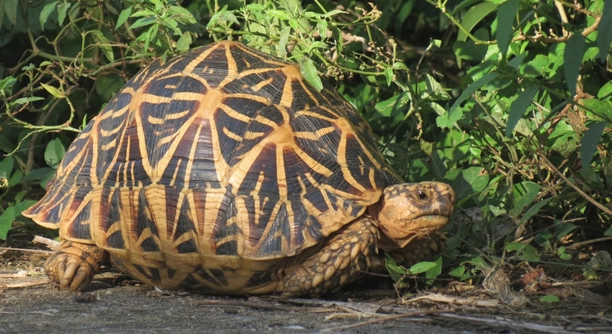
Minor wounds in Indian Star Tortoises can happen, but knowing how to handle them can ensure a quick recovery. These tortoises are gentle and resilient, and treating their wounds properly is key to keeping them healthy and happy.
To treat minor wounds on an Indian Star Tortoise, clean the injury with saline solution, apply an antiseptic, and bandage the area lightly. It’s essential to monitor the wound for any signs of infection and adjust the treatment accordingly.
With the right care, you can help your tortoise heal quickly. By following these steps, you will ensure their well-being and comfort during recovery.
Understanding Minor Wounds in Indian Star Tortoises
Indian Star Tortoises are generally hardy, but like any animal, they can sometimes get minor wounds. These injuries can occur from various sources like sharp objects, rough surfaces, or accidental falls. It’s important to recognize the signs of a wound early to ensure your tortoise receives the proper care it needs. A small scratch might not seem like much, but it can easily become infected if left untreated.
These tortoises have sensitive skin and shells, which makes them more susceptible to infections if their wounds aren’t addressed. Minor wounds can show up as small cuts, bruises, or shell injuries. Recognizing the injury and knowing how to treat it is essential to maintaining your tortoise’s health. It’s crucial to act quickly but calmly, as any delay in proper care can lead to complications.
When you notice a wound, stay calm and assess the situation. Ensure that your tortoise is in a safe, quiet area where it can rest while you clean the wound. Use sterile equipment to avoid contamination, and always follow the necessary steps to prevent infection.
Preparing to Treat the Wound
Before you start, gather the necessary supplies like saline solution, antiseptic ointment, bandages, and cotton pads. Having everything ready ensures you don’t rush the process and risk making a mistake.
Once the items are ready, gently handle your tortoise. You want to avoid stressing it out too much during this process. Be patient, as even small movements can be unsettling for your tortoise.
Step-by-Step Treatment Process
Start by cleaning the wound with a saline solution to remove any dirt or debris. Saline is safe for your tortoise and helps avoid irritation. Use a clean cotton pad to gently dab the affected area. Make sure you don’t scrub, as this could cause more harm. After cleaning, apply an antiseptic ointment designed for reptiles. This helps to prevent infection and promotes faster healing.
Next, lightly bandage the wound, ensuring that the bandage isn’t too tight. You want to make sure your tortoise is comfortable and can still move without difficulty. Be mindful not to cover the shell if the injury is near that area, as you don’t want to impede its natural movement. If you’re unsure whether the bandage should be applied, check with a vet for specific instructions.
When to Seek Veterinary Help
In some cases, despite your best efforts, the wound might not heal as expected. If the injury shows signs of infection, such as swelling, pus, or an unpleasant odor, it’s time to contact a veterinarian. They can properly assess the situation and prescribe the right treatment.
Veterinary visits are crucial for more serious injuries. If your tortoise experiences difficulty moving or seems in pain, don’t hesitate to seek professional help. A vet can guide you on how to properly care for your tortoise and ensure it receives the best possible treatment for recovery. The sooner you act, the better the chances of a full recovery.
Preventing Future Injuries
To prevent minor wounds from happening again, it’s important to provide a safe environment for your tortoise. Keep their living area free from sharp objects or hazards that could cause injury. Regularly inspect their enclosure for any potential threats.
Regularly check the flooring or substrate in their habitat, as rough or jagged surfaces can lead to abrasions. Providing a smooth, soft area to move around reduces the risk of cuts. Additionally, make sure any climbing structures or hideouts are stable and free from sharp edges that could harm your tortoise. Proper care of their habitat plays a big role in preventing injuries.
A well-maintained space helps your tortoise feel secure and minimizes the chances of minor injuries. When they’re comfortable in their surroundings, your tortoise will naturally be less likely to hurt itself while moving or exploring. Regular checks of the environment, coupled with proper care, can greatly reduce the risk of injury.
Monitoring the Healing Process
Once a minor wound is treated, it’s essential to monitor your tortoise’s recovery. Check the wound daily for any signs of improvement or worsening. Keep an eye out for swelling, redness, or discharge, as these can indicate an infection. If you notice any concerning symptoms, seek professional help.
During the healing process, make sure your tortoise isn’t stressing the injured area by trying to move too much or rubbing against objects. If you notice that it is, try to limit its activity until the wound heals. Proper rest is crucial for the healing process. Make sure your tortoise’s diet is also balanced, as proper nutrition can aid in faster recovery.
Being attentive during the healing period is important. By keeping the wound clean and monitoring your tortoise closely, you can catch any issues early. If the wound isn’t healing properly, consult with a veterinarian for further guidance and treatment options. A healthy recovery is essential for your tortoise’s well-being.
Signs of Infection
Watch for any signs of infection, as they can develop quickly if the wound isn’t properly cared for. Symptoms to look out for include swelling, redness, warmth around the wound, and pus. These could indicate that bacteria have entered the area.
If you notice any of these signs, it’s important to act fast. Infection can lead to more serious health problems for your tortoise if left untreated. Clean the wound again and apply a fresh layer of antiseptic. If the infection persists, seek veterinary care immediately to prevent further complications.
Proper Diet for Healing
A healthy diet is crucial for supporting the healing process. Offer your tortoise a variety of fresh vegetables, high-quality pellets, and calcium supplements. These foods provide the nutrients needed to promote tissue repair and overall health. Always ensure access to clean water as well.
Proper hydration is just as important for recovery. Dehydration can slow healing and make the wound more prone to infection. Make sure your tortoise is drinking enough water, especially if it’s showing signs of decreased appetite or energy. Healthy eating and hydration go hand in hand.
Handling Your Tortoise Gently
During the healing period, it’s important to handle your tortoise gently. Avoid picking it up too frequently, and be mindful of the injured area. Stress can hinder healing, so allow your tortoise to rest as much as possible. If you need to handle it, keep the movements slow and minimal.
Being cautious with your tortoise can make a big difference. Even minor stress can delay recovery, so try to limit unnecessary handling. Let your tortoise move at its own pace, and only intervene when necessary to ensure its comfort and safety.
FAQ
What should I do if my tortoise’s wound is deep?
If the wound is deep, it’s important to seek veterinary care right away. A deep injury may require stitches or other professional treatments to prevent infection and promote proper healing. In the meantime, clean the area gently with saline solution, apply an antiseptic, and cover it with a clean bandage to keep the wound protected. Avoid handling your tortoise too much, as movement could make the injury worse.
How long does it take for a tortoise’s wound to heal?
Healing time depends on the severity of the injury, the tortoise’s age, and overall health. Minor wounds might take anywhere from a few days to a week to heal, while deeper or more serious injuries can take weeks or even months. You should monitor the wound regularly to ensure it is healing properly, and consult a vet if healing is slower than expected or complications arise.
Can I use human antiseptic on my tortoise’s wound?
No, you should avoid using human antiseptics like hydrogen peroxide or alcohol on your tortoise’s wounds. These substances can be too harsh and may cause further damage to the skin or shell. Instead, use a reptile-safe antiseptic ointment or saline solution to clean the wound. Always check the label to ensure it is safe for reptiles.
How can I prevent my tortoise from injuring itself again?
To prevent future injuries, keep your tortoise’s enclosure free from sharp objects, rough surfaces, and any potential hazards. Regularly check the habitat for risks such as exposed nails or broken furniture. If you use outdoor enclosures, ensure the area is free of debris or sharp stones that could cause harm. Also, monitor your tortoise’s activity to make sure it isn’t engaging in risky behaviors, like climbing on unstable structures.
Should I bandage my tortoise’s wound?
Bandaging can be helpful for certain types of injuries, especially if the wound is on a soft area or exposed to dirt. However, you should avoid wrapping the bandage too tightly, as it could restrict blood flow. Ensure the bandage is light and breathable to prevent the growth of bacteria. If the injury is on the tortoise’s shell, you may not need a bandage, but it’s important to keep the wound clean and dry.
What signs indicate that my tortoise’s wound is infected?
Signs of infection in a tortoise include swelling, warmth around the wound, redness, or the presence of pus. If you notice any of these symptoms, it’s critical to take action. Clean the wound carefully and apply an antiseptic. If the infection doesn’t improve, or if you’re unsure about the condition, contact your veterinarian right away.
Can I give my tortoise antibiotics for an infected wound?
While some antibiotics can be helpful, it is important that you don’t administer them without consulting a veterinarian. Improper use of antibiotics can lead to complications, such as resistance or harmful side effects. Your vet can prescribe the right antibiotics for your tortoise’s condition and ensure it is given in the proper dosage.
How can I help my tortoise feel comfortable while it heals?
Keeping your tortoise in a calm, quiet environment can help reduce stress and promote healing. Limit handling and avoid exposing your tortoise to loud noises or other stressors. You can also offer fresh food, water, and a clean living area to make it feel more secure. Proper temperature and humidity levels are important too, as they support the healing process.
Should I remove my tortoise’s food if it’s not eating due to a wound?
If your tortoise isn’t eating due to a wound, make sure it has access to fresh food and clean water, as it may be feeling unwell. Sometimes tortoises lose their appetite when they are stressed or in pain. You can try offering softer foods like leafy greens or fruits that are easier to eat. If your tortoise continues to refuse food for more than a few days, consult a veterinarian for further guidance.
Can tortoises get infections from dirty water?
Yes, dirty water can lead to infections and other health issues in tortoises. It’s important to provide fresh, clean water daily. Contaminated water can introduce bacteria that may cause wounds to become infected. Regularly clean the water dish to ensure your tortoise has access to safe drinking water, as this helps prevent health problems, including infections.
Can a tortoise’s shell heal if it’s scratched or damaged?
Yes, a tortoise’s shell can heal from minor scratches or damage, but it may take time. It’s important to keep the area clean and monitor for any signs of infection. For larger or deeper damage, it’s best to consult a veterinarian to assess if further care or treatment is needed. Avoid applying any harsh chemicals to the shell and focus on gentle cleaning and protection.
Final Thoughts
Taking care of minor wounds in your Indian Star Tortoise is essential for its well-being. These tortoises are generally tough, but they are not immune to injury. Whether it’s from rough surfaces, sharp objects, or other accidents, knowing how to handle wounds properly can make a big difference in your tortoise’s recovery. While it might be tempting to ignore small cuts or scratches, proper treatment helps avoid infections and ensures the healing process goes smoothly. Monitoring the wound closely and keeping the environment safe for your tortoise is crucial to prevent further injuries.
The healing process can vary depending on the severity of the injury and your tortoise’s health. Minor injuries might heal quickly with just basic care, but deeper or more serious wounds might need professional attention. Always be on the lookout for signs of infection, such as swelling, pus, or redness, and take immediate action if you notice any of these symptoms. If you ever feel uncertain, it’s always better to consult a veterinarian. Their guidance can help ensure that your tortoise gets the proper care it needs, especially if the injury doesn’t seem to heal on its own.
Ultimately, keeping your tortoise healthy means paying attention to its environment, diet, and overall care. A proper habitat free of sharp objects, regular cleaning, and offering the right food and hydration are all important factors in maintaining your tortoise’s well-being. In addition, handling your tortoise gently and being mindful during the recovery period will help reduce stress and promote healing. With the right care, your Indian Star Tortoise will recover quickly and stay healthy.

Hello,
If you enjoy the content that we create, please consider saying a "Thank You!" by leaving a tip.
Every little bit helps us continue crafting quality advice that supports the health, happiness, and well-being of pets around the world, for pets of all shapes, sizes, and species.
We really appreciate the kindness and support that you show us!