
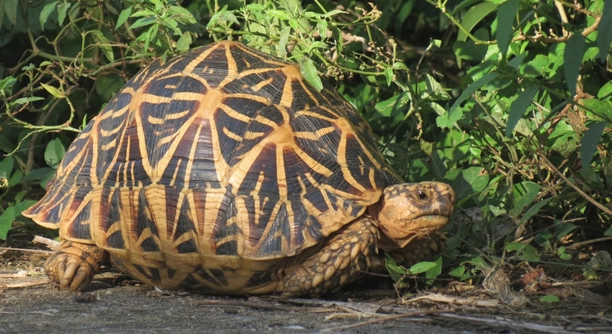
Creating a comfortable and safe environment for your Indian star tortoise is essential to ensure their well-being. One important aspect of this is providing the right accessories for their habitat. These items play a crucial role in keeping them happy and healthy.
There are seven key accessories that every Indian star tortoise tank should have. These items include proper lighting, heating elements, substrates, water dishes, hiding spots, basking areas, and decorations that mimic their natural habitat. These elements support their growth and behavior.
By focusing on the right accessories, you can ensure your tortoise’s tank is both functional and enjoyable for your pet. Understanding each item’s role will help you create the perfect environment for your Indian star tortoise.
Proper Lighting for Your Tortoise Tank
Lighting is one of the most important aspects of setting up your Indian star tortoise tank. These tortoises need proper UVB lighting to mimic their natural environment. UVB light helps them produce vitamin D3, which is essential for calcium absorption and bone health. Without it, they can develop metabolic bone disease, a serious health issue. UVB light should be provided for around 10-12 hours a day, followed by a 12-hour dark cycle to match their natural day-night rhythm.
In addition to UVB, heat lamps are also necessary to create a basking spot where your tortoise can warm up. The temperature should range between 85-95°F (29-35°C) in the basking area, with a cooler side of the tank for them to retreat to when needed.
It’s important to change the bulbs regularly. UVB bulbs lose their effectiveness over time, even if they still emit light. Using a timer to regulate the light cycle can also make it easier for you to maintain consistency.
Proper Heating and Temperature Regulation
Maintaining the right temperature is key to your tortoise’s health.
A heat source in the tank, like a heat lamp, ensures your tortoise stays warm enough to digest food and be active.
Without the proper heat source, your tortoise might become lethargic, refuse to eat, or suffer from health issues. A temperature gradient inside the tank, with a warmer basking area and a cooler retreat, provides comfort. A thermometer placed on both sides will help you monitor the tank’s temperature.
Substrate for Your Tortoise Tank
Choosing the right substrate for your Indian star tortoise is vital for both comfort and cleanliness. The substrate should be absorbent and easy to clean, while also providing a natural surface for your tortoise to walk on.
Coconut coir, organic topsoil, and reptile-safe bedding are great options. These materials help retain humidity, which is crucial for your tortoise’s shell health. Avoid using sand or gravel, as they can cause digestive issues if ingested. Make sure the substrate is not too deep, as it may cause your tortoise to become stuck.
Regularly spot-clean the tank to remove waste and replace the substrate every few months to maintain a healthy environment. Keeping the substrate clean helps prevent bacterial growth and ensures the tank remains a safe space for your pet.
Water Dish and Hydration
Providing a shallow water dish is important for hydration.
Your tortoise should always have access to fresh, clean water for drinking and soaking.
Indian star tortoises are known to drink less frequently, but they still need proper hydration to maintain their overall health. Make sure the water dish is shallow enough for your tortoise to easily enter and exit. Keeping the water clean is essential, as bacteria can quickly build up in stagnant water.
In addition to drinking, your tortoise may also soak in the water to help with shedding and hydration. Be sure to change the water daily and clean the dish to avoid contamination.
Hiding Spots for Your Tortoise
Indian star tortoises need a place to hide and feel secure.
Providing hiding spots in their tank helps reduce stress and allows them to rest properly.
Use small rocks, logs, or commercially available reptile hides. Make sure the hide is big enough for the tortoise to enter and turn around comfortably. Position it in a quiet corner where your tortoise can escape bright lights and disturbances.
Adding natural elements like plants can also create more secluded spaces. This gives your tortoise the chance to retreat and feel safe when needed.
Basking Area for Warmth
A basking area is a must for your tortoise’s tank.
This spot should be placed directly under the heat lamp for your tortoise to warm up.
Your tortoise needs a basking area where it can absorb heat and regulate its body temperature. The basking spot should be kept between 85-95°F (29-35°C), while the rest of the tank should be cooler. Make sure the surface of the basking area is flat and safe for your tortoise to climb onto. You can use a flat rock, a piece of wood, or a reptile basking platform.
Tank Decorations for Enrichment
Tank decorations add visual appeal and mental stimulation for your tortoise.
Choose decorations that are safe and functional for your tortoise’s environment.
FAQ
What temperature should an Indian star tortoise tank have?
Indian star tortoises need a temperature gradient in their tank. The basking area should be between 85-95°F (29-35°C), while the cooler side of the tank should be around 70-80°F (21-27°C). The temperature difference helps them regulate their body heat. During the night, temperatures can drop slightly, but they should not fall below 65°F (18°C). Always monitor the temperature with a thermometer on both sides of the tank to ensure proper conditions.
How often should I clean the tank?
You should clean your tortoise’s tank regularly to prevent the buildup of waste and bacteria. Spot clean the tank daily by removing any leftover food, waste, and debris. Once a week, replace the substrate to maintain a clean environment. Every month, clean the tank completely, removing all decorations, dishes, and substrate. Wash everything with warm water and a reptile-safe disinfectant. Always allow the tank to dry fully before setting it back up.
Do Indian star tortoises need UVB light?
Yes, UVB light is essential for the health of your Indian star tortoise. UVB helps them produce vitamin D3, which is needed for calcium absorption. Without UVB light, your tortoise could develop metabolic bone disease. The UVB light should be on for 10-12 hours a day, mimicking natural sunlight. Change the UVB bulb every 6 months, even if it still emits light, as the UVB rays degrade over time.
Can I keep more than one Indian star tortoise together?
While it’s possible to house more than one Indian star tortoise together, it’s not always recommended. They are solitary animals by nature, and keeping multiple tortoises in one tank can lead to territorial behavior. If you decide to house more than one, make sure the tank is large enough to allow for adequate space and hideouts. Observe the tortoises carefully for signs of aggression or stress, and provide separate basking areas to avoid conflict.
What do Indian star tortoises eat?
Indian star tortoises are herbivores, and their diet should primarily consist of leafy greens, grasses, and some fruits and flowers. Offer them foods like dandelion greens, collard greens, and clover. Occasionally, you can offer small amounts of fruits like papaya or melons. Avoid feeding them high-fat foods like lettuce, which can cause digestive problems. It’s also important to provide them with calcium and vitamin D3 supplements to support their shell and bone health.
How can I tell if my Indian star tortoise is healthy?
A healthy Indian star tortoise will have a smooth, hard shell without any soft spots, cracks, or discoloration. They should be active, moving around their tank, and have a healthy appetite. Watch for signs of lethargy, weight loss, or changes in eating habits, which could indicate illness. Their eyes should be clear and bright, not swollen or discharging. If you notice any abnormal behavior or symptoms, it’s a good idea to consult a reptile veterinarian.
How much space does an Indian star tortoise need?
The size of the tank depends on how many tortoises you have. A single Indian star tortoise requires a minimum of a 40-gallon tank, but a larger enclosure is always better. Ideally, the tank should be at least 4 feet long. If you plan to house multiple tortoises, you’ll need a larger space. Tortoises benefit from a large area to roam and explore, which helps keep them healthy and active.
Can I use sand in the tortoise tank?
It’s not recommended to use sand as a substrate for your Indian star tortoise. While sand might seem like a natural choice, it can cause serious health issues if ingested. Tortoises may accidentally eat sand while foraging, leading to impaction in their digestive system. Instead, use coconut coir, organic topsoil, or a reptile-safe bedding, which is much safer for them to interact with.
Do Indian star tortoises need a humidity level in their tank?
Yes, Indian star tortoises benefit from a moderate level of humidity. Their natural habitat is semi-arid, so the tank should maintain humidity levels between 50-70%. Too much humidity can lead to respiratory issues, while too little can cause dehydration. Keep the tank slightly humid, and provide a shallow water dish to help maintain this balance. You can use a hygrometer to measure the humidity levels in the tank.
How often should I feed my Indian star tortoise?
Feed your Indian star tortoise every other day or 3-4 times a week, depending on its age and size. Young tortoises generally require more frequent feedings, while adults can eat less often. Provide a variety of leafy greens and grasses with every meal. You can also offer a small amount of fruit occasionally as a treat. Always ensure that their food is fresh and free of pesticides or chemicals.
Can I handle my Indian star tortoise?
While it’s safe to handle your Indian star tortoise occasionally, it’s important not to overdo it. Tortoises are not typically fond of being picked up and handled too much, as it can cause stress. If you do need to handle them, be gentle and always support their body to avoid injury. Let them explore their tank and move around freely as much as possible.
How long do Indian star tortoises live?
Indian star tortoises are known for their long lifespan, often living 50 years or more with proper care. Some tortoises can even live up to 80 years, so owning one is a long-term commitment. To ensure they live a long and healthy life, make sure their environment is kept clean and that they receive the right diet, temperature, and lighting. Regular vet check-ups are also a good idea to monitor their health.
Final Thoughts
Taking care of an Indian star tortoise requires attention to detail and patience. The right setup in their tank can make all the difference in their health and well-being. Providing them with the right lighting, temperature, substrate, and accessories is crucial to keeping them happy. Each element of the tank plays a specific role, from creating a comfortable basking area to ensuring they have enough space to roam. A healthy, well-maintained tank ensures your tortoise will thrive, helping them live a long and active life.
It’s also important to remember that Indian star tortoises are not low-maintenance pets. They require consistent care, from feeding them a balanced diet to maintaining proper humidity and temperature levels. Regular cleaning and monitoring their health are just as important as providing them with the correct environment. Over time, you will learn more about your tortoise’s behavior and needs, which will help you create the best habitat for them. Staying informed and being proactive in your care is key.
Lastly, while setting up the tank and providing the right accessories may take some time and effort, the rewards of watching your tortoise grow and thrive are well worth it. These creatures can be fascinating to observe, and their calm, gentle nature makes them a unique and rewarding pet. By focusing on their needs and providing the best care possible, you ensure that your Indian star tortoise will lead a healthy, fulfilling life for many years to come.

Hello,
If you enjoy the content that we create, please consider saying a "Thank You!" by leaving a tip.
Every little bit helps us continue crafting quality advice that supports the health, happiness, and well-being of pets around the world, for pets of all shapes, sizes, and species.
We really appreciate the kindness and support that you show us!