
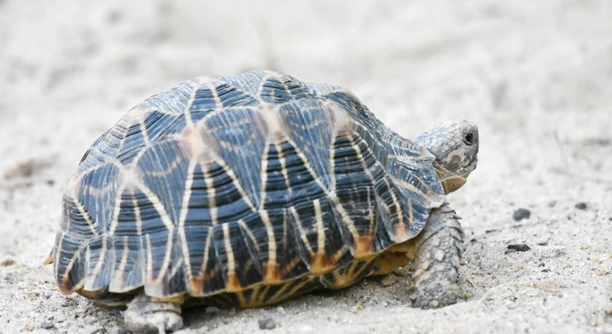
Managing Indian Star Tortoise shedding problems can be tricky, but with the right steps, it’s manageable. These tortoises may shed their skin for various reasons, and knowing how to handle it ensures their health and well-being.
Indian Star Tortoises typically shed their skin as part of their natural growth process. However, improper humidity levels, diet, or health issues may cause excessive shedding. By providing the right environment and care, shedding can be minimized.
Proper care and understanding of the causes behind shedding will help maintain a healthy environment for your tortoise. These tips will guide you through the necessary steps for managing this common issue.
Understanding the Causes of Shedding
Shedding is a normal process for Indian Star Tortoises, but excessive or irregular shedding can be a sign of underlying issues. Factors like temperature fluctuations, dehydration, poor diet, and humidity imbalances can contribute to abnormal shedding. When a tortoise sheds in large pieces or too frequently, it may indicate that its environment isn’t quite right. Dehydration is a major factor that can make the skin dry and flaky, while improper humidity can affect the natural shedding process.
Ensuring proper humidity and hydration can help control excessive shedding in your tortoise. The best way to keep your tortoise’s skin healthy is by maintaining a stable environment.
To prevent these issues, you should adjust the habitat to include the right humidity and temperature levels. The tortoise’s diet also plays a vital role, as certain vitamins and minerals contribute to healthy skin. A balanced diet that includes leafy greens and the proper amount of calcium will aid in natural shedding. If your tortoise is showing signs of discomfort, it’s important to address the issue promptly to prevent further complications.
Managing Humidity Levels
Humidity control is essential for preventing issues related to shedding.
The ideal humidity range for an Indian Star Tortoise is between 50% and 60%. Humidity helps in the shedding process by preventing the skin from drying out. To maintain proper humidity, a water bowl and misting the enclosure regularly can be effective.
Diet and Nutrition Impact
A poor diet can significantly affect your tortoise’s shedding. Lack of essential vitamins and minerals may result in skin issues. A well-balanced diet rich in calcium, fiber, and other nutrients is vital for the tortoise’s overall health. Ensure they receive a variety of leafy greens, such as dandelion greens and collard greens.
Tortoises also need proper calcium intake for strong, healthy skin and shell. Without enough calcium, they may have trouble shedding properly. You can supplement their diet with calcium powder, especially if their regular food doesn’t provide enough. Be cautious not to over-supplement, as this can cause other health issues.
Along with calcium, your tortoise needs vitamins A and D3 to maintain skin health. These nutrients support the skin’s natural shedding process. Regularly offering a mix of fresh vegetables, weeds, and grasses will help provide these nutrients and support proper shedding.
Hydration and Its Role
Hydration is critical for maintaining healthy skin and preventing shedding issues.
Your tortoise needs access to fresh water at all times. Dehydration is a common reason for abnormal shedding, as it causes the skin to dry out and peel excessively. Providing water both in a bowl and through misting the enclosure can help maintain proper hydration levels.
Temperature Regulation
Temperature plays a major role in your tortoise’s skin health. Maintaining a warm, stable temperature in their habitat helps them regulate their body and support natural shedding. Temperatures that are too low can lead to shedding issues or slowed metabolism.
To keep the environment ideal, use a heat lamp during the day, ensuring the basking area is between 90-95°F. A cooler side of the enclosure should be around 75-80°F. This variation allows your tortoise to regulate its body temperature as needed.
Health Checkups
Regular vet checkups are important for detecting underlying health issues.
Health problems, such as infections or parasites, can cause abnormal shedding. A vet can provide early detection and recommend treatments to address any concerns. Always seek professional help if you notice signs of infection, such as sores or excessive shedding.
FAQ
Why is my Indian Star Tortoise shedding more than usual?
Excessive shedding in Indian Star Tortoises can be caused by several factors, including dehydration, improper humidity, or an unbalanced diet. It’s important to maintain proper hydration and humidity levels within the enclosure to ensure a natural shedding process. Additionally, a diet lacking in key nutrients, like calcium or vitamins A and D3, can affect shedding. If the shedding is accompanied by signs of discomfort, such as swelling or sores, it may indicate an underlying health issue that requires veterinary attention.
What is the ideal humidity for my Indian Star Tortoise?
The ideal humidity range for Indian Star Tortoises is between 50% and 60%. Too high or low humidity can cause problems with skin health and the shedding process. You can maintain proper humidity by misting the enclosure regularly and placing a shallow water bowl inside. This ensures that the air is moist enough for the tortoise’s skin to shed properly without becoming overly dry or too wet. A hygrometer can help you monitor the humidity levels accurately.
Can poor lighting affect my tortoise’s shedding?
Yes, poor lighting can affect your tortoise’s overall health, including shedding. Indian Star Tortoises require UVB light to help metabolize calcium, which supports healthy skin and shell growth. Without proper UVB exposure, the tortoise may develop deficiencies, which can lead to abnormal shedding. It’s important to use a UVB bulb in their habitat, placed close enough to ensure the tortoise receives the necessary light but far enough to avoid burns.
How often should I bathe my tortoise to help with shedding?
Bathing your Indian Star Tortoise once a week can help with shedding, especially if they are showing signs of dehydration or dry skin. Soak the tortoise in warm water for about 15-20 minutes, ensuring the water level is shallow and doesn’t cover the head. This helps to hydrate their skin and soften any stuck shed. However, excessive bathing can stress your tortoise, so it’s important not to overdo it.
Should I be concerned if my tortoise sheds in large pieces?
It’s natural for a tortoise to shed in pieces, but if the shedding is excessive or in large chunks, it could indicate health issues. Large patches of skin coming off at once may be a sign of dehydration, vitamin deficiency, or an unsuitable environment. Check the humidity and temperature levels in their habitat and ensure their diet is well-balanced. If shedding continues to be abnormal, consult with a veterinarian to rule out any underlying health conditions.
What should I do if my tortoise refuses to eat while shedding?
If your Indian Star Tortoise refuses food while shedding, it could be a sign of stress or discomfort. Shedding is a physically taxing process, and your tortoise may experience a temporary loss of appetite. However, if the refusal to eat continues for several days or is accompanied by other signs like lethargy, it’s important to check their environment for any potential problems. Stress from improper habitat conditions, such as extreme temperatures or humidity, can also cause a lack of appetite. If the issue persists, consider seeking veterinary advice.
Can I help my tortoise shed by gently removing the skin?
It’s not advisable to manually remove the skin of your tortoise, as it can cause injury or stress. While it may be tempting to help, shedding is a natural process, and the tortoise will shed its skin on its own when the time is right. Gently soaking them in warm water can help soften the skin and promote natural shedding. If you notice stuck skin that doesn’t shed properly after soaking, a vet can offer professional advice on how to assist safely.
How can I ensure my tortoise’s shell is healthy during shedding?
A healthy shell is vital during shedding, as improper shedding can sometimes affect its growth and integrity. Make sure your tortoise is getting the right amount of UVB light, a calcium-rich diet, and proper hydration. The shell should not have cracks or signs of soft spots. Regularly check your tortoise’s shell for any unusual changes. If you notice any signs of damage or poor growth, it’s important to consult a vet, as these could be signs of metabolic bone disease or other conditions.
What is the best bedding for my tortoise during shedding?
Choosing the right bedding is crucial for your tortoise’s health and well-being, especially during shedding. Avoid bedding that is too dusty, like cedar or pine, as these can irritate their skin and respiratory system. Instead, opt for bedding like coconut coir, organic soil, or a mix of both. These options are safe, retain moisture, and allow your tortoise to burrow, which is a natural behavior. A clean, comfortable environment helps maintain a healthy skin-shedding process.
Is it normal for my tortoise to shed in patches?
It’s normal for your tortoise to shed in patches rather than shedding its entire skin at once. This is part of the natural process, and it can happen over time, with small areas of skin coming off at different intervals. However, if the shedding seems excessive or irregular, it may indicate dehydration, a nutrient deficiency, or an underlying health problem. Ensure the environment is properly humidified, and your tortoise is getting the proper diet to support healthy shedding. If the problem persists, consulting a vet can help identify any other causes.
Final Thoughts
Managing shedding issues in Indian Star Tortoises requires attention to several factors, including temperature, humidity, diet, and overall health. By ensuring the right environmental conditions, such as maintaining appropriate temperatures and humidity levels, you help your tortoise naturally shed its skin. Providing a balanced diet that includes essential vitamins and minerals, such as calcium and vitamin D3, can further support the shedding process. Monitoring your tortoise’s behavior, appearance, and eating habits will help you detect any issues early and address them promptly.
Regular care and observation are key to keeping your tortoise healthy during the shedding process. While shedding is a natural part of their life cycle, it can sometimes indicate underlying health issues if it becomes excessive or abnormal. In such cases, consulting with a veterinarian can provide valuable insights and prevent further complications. A simple, yet effective approach to managing shedding involves creating a stable and supportive habitat where your tortoise can thrive and shed naturally. Avoid the temptation to manually assist in the shedding process, as this can cause harm or stress.
Overall, understanding the specific needs of your Indian Star Tortoise is crucial for managing its shedding problems effectively. Regular bathing, maintaining a proper habitat, and providing the right nutrients can ensure that the shedding process is smooth and healthy. If problems persist despite your efforts, seeking veterinary help is always the best course of action. By paying attention to your tortoise’s environment and health, you help ensure it remains comfortable and well cared for throughout its shedding cycle.

Hello,
If you enjoy the content that we create, please consider saying a "Thank You!" by leaving a tip.
Every little bit helps us continue crafting quality advice that supports the health, happiness, and well-being of pets around the world, for pets of all shapes, sizes, and species.
We really appreciate the kindness and support that you show us!