
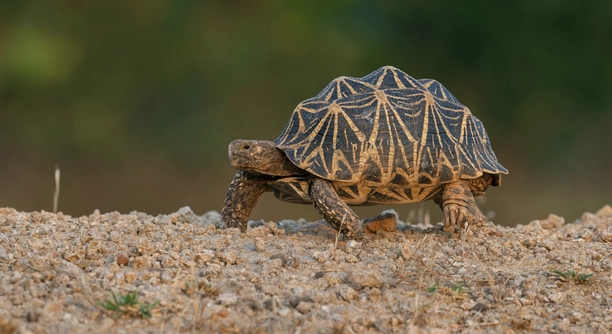
Indian star tortoise hatchlings are delicate and require proper care to grow healthy and strong. Preventing injuries is essential to their development and overall well-being. With attention and precaution, these little tortoises can thrive.
The best way to prevent injuries in Indian star tortoise hatchlings is by providing a safe environment, ensuring they have enough space to move around, and eliminating any potential hazards. Proper care, handling, and habitat maintenance also play significant roles.
Taking steps to protect your hatchlings will allow them to grow without unnecessary harm. Proper management ensures their safety and contributes to their long-term health.
Creating a Safe Habitat for Indian Star Tortoise Hatchlings
Providing the right environment is one of the most important steps in preventing injuries to your Indian star tortoise hatchlings. A spacious, secure habitat with proper bedding, a heat source, and hiding spots will help reduce the risk of harm. Ensure there are no sharp objects, hard surfaces, or items that could be harmful. The temperature should be regulated to mimic their natural habitat, allowing them to stay active and healthy. Substrate, such as soft sand or coconut coir, can create a safe environment for them to explore without injury. Proper lighting also supports their well-being, promoting essential behaviors like feeding and basking.
You should also pay attention to their enclosure’s size. Hatchlings can get hurt if their living space is too small. Adequate space allows them to move freely and safely.
When setting up their home, make sure it’s escape-proof. Tortoise hatchlings are curious and may try to explore areas beyond their safe zone. A secure lid or barrier ensures they stay in their habitat.
Avoiding Common Hazards
Hatchlings are often unaware of potential dangers in their environment. Even seemingly harmless objects can cause harm. For example, decorative rocks or sticks in the enclosure might lead to falls or accidental injuries. Regularly check the habitat for any new risks. Keeping the area clean and free of debris is key to preventing accidents.
Additionally, be mindful of the water source. Shallow water dishes or pools work best, as deep containers can pose a drowning risk. By maintaining a proper water level, you can ensure your hatchlings have access to hydration without the danger of getting trapped.
Proper Handling Techniques for Hatchlings
Handling Indian star tortoise hatchlings gently is crucial to prevent injury. Always support their body properly, especially their legs and shell, to avoid unnecessary stress or harm. Hold them firmly but not too tight, as this can cause fractures or other issues. When moving them, keep their movements minimal to avoid accidents.
Avoid lifting them by their legs, as this can cause dislocations or bruising. Instead, support their entire body with both hands, ensuring they feel secure. Handling should be done as infrequently as possible to limit the risk of injury and stress. It’s best to let them explore their environment naturally without much interference.
Monitoring and Adjusting Their Diet
A well-balanced diet is vital for the growth and health of hatchlings. Offer a variety of food options like leafy greens, grass, and occasional fruits to ensure proper nutrition. Avoid feeding them foods that are too hard or large, as they can cause choking or digestive issues.
Be mindful of portion sizes. Overfeeding can lead to obesity, while underfeeding can cause malnourishment. Providing food that’s easy to eat and digest ensures that your hatchlings can maintain their health without putting too much strain on their bodies. Offering fresh, clean water daily is equally important for hydration and digestive health.
Preventing Accidental Falls
Ensure that the enclosure is free of steep surfaces or anything that could cause your hatchlings to fall. High platforms or uneven ground should be avoided, as these pose a serious risk of injury. Use gentle ramps if needed, ensuring they are not too steep.
Having a secure base is also crucial. Hatchlings may try to climb or explore, and a stable surface helps avoid falls. Keeping their habitat flat and smooth, while still engaging, prevents them from attempting risky moves. A safe and level floor reduces the chances of accidents that can harm young tortoises.
Temperature and Humidity Control
Maintaining proper temperature and humidity levels is key to your hatchlings’ well-being. Keep the environment within the ideal range for Indian star tortoises, which is around 85-90°F during the day with a drop to 75°F at night. The humidity should remain between 50-70%.
If you can’t maintain these levels naturally, use heat lamps, UVB lighting, or humidifiers. Regularly monitor temperature and humidity with thermometers and hygrometers to avoid sudden changes that could stress the hatchlings. Correcting imbalances can prevent health problems and injuries from environmental stress.
Minimizing Stress During Vet Visits
Taking your hatchlings to the vet can be stressful, so it’s essential to make the visit as smooth as possible. Keep them calm by using a safe, secure carrier and providing a familiar object from their habitat, like a small piece of substrate.
Handling them gently during the visit and keeping interactions minimal will help reduce anxiety. Stress can make them more susceptible to injury, so try to keep these trips infrequent unless necessary for their health.
FAQ
How can I tell if my hatchling is injured?
Look for signs like abnormal movements, limping, or visible swelling. If your hatchling is eating less or hiding more than usual, it may be a sign of injury. Always check their shell for cracks or abrasions. If any of these signs appear, seek a vet’s advice immediately.
Is it safe to house multiple hatchlings together?
While it’s possible to house multiple hatchlings together, it’s important to ensure they have enough space. Overcrowding can lead to stress and territorial behavior. If you notice any signs of aggression or fighting, separate them to prevent injury. Always observe their interactions and ensure they’re comfortable.
What should I do if my hatchling is flipping onto its back?
Hatchlings may occasionally flip onto their backs, but this can be dangerous if left unattended. Gently turn them back over to prevent stress or injury. Regularly check their habitat for any obstacles that could cause them to flip over. Make sure there are no steep surfaces that might contribute to the issue.
Can I use a heat pad for my hatchling’s enclosure?
A heat pad can be used, but it should be placed under the enclosure, not inside. It should also be carefully regulated to avoid overheating, as excessive heat can cause burns or dehydration. Monitor the temperature to ensure it remains within the proper range for hatchlings.
How do I clean my hatchling’s habitat safely?
To clean the habitat, remove all waste and uneaten food daily. Use a reptile-safe cleaner to disinfect surfaces every week. Avoid harsh chemicals that could harm your hatchling. Be sure to rinse and dry everything thoroughly before putting your hatchling back in its enclosure.
What is the ideal humidity level for hatchlings?
Indian star tortoise hatchlings need a humidity level between 50-70%. Too much humidity can cause respiratory issues, while too little can lead to dehydration. Use a hygrometer to keep track and adjust humidity by misting the enclosure or using a humidifier as needed.
How often should I feed my hatchling?
Feed your hatchling every day, providing fresh, clean food. Their diet should include a variety of leafy greens, grasses, and small amounts of fruits. Overfeeding can lead to obesity, so offer appropriate portion sizes. Remove any uneaten food after a few hours to keep their habitat clean.
What should I do if my hatchling isn’t eating?
If your hatchling isn’t eating, check for environmental issues first. Ensure the temperature and humidity are correct. Stress or injury could also cause them to stop eating, so make sure they feel safe and are not being handled too much. If the problem persists, consult a vet.
Can my hatchling live in a glass tank?
Glass tanks can be used, but ensure the enclosure is large enough to provide plenty of space for your hatchling to move around. Glass can make it harder to regulate temperature and humidity, so you may need to monitor it more closely. A well-ventilated tank with secure sides is best.
How can I help my hatchling shed properly?
Hatchlings shed their skin regularly as they grow. Ensure that humidity levels are appropriate to help with the shedding process. A shallow water dish and regular misting can assist in loosening the skin. Never pull off the shed; allow it to come off naturally.
Do hatchlings need UVB lighting?
Yes, UVB lighting is essential for hatchlings to metabolize calcium properly and prevent metabolic bone disease. Ensure the light is placed at an appropriate distance to provide the right amount of exposure without causing overheating. Replace UVB bulbs every six months for maximum effectiveness.
How long does it take for my hatchling to grow?
Indian star tortoise hatchlings grow slowly. It may take several years before they reach their full size. However, with proper care, they should grow steadily. Growth rates vary, but with a healthy diet and environment, you can expect them to grow several inches each year.
Final Thoughts
Caring for Indian star tortoise hatchlings requires attention to detail and patience. They are delicate creatures that need a proper environment to thrive. Providing the right temperature, humidity, and food will ensure your hatchlings grow up healthy. Handling them with care is equally important to prevent accidental injuries. Hatchlings are easily stressed, and their growth can be affected by environmental changes or rough handling. By following the necessary steps, you can help your hatchlings live a healthy and comfortable life.
Remember that a clean and safe habitat is essential for their well-being. Regularly check their enclosure to make sure it’s free of hazards and maintains the right conditions. Proper diet and hydration are crucial as well, so make sure you’re feeding them appropriate foods and providing fresh water daily. If you notice any changes in behavior or signs of injury, it’s important to address them right away. Timely action will prevent more serious health problems down the road. Keeping their space clean, dry, and properly lit helps to minimize stress, keeping your hatchlings in a better state overall.
Lastly, don’t forget to monitor their health regularly. If you notice any signs of illness or discomfort, it’s best to consult a vet who specializes in reptiles. Regular check-ups can catch issues early and ensure your hatchlings continue to develop well. Being proactive about their care will not only help prevent injuries but also contribute to their long-term health. With the right care and attention, your Indian star tortoise hatchlings will grow into healthy and happy adult tortoises.

Hello,
If you enjoy the content that we create, please consider saying a "Thank You!" by leaving a tip.
Every little bit helps us continue crafting quality advice that supports the health, happiness, and well-being of pets around the world, for pets of all shapes, sizes, and species.
We really appreciate the kindness and support that you show us!