
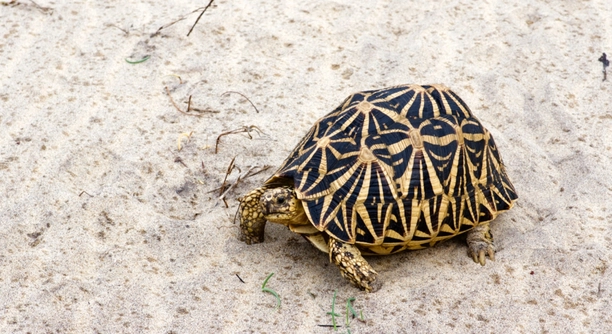
Indian Star Tortoises are fascinating creatures with unique reproductive behaviors. Understanding their breeding habits can help in conservation efforts and promote better care in captivity. Their reproduction is a complex process that requires careful observation and knowledge.
The Indian Star Tortoise reproduces through internal fertilization, with the female laying clutches of eggs that incubate for around 120 to 150 days. Mating occurs during the rainy season, and hatchlings typically emerge during the monsoon months, depending on environmental conditions.
Exploring the details of their reproduction reveals important insights into how we can support their species in the wild and captivity.
Mating Habits of Indian Star Tortoises
The mating behavior of Indian Star Tortoises typically takes place during the rainy season, when environmental conditions support their reproductive cycle. Males may become more territorial and vocal, using specific sounds and actions to attract females. During this time, males often engage in head-bobbing displays and gentle nudging to assert dominance. Once a female is receptive, copulation occurs. The act is relatively brief, and the female may store sperm for several months, fertilizing her eggs when the conditions are right. It’s a fascinating adaptation, allowing her to control when the eggs are fertilized.
The female’s ability to store sperm ensures that she can produce offspring at the most favorable time for survival. This helps in maintaining the species, particularly during times when resources are abundant, such as after heavy rains.
Once fertilized, the female digs a nest in the ground to lay her eggs. She covers the nest with soil and leaves to protect the eggs from predators and environmental stress. The entire process reflects the tortoise’s highly evolved methods for surviving in its natural habitat.
Incubation and Hatchling Development
After the female lays her eggs, the incubation period begins. The eggs require careful environmental conditions to ensure successful development. Temperature plays a major role, as eggs incubated at higher temperatures tend to hatch earlier. During this time, the female does not provide any direct care to the eggs, leaving them to incubate in the nest she created.
The hatchlings emerge from their eggs after several months, typically coinciding with the arrival of the monsoon season. They are independent from birth and must immediately begin searching for food and shelter. The survival of the hatchlings is highly dependent on their ability to adapt to the environment, avoiding predators and finding suitable habitats to grow. Understanding these conditions is key to ensuring their long-term survival.
Factors Influencing Egg Laying
The egg-laying behavior of the Indian Star Tortoise is influenced by environmental factors, including temperature, humidity, and the availability of suitable nesting sites. These conditions determine not only when eggs are laid but also the success rate of hatching.
Females prefer to lay their eggs in areas with soft, sandy soil where they can easily dig a burrow. The humidity levels in the environment also play a crucial role in egg development. If the humidity is too low, the eggs may dry out, reducing the likelihood of successful hatching. Conversely, high humidity can cause eggs to become too moist, leading to fungal infections. Therefore, females choose nesting locations carefully to ensure the best conditions for their offspring.
To help protect eggs from external threats, female tortoises cover the nest with soil and vegetation after laying. This not only camouflages the nest but also provides some protection from predators. Their ability to adapt to these factors greatly enhances the likelihood of successful reproduction.
Hatchling Survival and Environmental Threats
The survival rate of Indian Star Tortoise hatchlings is influenced by various environmental factors. Predation is a significant threat, with birds, mammals, and other reptiles preying on vulnerable young tortoises.
To combat these threats, hatchlings rely on their natural camouflage, blending into their surroundings to avoid detection. They also move quickly to find shelter, using their strong, protective shells for defense. However, even with these adaptations, the young tortoises are still vulnerable during their early life stages. Their success depends on finding a suitable habitat that offers both food and protection from predators.
Aside from predation, environmental changes such as habitat destruction and pollution also pose serious threats to hatchling survival. Deforestation and urbanization reduce the number of safe nesting sites, while pollution impacts the overall health of the tortoises and their environment. Ensuring the safety of their habitats is essential for increasing hatchling survival rates.
Role of Temperature in Reproduction
Temperature plays a significant role in the reproductive process of the Indian Star Tortoise. The climate influences both mating behaviors and the incubation period of the eggs.
In warmer conditions, the tortoises tend to breed more actively, as higher temperatures trigger their mating behavior. Similarly, eggs incubated at higher temperatures often hatch sooner, but the sex of the hatchlings may also be influenced by temperature. Warmer incubation temperatures generally result in more male tortoises, while cooler temperatures favor female hatchlings. This temperature-dependent sex determination is crucial for maintaining a balanced population.
Nesting Behavior and Protection
Indian Star Tortoises are highly protective of their eggs, ensuring the best chances for hatching success. After laying, females cover their nests to protect the eggs from both environmental dangers and predators.
The covering provides a protective barrier against the sun, helping maintain the necessary humidity and temperature for the eggs to develop properly. This behavior reflects their natural instinct to secure the eggs until hatching. Without this protection, eggs are more vulnerable to drying out or being eaten by predators. Females invest time and energy into creating a safe and stable environment for their offspring.
Risks of Captivity on Reproduction
Captivity can negatively impact the reproduction of Indian Star Tortoises. Limited space, improper temperatures, and incorrect diets may affect their reproductive health.
In captivity, the natural mating patterns of these tortoises can be disrupted, leading to challenges in reproduction. Stress from confined spaces can also impact the health of both males and females, potentially leading to reduced fertility rates. Additionally, captive environments that lack natural stimuli may cause changes in their hormonal cycles, affecting egg production and mating behavior. Ensuring proper conditions for captive tortoises is crucial for supporting their natural reproductive processes.
FAQ
How often do Indian Star Tortoises breed?
Indian Star Tortoises typically breed once a year, with mating occurring during the rainy season. However, it’s not uncommon for them to breed every two years, depending on the environment and the availability of resources. Their breeding cycle can be influenced by factors such as temperature, rainfall, and the overall health of the tortoises.
What is the ideal temperature for Indian Star Tortoise eggs to hatch?
The ideal temperature for Indian Star Tortoise eggs to hatch ranges from 28°C to 32°C (82°F to 90°F). At temperatures below or above this range, hatching can be delayed, or the eggs may fail to hatch altogether. These temperatures also affect the sex of the hatchlings, with warmer conditions producing more males and cooler ones resulting in more females.
Can Indian Star Tortoises lay eggs without mating?
Yes, female Indian Star Tortoises can lay eggs without mating. These eggs will be infertile and will not hatch. The process is known as “parthenogenesis,” a form of asexual reproduction. However, for the eggs to be fertilized and develop into viable hatchlings, mating must occur.
How long does it take for Indian Star Tortoise eggs to hatch?
Indian Star Tortoise eggs typically take between 120 to 150 days to hatch, depending on temperature and humidity levels. Warmer temperatures tend to shorten the incubation period, while cooler conditions can extend it. It’s important to maintain stable, warm conditions during incubation to ensure successful hatching.
How can I tell if a female Indian Star Tortoise is gravid?
A gravid female Indian Star Tortoise may exhibit signs such as a swollen belly or noticeable weight gain. She may also start to search for a suitable nesting site. Additionally, her behavior might become more restless as she looks for a place to lay her eggs. A veterinarian can confirm pregnancy through palpation or ultrasound.
Do Indian Star Tortoises require specific conditions to mate?
Yes, Indian Star Tortoises need certain environmental conditions to breed effectively. A temperature range of 26°C to 30°C (79°F to 86°F) is ideal for mating. They also need access to dry areas and space for movement to facilitate courtship and mating. Proper diet and hydration are essential for overall reproductive health.
How do I provide a suitable nesting site for a female Indian Star Tortoise?
A female Indian Star Tortoise requires a soft, well-draining substrate, such as a mixture of sand and soil, to dig her nest. The nesting area should be dry and warm, with a temperature of around 28°C (82°F). Ensure the substrate is deep enough for her to bury the eggs completely. Avoid disturbing the area once she has laid the eggs, as this could cause stress and interfere with the hatching process.
What do I do if I find unhatched Indian Star Tortoise eggs?
If you find unhatched Indian Star Tortoise eggs, it’s important to check for signs of fertility. If the eggs are discolored, damaged, or shriveled, they are likely infertile or not viable. Healthy eggs should be carefully placed in an incubator with stable temperature and humidity levels. If unsure, consulting a reptile expert or veterinarian is always a good option.
What should I feed a gravid female Indian Star Tortoise?
Gravid female Indian Star Tortoises should be fed a balanced diet rich in fiber and calcium. Include dark leafy greens, such as dandelion greens and collard greens, as well as some fruits and vegetables. It’s essential to provide calcium supplements, either through calcium-rich foods or dusting their food with calcium powder to support healthy egg development.
How can I help hatchlings survive after they emerge from the egg?
After hatching, Indian Star Tortoise hatchlings need a safe environment to thrive. Ensure they have access to proper food, water, and a warm, humid habitat. Hatchlings should be kept in a well-ventilated enclosure with a warm basking spot and shaded areas. A humidifier or shallow water dish can help maintain the necessary humidity levels for their survival.
Final Thoughts
Indian Star Tortoises have fascinating reproductive behaviors that are influenced by many environmental factors. Understanding these factors can help ensure that both wild and captive tortoises thrive during their reproductive cycle. Their reliance on specific temperatures for mating and incubation is a key element that affects their ability to reproduce successfully. Captive environments must replicate their natural habitats as much as possible to provide the best conditions for breeding. With the right attention to their temperature, humidity, and overall care, Indian Star Tortoises can continue to reproduce and contribute to their species’ longevity.
While temperature plays a major role in their reproduction, it’s also essential to consider the health and well-being of the tortoises. Both males and females need proper nutrition, space, and a stress-free environment to breed effectively. In the wild, they are more likely to have access to the resources they need, but in captivity, it becomes the responsibility of the keeper to ensure these needs are met. This includes offering a balanced diet and creating an environment that mimics the natural conditions they would experience in their native habitats.
Reproduction in Indian Star Tortoises is a delicate process that requires patience and care. By observing their behaviors, understanding the importance of temperature and nesting, and providing a suitable environment, we can help these incredible creatures continue to thrive. It’s important to keep in mind that their reproductive habits and needs may vary slightly depending on their surroundings, but with proper attention, their chances for successful breeding and hatching can increase significantly. By maintaining a healthy, safe environment, we can contribute to the well-being and future of the Indian Star Tortoise.

Hello,
If you enjoy the content that we create, please consider saying a "Thank You!" by leaving a tip.
Every little bit helps us continue crafting quality advice that supports the health, happiness, and well-being of pets around the world, for pets of all shapes, sizes, and species.
We really appreciate the kindness and support that you show us!