
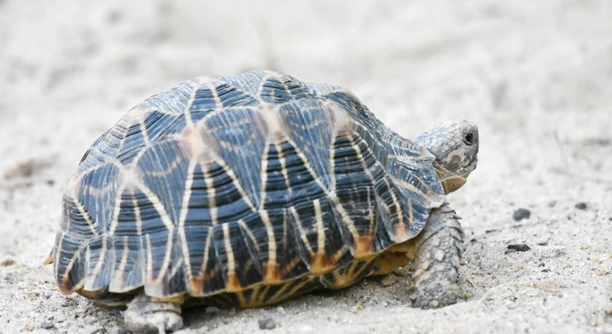
Indian Star Tortoises are fascinating creatures, admired for their unique, starry patterns on their shells. As a pet owner, ensuring the health and well-being of your tortoise is essential, and part of that is checking for signs of shell damage.
Shell damage in Indian Star Tortoises can manifest in several ways, including cracks, soft spots, and discoloration. Recognizing these signs early can help prevent further harm and ensure proper treatment to maintain the tortoise’s health and quality of life.
Understanding the common signs of shell damage will allow you to provide the necessary care and support. Keep reading to learn how to spot and address potential shell problems in your Indian Star Tortoise.
Cracks in the Shell
Cracks are one of the most noticeable signs of damage to an Indian Star Tortoise’s shell. These may appear as fine lines or deep fissures, and they can occur from accidental falls or rough handling. Even if the crack looks small, it’s important to address it right away. Left untreated, cracks can deepen and lead to more serious issues, such as infections. Tortoises are naturally slow-moving, but if they’re placed in unsafe environments, the risk of shell cracks increases significantly.
If you notice a crack, make sure the area is kept clean and dry. If the crack seems deep or doesn’t heal on its own, it’s wise to consult a veterinarian. The veterinarian can provide professional care, such as cleaning the crack and offering recommendations on how to prevent further damage.
Keeping your tortoise in a safe space, away from potential hazards, can help avoid cracks in the future. It’s also important to ensure their enclosure provides enough space for them to move freely without the risk of injury.
Soft or Sunken Areas
Soft or sunken spots on the shell can indicate severe damage or underlying health issues. These areas may appear mushy or lose their typical hardness, which is a sign that something isn’t right. It could be a result of improper care, an unhealthy diet, or even a bacterial infection.
If you spot a soft or sunken spot, it is crucial to monitor the tortoise closely. The skin around the area can become infected if left untreated. Sometimes, this condition is linked to poor nutrition, particularly a lack of calcium, which is essential for strong shell development.
It’s vital to provide a balanced diet for your tortoise, focusing on foods high in calcium and ensuring they have access to proper UV lighting. Additionally, regular vet checkups can help detect early signs of health issues. In cases where the damage is severe, shell treatment may involve medication or, in extreme cases, surgery.
Discoloration on the Shell
Discoloration can appear as yellow or white patches, or even dark spots. This can be a sign of infection, shell rot, or an improper diet. These changes in color can be subtle at first, but if they persist or worsen, it’s essential to pay attention.
Yellow or white spots can indicate shell rot, a fungal or bacterial infection. Shell rot needs immediate care to avoid spreading and causing further damage. A vet might recommend cleaning the affected area and applying topical treatments to prevent infection. In more serious cases, the damaged part may need to be removed surgically.
Discoloration can also be related to an unbalanced diet, often due to a lack of key nutrients like calcium or vitamin D. Ensure your tortoise is getting a variety of foods that support shell health, including leafy greens and appropriate supplements. The right diet, combined with proper lighting, can help prevent future discoloration.
Overgrown Scutes
Overgrown scutes are a common issue with tortoises that aren’t getting enough exercise or the right conditions. The scutes, or plates on the shell, naturally shed as the tortoise grows, but if they become overgrown, they can cause discomfort.
If scutes become too thick, they can start to curl or lift off the shell. This affects the tortoise’s ability to move and may result in injury. It’s important to inspect your tortoise regularly for signs of scute buildup, especially if the tortoise has limited space or isn’t getting adequate UV light.
A proper diet, regular bathing, and UV exposure are vital for maintaining healthy scutes. If overgrowth occurs, a vet might need to trim the scutes carefully. This should never be done without professional advice, as trimming improperly can cause further harm. Regularly cleaning your tortoise’s shell can also help prevent this condition.
Shell Pitting
Pitting refers to small indentations on the surface of the shell, often caused by bacterial infections or poor living conditions. These pits can create rough areas that affect the shell’s appearance and structure. Over time, if not treated, pitting can worsen and lead to deeper damage.
Poor humidity levels and unsanitary environments are common causes of pitting. When the shell is exposed to excess moisture or poor air circulation, it can become more susceptible to infection. The best way to prevent pitting is by ensuring proper hygiene in the tortoise’s habitat.
Regular cleaning of the enclosure and providing the right humidity can go a long way in preventing shell pitting. If the damage is already present, consult a veterinarian who may prescribe topical treatments or medications. Timely care is essential to prevent further deterioration.
Shell Rot
Shell rot is a serious condition that causes the shell to soften and break down. It is usually caused by bacterial or fungal infections, often from wet, unsanitary conditions. This condition can progress quickly and should not be ignored.
In the early stages, shell rot may appear as dark spots or soft, discolored areas. If left untreated, the infection can spread and cause deeper tissue damage. Prevent shell rot by keeping the tortoise’s enclosure dry and clean. A proper diet and UV exposure also help strengthen the shell’s resistance to infections.
Treatment for shell rot often includes cleaning the affected areas, applying medications, and sometimes even surgery to remove damaged tissue. It’s important to catch it early, as untreated shell rot can be fatal. Regular vet visits are crucial for prevention and treatment.
Improper Shell Shape
An improperly shaped shell can result from malnutrition, lack of exercise, or insufficient UV light. An unhealthy shell may appear misshapen or uneven. This can lead to further health complications, as the shape of the shell impacts the tortoise’s ability to move and protect its vital organs.
Improper shell shape can occur in young tortoises who don’t receive enough nutrients or sunlight. Without the proper care, the shell may grow abnormally. Over time, this can cause difficulty in breathing, walking, and even lead to bone deformities.
To maintain proper shell shape, ensure your tortoise gets proper nutrition, including calcium and vitamin D, and access to adequate UVB lighting. Regular exercise and proper care will allow the shell to grow evenly, helping to avoid deformities that can affect your tortoise’s overall health.
FAQ
How can I tell if my Indian Star Tortoise’s shell is damaged?
The first sign of damage is usually visible cracks, discoloration, or soft spots. If the shell feels mushy or shows yellow or white patches, these could be signs of infection or shell rot. Additionally, if your tortoise seems to be in pain or avoids moving, it might be due to shell discomfort. Regularly inspecting your tortoise’s shell for changes is important to catch any damage early.
What should I do if my tortoise has a cracked shell?
If your tortoise’s shell has a crack, clean the affected area gently to prevent infection. Make sure it stays dry and avoid exposing it to unnecessary moisture. A vet visit is necessary if the crack is deep or if it doesn’t heal on its own. Your veterinarian might need to apply a topical treatment or suggest other methods to ensure proper healing. In some cases, they might recommend a splint for added protection.
Can a damaged shell heal on its own?
Minor shell damage, like small cracks or scuffs, can sometimes heal on its own if the tortoise is in a healthy environment. However, more serious damage, like deep cracks or shell rot, requires professional care. It’s crucial to provide the right care, including proper humidity, diet, and UV lighting, to support the healing process.
How do I prevent shell damage in my tortoise?
The best way to prevent shell damage is by providing a safe and clean environment. Ensure that the tortoise’s enclosure is free from sharp objects and hazards that could cause injury. Additionally, provide proper diet, sufficient UV light, and a good substrate to help maintain the strength and health of their shell. Regularly cleaning the habitat and ensuring that your tortoise gets enough exercise are key elements in avoiding shell damage.
Is shell rot treatable?
Yes, shell rot is treatable, but it requires prompt attention. Early signs of shell rot include soft, discolored spots on the shell. If you notice these, it’s important to clean the affected area and consult a vet. Treatment may include disinfecting the area, applying topical medications, or in some cases, surgery to remove infected tissue. The key to successful treatment is catching it early and providing the appropriate care.
Can shell damage affect the tortoise’s overall health?
Yes, shell damage can affect the tortoise’s overall health if not properly addressed. A damaged shell can lead to infections, pain, and difficulty moving, which can affect eating and overall well-being. In severe cases, untreated shell damage like rot or deep cracks can lead to more serious conditions, including organ damage. Therefore, it’s important to regularly inspect the shell and seek veterinary help if needed.
How often should I check my tortoise’s shell for damage?
You should check your tortoise’s shell at least once a week for any signs of damage or changes. During this check, look for cracks, discoloration, soft spots, or overgrown scutes. Regular inspections will help you catch potential problems early before they worsen. Additionally, if your tortoise is more active or has recently had a fall, it’s wise to check for any immediate damage.
What can cause shell pitting in my tortoise?
Shell pitting is often caused by poor living conditions, such as high humidity or excess moisture, leading to bacterial or fungal infections. It can also be a result of improper diet, particularly if your tortoise is lacking essential nutrients like calcium. Shell pitting should be addressed by improving the tortoise’s environment and providing the right nutrition. Consult a vet for treatment if pitting appears.
What are the signs of shell dehydration?
A dehydrated shell may appear dull, brittle, or cracked. In severe cases, the shell may become soft. If your tortoise is not drinking enough water or is not getting the right humidity levels in its enclosure, it may be at risk of shell dehydration. Ensure your tortoise has access to clean water, and maintain proper humidity to keep the shell healthy. Dehydration can also affect the tortoise’s overall health, so proper hydration is vital.
Can I trim my tortoise’s overgrown scutes myself?
Trimming overgrown scutes should only be done by a professional, such as a vet or experienced handler. Improper trimming can cause harm to the tortoise or lead to further complications. If you notice overgrown scutes, it’s best to consult a veterinarian, who will have the right tools and knowledge to safely trim them. At home, you can gently clean the scutes to prevent buildup, but always seek professional advice when it comes to trimming.
How do I keep my tortoise’s shell healthy?
To keep your tortoise’s shell healthy, provide a proper diet that includes calcium-rich foods like leafy greens and vegetables. Ensure that your tortoise gets enough UVB light to help with calcium absorption and shell development. Regular exercise and a clean, dry habitat are essential. Additionally, consider using a substrate that allows your tortoise to dig and roam, as this promotes natural behaviors and helps prevent overgrowth or shell issues.
Final Thoughts
Taking care of an Indian Star Tortoise involves being attentive to its shell health. The shell is crucial for protecting your tortoise and supporting its overall well-being. Regularly checking for signs of damage such as cracks, soft spots, or discoloration is essential for preventing further harm. Timely detection can make a huge difference in the treatment process, helping to avoid serious health issues that could arise from untreated shell problems. Keeping an eye on your tortoise’s shell ensures that small problems don’t turn into bigger ones down the line.
It’s important to provide your tortoise with the right care to maintain a healthy shell. A balanced diet with plenty of calcium and the right lighting are key to preventing common shell issues. UVB lighting is vital for calcium absorption, which helps the shell grow strong and resilient. Additionally, maintaining a clean and safe environment for your tortoise helps protect its shell from damage caused by unsanitary conditions or accidents. Creating a habitat where your tortoise can move around freely reduces the chances of injuries that could lead to cracks or other damage.
If you notice any signs of shell damage or health issues, it’s always best to consult with a veterinarian. They can guide you in treating conditions like shell rot or cracks, and help your tortoise recover. While some minor issues might heal on their own, more serious problems require professional care. Ensuring your tortoise is healthy and comfortable goes beyond just checking for shell damage. It’s about creating a proper living environment, offering the right nutrition, and ensuring that your tortoise has everything it needs to thrive.

Hello,
If you enjoy the content that we create, please consider saying a "Thank You!" by leaving a tip.
Every little bit helps us continue crafting quality advice that supports the health, happiness, and well-being of pets around the world, for pets of all shapes, sizes, and species.
We really appreciate the kindness and support that you show us!