
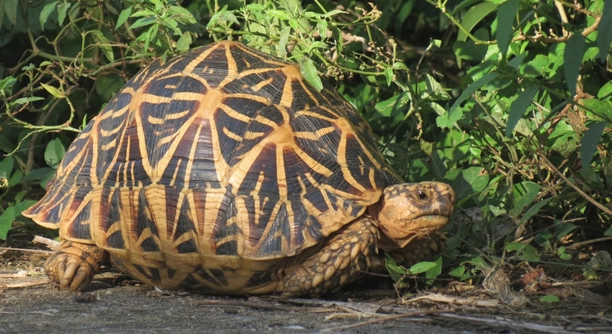
Indian star tortoises are fascinating creatures, known for their beautiful shells and gentle nature. Their diet plays a crucial role in their growth and overall health. Knowing the right nutrients to support their development is essential.
A balanced diet for growing Indian star tortoises should include key nutrients like calcium, vitamin D, fiber, and protein. These nutrients help promote strong bones, healthy shell growth, and proper organ function, ensuring the tortoises thrive.
Understanding these vital nutrients is important for their health and development. Proper nutrition is the foundation for a healthy and thriving Indian star tortoise.
Calcium: Essential for Strong Bones and Shells
Calcium is one of the most important nutrients for growing Indian star tortoises. It plays a vital role in the development of strong bones and a healthy shell. A lack of calcium can lead to brittle shells and deformities. To ensure that your tortoise gets enough calcium, provide leafy greens like collard greens, dandelion leaves, and clover, as well as calcium supplements. Dusting their food with calcium powder a few times a week is a common practice to make sure they meet their calcium needs. Additionally, exposure to natural sunlight is essential for calcium absorption, so placing your tortoise outside during the day or providing UVB lighting is crucial.
Many owners may overlook the importance of calcium, but it is critical for healthy growth. Without it, your tortoise may develop weak bones, leading to difficulty moving and potential health problems.
Offering a calcium-rich diet, combined with proper UVB exposure, ensures your tortoise thrives. Providing these essentials promotes overall health and well-being.
Vitamin D: Helping Calcium Absorption
Vitamin D is necessary for calcium absorption, making it just as vital as calcium itself. Without sufficient vitamin D, the calcium in the diet cannot be utilized properly, leading to bone and shell problems. A balanced level of vitamin D will help keep your tortoise’s bones strong and promote proper shell growth.
Sunlight is the best natural source of vitamin D, but you can also offer vitamin D supplements or UVB lighting in their enclosure. Regular access to sunlight will ensure they are getting the vitamin D they need.
By keeping their exposure to the sun in mind and offering the right supplements, your tortoise’s health and growth will be supported. This step is essential in maintaining their well-being.
Fiber: Crucial for Digestion
Fiber is essential for maintaining healthy digestion in Indian star tortoises. It helps regulate bowel movements and prevents constipation. Offering high-fiber foods like grasses, dandelion greens, and other plant-based items ensures your tortoise gets the necessary nutrients. Fiber also supports their overall gut health and keeps their system running smoothly.
Incorporating fiber into their diet is easy and natural, as these tortoises thrive on plant material. A diet with adequate fiber will keep their digestive system functioning properly, which is crucial for growth. Avoid processed or low-fiber foods that can cause long-term health issues.
Your tortoise’s digestive health depends on a consistent intake of fiber-rich plants. Make sure they have access to these foods regularly to promote proper digestion and overall well-being.
Protein: Supporting Growth and Repair
Protein is important for muscle development and tissue repair in growing tortoises. While they don’t need as much protein as some other species, a small amount is crucial for healthy growth. Including high-quality, plant-based protein sources like legumes and some commercial tortoise pellets will support their development.
Excess protein, however, can lead to shell deformities and other health problems. Moderation is key, and it’s essential to balance protein with other nutrients. High-protein diets may cause kidney problems over time, so it’s best to avoid overfeeding.
Ensure the protein sources you offer are appropriate for your tortoise’s age and size. Carefully balanced protein intake contributes to their healthy growth and overall longevity.
Vitamin A: Promoting Healthy Vision and Skin
Vitamin A is vital for maintaining healthy vision and skin in Indian star tortoises. It helps with cell growth, skin repair, and immune function. Foods rich in beta-carotene, such as carrots and squash, provide a good source of this essential nutrient.
Too much vitamin A can be harmful, so it’s important to provide it in moderation. Offering a variety of vegetables will help prevent deficiencies or overdoses.
A balanced diet with adequate vitamin A supports your tortoise’s overall health, helping them maintain strong skin and good eyesight.
Phosphorus: Supporting Bone Health
Phosphorus works closely with calcium to support strong bones in tortoises. It helps regulate calcium levels and promotes proper growth. A balanced ratio of calcium to phosphorus is essential for bone health, preventing problems like metabolic bone disease.
Excess phosphorus can interfere with calcium absorption, leading to deficiencies. It’s important to monitor your tortoise’s diet to ensure a proper balance of both nutrients. Providing calcium-rich foods alongside phosphorus-rich foods helps maintain this balance.
Offering a proper ratio of these nutrients keeps your tortoise’s bones and shell strong and healthy as they grow.
FAQ
How often should I feed my Indian star tortoise?
Feeding your Indian star tortoise every day is important, especially when they are young and growing. As they mature, you can reduce the frequency to about five times a week. The key is to provide fresh, varied foods each time, ensuring they get the nutrients they need for proper growth.
What types of food should I avoid feeding my tortoise?
Avoid feeding your Indian star tortoise foods that are too high in oxalates or phosphorus, as these can interfere with calcium absorption. Examples include spinach and beet greens. Additionally, avoid giving them processed foods, sugary fruits, or foods that are too high in protein, as this can cause health issues.
Is it necessary to supplement my tortoise’s diet with vitamins?
It is often necessary to supplement your tortoise’s diet with vitamins, particularly calcium and vitamin D. Calcium powder is commonly used, but vitamin D3 can be provided through UVB lighting or natural sunlight. A proper balance of these supplements ensures your tortoise grows strong and healthy.
Can I give my tortoise fruit?
Fruit should be offered in moderation, as it is high in sugar, which is not ideal for your tortoise. While small amounts of fruit like melons, papayas, and berries can be a treat, they should not be the main component of their diet. Focus on leafy greens and high-fiber plants.
Should I be concerned about my tortoise’s weight?
Yes, it’s important to monitor your tortoise’s weight to ensure they are not overweight or underweight. An unhealthy weight can cause problems with shell growth and mobility. Regularly check their size and shape, and adjust their diet and exercise accordingly to maintain a healthy weight.
How can I tell if my tortoise is getting the right amount of calcium?
Signs of calcium deficiency in tortoises include soft or deformed shells, as well as signs of weakness or lethargy. If you notice these symptoms, it may be time to increase their calcium intake through food or supplements. Regular access to sunlight or UVB light can also help with calcium absorption.
Can I feed my tortoise only vegetables?
Yes, vegetables should be the main part of your Indian star tortoise’s diet. A variety of leafy greens, such as dandelion greens, kale, and collard greens, are excellent choices. However, you can include other plant-based foods like flowers and grasses to provide a balanced diet.
Do I need to worry about my tortoise’s hydration?
Yes, proper hydration is crucial for your tortoise’s health. They should always have access to fresh, clean water. While they get some moisture from their food, providing a shallow water dish for them to soak in can help maintain their hydration levels, especially in warm conditions.
How do I know if my tortoise is getting enough UVB light?
UVB light is essential for the production of vitamin D3, which aids calcium absorption. Ensure that your tortoise has access to natural sunlight or use a quality UVB lamp. If your tortoise’s shell appears soft or they show signs of lethargy, they might not be getting enough UVB light.
What should I do if my tortoise is not eating?
If your tortoise isn’t eating, it could be a sign of stress, illness, or improper environmental conditions. Make sure the temperature and humidity levels are correct. Try offering a variety of fresh foods to encourage eating. If the problem persists, consult a veterinarian for advice.
Can I feed my tortoise worms or insects?
Indian star tortoises are primarily herbivores and should not be fed a lot of animal matter. However, occasional insects or worms can provide a protein boost. This should be limited, especially if your tortoise is young or still growing, as too much protein can lead to growth problems.
How long can my tortoise go without food?
Tortoises can go without food for short periods, typically a week or two, especially if they are well-fed beforehand. However, extended fasting is not ideal and can lead to health issues. If your tortoise stops eating for more than a few days, it’s best to seek veterinary advice.
Is it normal for my tortoise to be inactive at times?
Yes, it is normal for your tortoise to be less active during certain times, particularly in cooler weather or during periods of rest. However, if your tortoise seems lethargic for extended periods, especially after eating or during the day, it could be a sign of an underlying health issue.
How can I keep my tortoise’s shell healthy?
To maintain a healthy shell, ensure your tortoise gets plenty of calcium, vitamin D, and proper UVB exposure. Avoid rough surfaces in their enclosure that could cause shell damage. Regularly check their shell for any cracks or deformities, and make adjustments to their diet and environment as needed.
Can I house more than one tortoise together?
Indian star tortoises can live with others, but they should be introduced carefully. Males may become territorial, so it’s best to house them separately unless you have a large space. Always monitor interactions to avoid fighting or stress among multiple tortoises.
What are the signs of a healthy tortoise?
A healthy tortoise will have a firm, well-shaped shell, clear eyes, and active behavior. Their appetite will be consistent, and they will actively roam or soak in water. Regularly checking their shell, movement, and overall behavior helps ensure they are in good health.
Can I let my tortoise roam freely around the house?
It’s not recommended to let your tortoise roam freely around the house, as they could get injured, or the environment may not be suitable for them. An enclosed area with access to sunlight, water, and appropriate temperature is the best environment for them to thrive.
Final Thoughts
Caring for an Indian star tortoise requires attention to detail and commitment to providing a balanced diet and proper environment. These tortoises need a variety of vegetables, some fruits, and a controlled intake of vitamins and minerals to thrive. Their diet must be rich in calcium, vitamin A, and other essential nutrients for healthy growth and shell development. It’s important to avoid overfeeding certain foods and to make sure the balance of nutrients supports their long-term health.
Proper habitat care is just as crucial. The right temperature, humidity, and access to UVB light will help ensure your tortoise gets the full benefits of its diet. Creating an environment where your tortoise feels comfortable and safe can make a big difference in its overall well-being. Regularly checking their health and behavior, along with adjusting their care routine as needed, will ensure they remain active and healthy throughout their life.
Overall, understanding the key nutrients, the balance of their diet, and maintaining their environment is the foundation of good care for your Indian star tortoise. A healthy tortoise will enjoy a long life, and with the right support, you’ll see them grow and thrive. Whether you’re new to caring for tortoises or have experience, ensuring your tortoise gets the right food and care will be rewarding. Keeping them healthy and happy doesn’t require excessive effort, but it does require consistency and attention.

Hello,
If you enjoy the content that we create, please consider saying a "Thank You!" by leaving a tip.
Every little bit helps us continue crafting quality advice that supports the health, happiness, and well-being of pets around the world, for pets of all shapes, sizes, and species.
We really appreciate the kindness and support that you show us!