
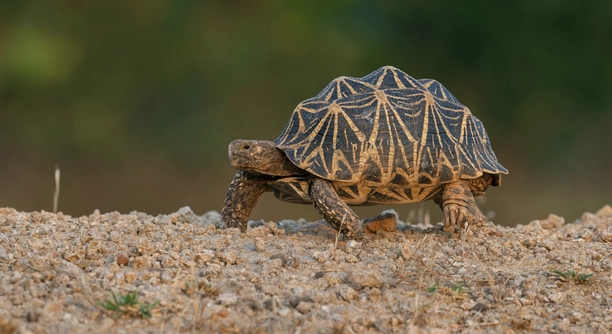
Indian Star Tortoises are fascinating creatures, known for their striking appearance and unique social behaviors. Understanding their interactions can help provide a better environment for them in captivity.
Indian Star Tortoises exhibit various social behaviors, such as communication through body language and vocalizations. They interact with each other in a variety of ways, including forming dominance hierarchies and engaging in mating rituals, which are essential for their well-being.
Exploring these behaviors offers insight into their natural instincts and how they form social bonds.
Communication Through Body Language
Indian Star Tortoises use body language as a primary form of communication. They express themselves through head movements, postures, and shell vibrations. These behaviors help convey messages such as territorial boundaries, mating intentions, and dominance. When a tortoise extends its head or raises its body, it can be signaling aggression or establishing its presence. Conversely, a relaxed body stance indicates comfort and security. Understanding these signals helps ensure that they maintain healthy interactions in their habitats.
Their movements are often subtle but meaningful. When two tortoises encounter each other, one may display a series of slow head bobs to signal dominance or interest in the other. At times, a slight shift in posture can indicate submission, creating an understanding between them.
Body language is crucial for tortoises to navigate their social structure and avoid unnecessary conflict. Over time, observing these signals helps in interpreting their behaviors accurately, which can improve their care and well-being.
Dominance and Territorial Behavior
Indian Star Tortoises exhibit dominance behaviors, especially when they interact with others of the same species. These interactions often involve contests for space or mates. Males, in particular, can become quite territorial. They might engage in head-butting or pushing contests to establish who is in charge.
This behavior plays a significant role in maintaining order within their group. Males often use physical displays to assert dominance during mating seasons, ensuring that they secure a mate. Dominant individuals tend to have better access to resources like food and shelter, which are critical for survival. Their territorial displays help prevent unnecessary conflicts and keep their environment balanced.
Understanding the dominance structure within a group can also help reduce stress among tortoises in captivity. By ensuring enough space and resources, you can create a more harmonious living situation for them.
Mating Rituals and Reproduction
Indian Star Tortoises follow a unique mating ritual where males actively court females. Males engage in head-bobbing and pushing the female’s shell as a way to attract attention. These behaviors ensure that the female is receptive to mating.
The mating process often involves a male following a female for an extended period. He will use his head to nudge her in an attempt to initiate mating. Males are persistent and will continue to display courtship behaviors until successful. Once courtship is accepted, mating can last for several minutes.
After mating, females will often seek out a quiet, secluded area to lay eggs. They dig a nest in soft soil, carefully laying the eggs to ensure they are protected. The entire reproductive process is influenced by environmental factors, such as temperature and humidity, which can affect egg development.
Social Interaction with Other Species
While Indian Star Tortoises tend to be solitary, they do engage with other species. These interactions are typically brief and non-aggressive. Tortoises may share their habitat with other reptiles, amphibians, or small mammals, but they generally maintain a peaceful coexistence.
Their interaction with other species is mostly limited to passive observation. They may tolerate the presence of others as long as their space is respected. Occasionally, they may engage in behaviors that help them maintain dominance in shared spaces, such as slowly moving toward or around another species. This helps establish boundaries, especially when competing for resources like food or space.
Maintaining a healthy environment where different species coexist requires monitoring their interactions. It’s essential to avoid overcrowding, as this could stress the tortoises. Offering plenty of space and food can reduce tension and ensure that all species remain undisturbed.
Feeding Behavior
Indian Star Tortoises are herbivores, feeding primarily on grasses, fruits, and flowers. Their feeding habits are slow and methodical, often nibbling on vegetation throughout the day. They spend a significant amount of time foraging for food.
Their feeding routine is linked to their natural environment. They are opportunistic feeders, choosing plants based on availability. Tortoises often graze on a variety of vegetation, ensuring they receive balanced nutrition. However, their diet needs to be monitored in captivity to prevent overfeeding or imbalances that can lead to health issues.
Interaction with Environmental Stimuli
Indian Star Tortoises are highly sensitive to their environment. They respond to changes in temperature, humidity, and light, adapting their behavior accordingly. When the temperature drops, they tend to become less active, entering a state of dormancy.
In the wild, they seek out areas that offer protection from extreme heat or cold. In captivity, it’s crucial to recreate such conditions to mimic their natural habitat. This ensures they remain active and healthy, responding appropriately to changes in their surroundings. Ensuring proper heating and humidity levels can greatly impact their well-being.
Sleeping Habits
Indian Star Tortoises typically sleep during the night, retreating to a secure spot in their environment. They are diurnal, meaning they are active during the day, basking in the sun to absorb warmth.
At night, they seek out cool, sheltered locations to sleep, which provide protection from predators. Sleeping patterns are important for their health, as sufficient rest allows for proper digestion and metabolic functioning. Understanding their sleep habits can help ensure they get the right amount of rest needed for overall health.
FAQ
How do Indian Star Tortoises interact with each other?
Indian Star Tortoises often use body language and subtle vocalizations to communicate. They can display dominance through head bobbing and shell vibrations, signaling territory or interest in mating. These behaviors help them avoid unnecessary confrontations while maintaining social structure.
Do Indian Star Tortoises form social groups?
Though they are generally solitary animals, Indian Star Tortoises may form loose associations during the mating season or when resources are abundant. They typically tolerate the presence of other tortoises, as long as their territory is respected. Social interactions are usually brief.
How do Indian Star Tortoises establish dominance?
Dominance is often established through physical displays, such as head-butting or pushing. Males, in particular, engage in these behaviors to claim territory or assert their position within a group. The dominant tortoise will have better access to mates and resources.
Are Indian Star Tortoises territorial?
Yes, Indian Star Tortoises are territorial, especially males. They will defend their space from other males, particularly during the breeding season. Dominance displays help establish boundaries and minimize conflict, ensuring that the tortoises have access to vital resources like food and shelter.
What do Indian Star Tortoises eat?
Indian Star Tortoises are herbivores, primarily consuming grasses, flowers, fruits, and leafy vegetables. They may also eat some cacti and succulents. Their diet should be high in fiber and low in protein to avoid health problems. It’s essential to provide a varied diet for proper nutrition.
How often should I feed my Indian Star Tortoise?
Tortoises should be fed daily, offering a variety of fresh vegetables, grasses, and fruits. The amount of food should be enough to allow them to graze throughout the day without overfeeding. Portion sizes depend on the tortoise’s age and size, with younger tortoises needing more frequent meals.
How can I tell if my Indian Star Tortoise is stressed?
Stress in tortoises can manifest through erratic behavior, such as hiding more frequently or refusing food. Stress can also cause excessive pacing or aggression. Environmental factors, like inadequate space or temperature fluctuations, may contribute to stress. Ensuring the tortoise’s habitat is appropriate can help reduce these issues.
What temperature should I keep my Indian Star Tortoise’s habitat?
Indian Star Tortoises require a warm environment with temperatures between 85-95°F during the day. At night, temperatures can drop slightly to 75-80°F. A basking area with a temperature of 95°F is also essential for proper digestion and activity levels. Consistent temperature control is crucial for their health.
Can Indian Star Tortoises be kept with other reptiles?
While they are generally peaceful, Indian Star Tortoises should be kept with other species cautiously. They may tolerate the presence of other reptiles, such as smaller lizards or non-venomous snakes, but space and resource availability are crucial. Overcrowding can lead to stress and aggression.
How do I maintain humidity for my Indian Star Tortoise?
Maintaining proper humidity is important, especially during shedding. The ideal humidity level is between 50-70%. A shallow water dish and misting the enclosure can help maintain humidity. Avoid overly wet environments, as they can lead to respiratory issues. Providing a humid hide will give your tortoise a place to retreat.
Do Indian Star Tortoises need a companion?
Indian Star Tortoises are generally solitary, so they do not require companionship. They may tolerate the presence of other tortoises but should not be kept in groups unless there is ample space. Overcrowding can cause stress, and tortoises can be territorial, especially males.
How do Indian Star Tortoises reproduce?
Indian Star Tortoises reproduce sexually. During the mating season, males actively court females by displaying head-bobbing and shell nudging. After mating, females lay eggs in a secure, dug-out nest. The eggs are left to incubate in the environment. The hatchlings are independent from birth.
How long do Indian Star Tortoises live?
Indian Star Tortoises have long lifespans, often living 50 years or more in captivity with proper care. In the wild, their lifespan may be shorter due to predators and environmental factors. With a stable habitat and a balanced diet, they can thrive for many decades.
What should I do if my Indian Star Tortoise is not eating?
If your tortoise is refusing food, check for signs of illness or stress, such as lethargy or changes in behavior. Ensure the habitat conditions are optimal—correct temperature, humidity, and lighting. If symptoms persist, consulting a veterinarian experienced with reptiles is advised to rule out health issues.
Can Indian Star Tortoises swim?
Indian Star Tortoises are not aquatic. While they can handle brief exposure to water, they are not good swimmers. They may enjoy soaking in shallow water to hydrate or cool off, but they should never be left in deep water. Their habitats should offer dry areas for resting and feeding.
How do I keep my Indian Star Tortoise healthy?
Maintaining a healthy environment is crucial. This includes providing appropriate temperatures, humidity, and lighting. A varied, balanced diet rich in fiber is also important. Regular checks for parasites and routine visits to a vet can help ensure they remain in good health.
Can Indian Star Tortoises live outside?
In areas with a warm climate, Indian Star Tortoises can live outside in an enclosed, secure yard. However, they need shelter to protect them from predators and extreme weather conditions. It is important to have a secure fence to prevent them from escaping.
What kind of enclosure is best for Indian Star Tortoises?
A spacious enclosure with both warm and cool areas is best. It should provide enough space for grazing and hiding. Tortoises also need UVB lighting to maintain their health, especially if kept indoors. A substrate such as coconut coir or soil is ideal for burrowing.
How do I know if my Indian Star Tortoise is healthy?
Healthy tortoises are active, eat regularly, and have clear eyes and a clean, firm shell. Their breathing should be steady, with no signs of wheezing or nasal discharge. Monitoring their behavior, eating habits, and physical condition will help you identify potential health problems early.
What diseases affect Indian Star Tortoises?
Common diseases include respiratory infections, shell rot, and parasites. Poor husbandry conditions, such as improper humidity or temperature, can lead to respiratory issues. Shell rot is often caused by an injury or prolonged wet conditions. Regular health checks and proper care can help prevent these problems.
Final Thoughts
Indian Star Tortoises are fascinating creatures, known for their unique behavior and remarkable adaptability. They may not be as social as some other reptiles, but they do have ways of interacting with their environment and each other. Understanding their natural behaviors and providing an appropriate habitat is key to their well-being. It’s essential to replicate their natural environment as much as possible to keep them healthy and stress-free. Offering a varied diet, proper heating, and space for grazing are vital aspects of keeping these tortoises thriving.
As with any pet, the care of Indian Star Tortoises requires patience and attention. Their long lifespan means they will be part of your life for many years, making it important to understand their needs and how they evolve over time. Regular check-ups with a reptile veterinarian can help spot issues early, and ensuring that they have enough space to roam and explore their surroundings is essential. These tortoises may not need constant interaction, but a well-maintained environment will keep them happy and active.
In conclusion, if you are considering adopting an Indian Star Tortoise, be sure to take into account the long-term commitment involved. Providing a proper environment, balanced diet, and regular health checks will lead to a rewarding experience for both you and your tortoise. With their fascinating social behaviors and unique characteristics, Indian Star Tortoises can make wonderful companions when cared for properly.

Hello,
If you enjoy the content that we create, please consider saying a "Thank You!" by leaving a tip.
Every little bit helps us continue crafting quality advice that supports the health, happiness, and well-being of pets around the world, for pets of all shapes, sizes, and species.
We really appreciate the kindness and support that you show us!