
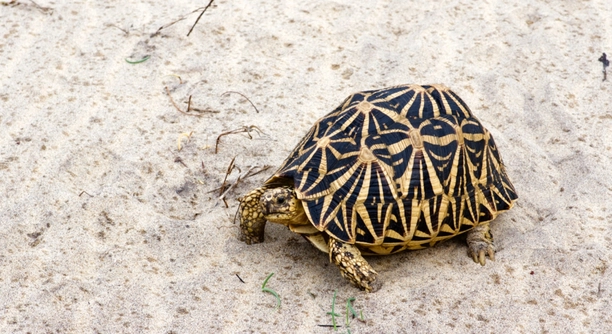
Indian star tortoises are fascinating creatures, but sometimes their activity levels may not meet expectations. Encouraging healthy activity is crucial for their well-being, and with the right approach, they can become more active and engaged in their environment.
To improve your Indian star tortoise’s activity levels, provide a suitable habitat with plenty of space and stimulation. Ensure proper lighting, temperature, and humidity conditions, as these factors significantly impact their behavior and overall activity.
Taking the necessary steps can help your tortoise stay active and healthy. Continue reading for practical tips and advice on enhancing your tortoise’s activity levels.
The Importance of Proper Habitat for Indian Star Tortoises
A well-designed habitat plays a significant role in the activity levels of your Indian star tortoise. These tortoises need enough space to roam and explore. A small, cramped enclosure can limit their movement and lead to a lack of interest in their surroundings. When setting up their environment, provide a large tank or outdoor space with varied terrain, such as rocks, plants, and areas to dig. This will encourage natural behavior and physical activity.
Proper lighting and temperature control are essential. UVB lighting helps tortoises synthesize vitamin D3, which is crucial for their bone health and overall energy levels. A basking area with temperatures between 90-95°F, combined with a cooler area of 75-85°F, will mimic their natural habitat, helping them stay active.
Humidity levels should also be maintained between 50-70% to replicate their native environment. Dehydration can lead to lethargy, so always provide fresh water for drinking and soaking. By ensuring the right habitat, you can significantly improve your tortoise’s activity levels, creating an environment that promotes health and vitality.
Offer a Balanced Diet
The diet you provide influences your tortoise’s energy levels. Feed a mix of leafy greens, vegetables, and occasional fruits to keep your tortoise active.
A balanced diet ensures your tortoise gets the nutrients it needs to remain energetic. Calcium and fiber-rich foods like dandelion greens and clover can help support shell and bone health.
Provide Adequate Enrichment
Enrichment is key to encouraging activity in Indian star tortoises. Simple objects like logs, rocks, and tunnels can make a big difference.
A variety of textures and obstacles to climb or hide under will keep your tortoise physically engaged. These enrichment activities stimulate their curiosity, preventing boredom. Adding live plants also provides a more natural experience, as tortoises enjoy browsing and foraging. When they have space to explore and interact with different textures, they become more active and stimulated.
You can also rotate toys and objects regularly to maintain interest and challenge them. This will prevent their environment from becoming monotonous and encourage movement, which is essential for their health.
Keep a Regular Routine
Tortoises thrive on routine, especially when it comes to feeding and lighting schedules. Stick to consistent feeding times and maintain the same lighting and temperature cycles each day.
A set routine creates a predictable environment for your tortoise, reducing stress and promoting more activity. Tortoises are more likely to engage with their surroundings when they know what to expect. Regular exposure to natural light helps to regulate their internal clocks, ensuring they stay active and alert during the appropriate times of the day.
Avoid Overfeeding
Overfeeding can lead to lethargy in tortoises. Ensure you are providing the right amount of food.
Feeding too much can cause weight gain, which impacts their mobility. A balanced portion based on your tortoise’s size and age will help prevent this. Monitor their intake closely and avoid overfeeding high-calcium foods to prevent health issues.
Provide Outdoor Time
Outdoor time offers a chance for your tortoise to explore a larger space, which encourages activity.
Natural sunlight can also provide the UVB rays necessary for their health. Ensure the outdoor area is secure and free from hazards like predators, chemicals, or harmful plants.
FAQ
How much space does an Indian star tortoise need?
Indian star tortoises need plenty of space to roam. For a single tortoise, a 4-foot by 2-foot enclosure is a minimum, though larger spaces are better. The more room they have to move around, the more active they will be. If you are keeping multiple tortoises, increase the size accordingly to avoid overcrowding.
What temperature should my tortoise’s habitat be?
The temperature should range from 75°F to 85°F in the cooler part of the habitat and 90°F to 95°F in the basking area. This range mimics their natural environment and helps regulate their activity levels. Ensure your tortoise has access to both warm and cool areas to stay comfortable and active.
How often should I feed my Indian star tortoise?
Feed your tortoise every other day, offering a variety of leafy greens, vegetables, and occasional fruits. Too much food at once can lead to inactivity and weight gain. Stick to appropriate portion sizes based on their age and size.
Can my tortoise live outside?
Yes, Indian star tortoises can live outside, but you must ensure the area is safe, secure, and free from potential dangers like predators. The outdoor environment should have access to natural sunlight for UVB exposure and areas for hiding and exploring. Keep in mind that weather conditions and temperature must be suitable for your tortoise.
How can I tell if my tortoise is too lethargic?
A lethargic tortoise may spend a lot of time hiding or not moving around as usual. They might also eat less or show signs of disinterest in their environment. If you notice a sudden decrease in activity or appetite, check their habitat’s conditions and consult a vet if necessary.
How can I get my tortoise to exercise more?
Provide an enriching environment with obstacles like rocks, logs, and tunnels to encourage movement. Outdoor time is also a great way to promote exercise. Additionally, you can offer food in different locations to encourage your tortoise to explore and forage. Regularly change their environment to keep things interesting.
Do Indian star tortoises need special lighting?
Yes, UVB lighting is crucial for their health. This helps them produce vitamin D3, which is necessary for calcium absorption and shell development. Ensure they have 10-12 hours of light each day. Without UVB lighting, they may become lethargic and develop health issues over time.
What are common health problems in Indian star tortoises?
Indian star tortoises can suffer from respiratory infections, shell rot, and metabolic bone disease, often due to improper habitat conditions. To prevent health issues, maintain the right temperature, humidity, and lighting. A well-balanced diet is also essential for their overall well-being.
Can my tortoise interact with other animals?
It’s best to avoid letting your tortoise interact with other pets, especially cats and dogs. They may be too aggressive or curious, potentially causing stress or injury. If you want to introduce other tortoises, ensure they are compatible and monitor their behavior closely to avoid territorial disputes.
How can I prevent my tortoise from getting overweight?
Overfeeding and a lack of exercise are the main causes of obesity in tortoises. Stick to the proper feeding schedule and portion sizes. Offer a variety of high-fiber foods, and encourage movement by providing a stimulating environment. Regular outdoor time can also help maintain a healthy weight.
Final Thoughts
Improving the activity levels of your Indian star tortoise requires a combination of proper care, a stimulating environment, and attention to their specific needs. By offering the right habitat, a balanced diet, and regular enrichment, you can help your tortoise remain active and healthy. Tortoises are naturally curious creatures, and providing them with an engaging space will encourage them to explore and move around more often.
It’s important to remember that tortoises thrive on routine. Consistent feeding schedules, proper lighting, and temperature control can make a significant difference in their activity levels. Establishing a predictable routine not only helps your tortoise feel secure but also supports its natural behaviors. A stable environment, both indoors and outdoors, will foster a more active lifestyle for your tortoise.
Ultimately, the key to boosting your tortoise’s activity is to ensure it has everything it needs to stay physically and mentally stimulated. With the right care and attention, your tortoise will remain lively and engaged, improving its overall well-being.

Hello,
If you enjoy the content that we create, please consider saying a "Thank You!" by leaving a tip.
Every little bit helps us continue crafting quality advice that supports the health, happiness, and well-being of pets around the world, for pets of all shapes, sizes, and species.
We really appreciate the kindness and support that you show us!