
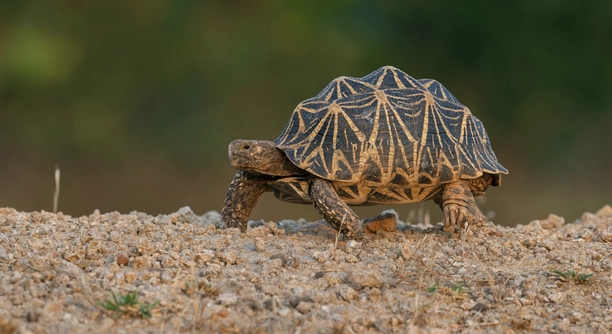
Indian Star Tortoises are known for their unique eating habits, often leaving fresh food uneaten. This behavior can be puzzling for their owners, especially when they provide a variety of healthy food options for their pets.
One reason your Indian Star Tortoise may avoid fresh food is stress, environmental changes, or lack of familiarity with new foods. A tortoise’s diet should be consistent, offering foods they recognize and feel comfortable with in a stress-free environment.
Understanding these factors will help you ensure your tortoise’s comfort and health, making it easier to manage their eating habits and provide the best care possible.
Stress and Environmental Changes
Stress plays a big role in why your Indian Star Tortoise may avoid fresh food. These tortoises are sensitive to changes in their environment. Anything from a new home, a shift in lighting, or even a change in routine can cause stress. Tortoises thrive in stable environments, and too many changes can make them anxious. A stressed tortoise may refuse to eat or only nibble on food that feels familiar or comforting.
It is important to ensure that their enclosure remains consistent and free of unnecessary disturbances.
If you notice your tortoise behaving unusually, consider any recent changes. Providing a calm, familiar space will help reduce stress. Additionally, be mindful of their diet, offering foods they enjoy in a familiar setting. Over time, this can encourage a more consistent feeding pattern.
Offering New Foods
Introducing fresh foods too quickly can also lead to food aversion. If your tortoise isn’t used to a new item, it may not show interest. Gradually adding new items to their diet, along with their regular favorites, is key to encouraging healthy eating habits.
Some tortoises prefer a specific texture or smell and may avoid food that doesn’t meet their preferences. Mixing familiar greens with a small amount of new food might encourage them to try it.
Avoid overwhelming your tortoise with too many changes. When introducing new foods, be patient and offer them regularly without forcing the issue. Eventually, your tortoise may become more comfortable with the variety, helping them enjoy fresh foods and maintain a balanced diet.
Temperature and Lighting Issues
Temperature and lighting can significantly impact your tortoise’s appetite. If the enclosure is too cold, it can cause your tortoise to become lethargic and uninterested in eating. Similarly, improper lighting can disrupt their natural behavior, making them less likely to feed.
Make sure the temperature stays between 80°F and 85°F during the day, with a basking spot of about 90°F. At night, the temperature can drop to 70°F. Additionally, ensure they have access to UVB lighting for 10 to 12 hours daily to support their digestion and overall health.
A poorly lit environment or one that is too cold can discourage your tortoise from eating, so it’s crucial to keep their enclosure in optimal conditions. With proper temperature and lighting, your tortoise should feel more comfortable and likely to approach fresh food.
Health Concerns
Health issues can also cause a tortoise to stop eating. Problems such as respiratory infections, gastrointestinal issues, or parasites can lead to loss of appetite. If your tortoise consistently avoids fresh food and shows other signs of illness, it’s important to consult a veterinarian.
Common symptoms to watch for include lethargy, nasal discharge, or a swollen abdomen. If you notice any of these signs, a visit to the vet will help determine the cause and provide treatment.
Ignoring a health issue could lead to further complications, so it’s best to address any concerns early. With proper care and treatment, your tortoise can get back to a healthy eating routine.
Overfeeding and Feeding Routine
Overfeeding can lead to an uninterested tortoise. If your tortoise is consistently offered food, they may become less inclined to eat fresh items. It’s important to regulate their feeding routine and ensure they aren’t being overfed.
Try offering food once or twice a day, giving them a chance to eat and digest properly. This keeps their hunger consistent and can motivate them to eat fresh food. Over time, you’ll notice their eating habits improving as they stick to a healthy routine.
Wrong Food Choices
Not all food is suitable for your tortoise. Some types of vegetables or fruits may not be appealing or even safe for them. Understanding what is appropriate for their species will help in offering the right fresh food.
Stick to a diet of leafy greens, grasses, and a few fruits. Avoid offering foods high in oxalates or phosphorus, such as spinach or lettuce, as these can cause health problems. Providing a variety of safe, fresh food will keep your tortoise happy and healthy.
Lack of Hydration
Dehydration can affect your tortoise’s appetite. If your tortoise isn’t drinking enough water, it may avoid eating. Make sure fresh water is always available, and consider adding water-rich vegetables to their diet.
If you notice a lack of interest in food, try offering moist greens like dandelion leaves or cucumbers. This will encourage hydration and may help restore their appetite.
FAQ
Why is my Indian Star Tortoise avoiding fresh vegetables?
Your tortoise may avoid fresh vegetables due to stress, unfamiliarity with the food, or simply because they have become accustomed to a limited diet. Gradually introduce new vegetables and maintain a consistent feeding routine. Offering a variety of familiar options alongside new ones can encourage your tortoise to try different foods.
Can I feed my Indian Star Tortoise fruits instead of vegetables?
Fruits should only be given as a treat and not as a primary food source. Fruits are high in sugars, and too much can cause digestive issues or obesity in tortoises. Stick to leafy greens and grasses for their main diet. A small amount of fruit can be provided occasionally to add variety.
How often should I feed my Indian Star Tortoise?
Tortoises should be fed daily, but portions should be controlled to avoid overfeeding. Offering food once or twice a day is usually sufficient, depending on their age and activity level. Adjust portions based on your tortoise’s size and the amount of food they consume.
Should I change my tortoise’s diet often?
It is best to keep your tortoise’s diet consistent. While offering a variety of safe vegetables is important, frequently changing their food can cause them stress. Stick to a few well-known options that your tortoise enjoys and ensure they are nutritionally balanced.
Can I feed my tortoise flowers?
Yes, certain edible flowers are safe and healthy for tortoises. Dandelions, hibiscus, and marigolds are examples of flowers that provide nutritional value. However, avoid flowers that have been treated with pesticides or chemicals. Always research safe, non-toxic flowers before offering them.
Is it normal for my Indian Star Tortoise to eat less in winter?
Yes, it’s normal for tortoises to eat less during colder months. Their metabolism slows down with the drop in temperature, and they may go into a form of hibernation or brumation. As long as they are not showing signs of illness, eating less in winter is generally nothing to worry about.
How do I know if my Indian Star Tortoise is sick?
Signs of illness include a loss of appetite, lethargy, nasal discharge, swollen eyes, or difficulty breathing. If you notice any of these symptoms, it is essential to seek veterinary care. Prompt attention to health issues can help prevent further complications.
Should I soak my tortoise in water?
Soaking your tortoise in shallow water can help with hydration, especially if they are not drinking enough. It also aids in digestion and helps prevent constipation. However, make sure the water is not too deep, as they should be able to stand comfortably.
How do I provide UVB lighting for my tortoise?
UVB lighting is crucial for your tortoise’s health. Ensure that the light source is positioned within 12 inches of their basking area and that the bulb is replaced every 6-12 months, as UVB output decreases over time. The light should be on for 10 to 12 hours daily to support their vitamin D3 production and calcium absorption.
Can my tortoise eat lettuce?
Lettuce, especially iceberg lettuce, is not ideal for tortoises. It contains little nutritional value and can lead to digestive problems. If you want to feed your tortoise lettuce, opt for darker, nutrient-rich varieties like romaine. Always combine lettuce with other healthy greens.
Is it okay to feed my tortoise commercial tortoise food?
Commercial tortoise food can be used occasionally, but it should not replace fresh vegetables and grasses. Look for high-quality pellets without artificial additives or preservatives. Fresh, natural food should be the main part of their diet, with pellets used sparingly to add variety.
How can I tell if my tortoise is dehydrated?
Signs of dehydration include dry or wrinkled skin, sunken eyes, and a lack of interest in food. If you suspect dehydration, offer fresh water and soak your tortoise in shallow water to help with hydration. If symptoms persist, consult a veterinarian.
Why is my tortoise not moving much?
Lack of movement can be a sign of stress, illness, or poor environmental conditions. Ensure your tortoise’s habitat is at the right temperature and humidity levels. If the environment is optimal and the tortoise still seems sluggish, a visit to the vet is recommended.
How do I encourage my tortoise to eat more?
Consistency and patience are key. Stick to a regular feeding schedule, provide fresh, varied foods, and avoid overfeeding. If your tortoise still refuses food, consider any potential environmental stressors, and make sure their enclosure is comfortable and stress-free.
Is it safe to feed my tortoise mealworms or other insects?
Mealworms and other insects are generally not suitable for an Indian Star Tortoise. They are primarily herbivores and should be fed a plant-based diet. Insects may cause digestive issues and are not necessary for their diet. Stick to leafy greens, grasses, and occasional fruits.
Final Thoughts
It is not uncommon for an Indian Star Tortoise to avoid fresh food, and there are several factors that can contribute to this behavior. Stress, unfamiliar food, overfeeding, or an imbalanced diet can all play a role in why your tortoise might turn away from fresh vegetables or fruits. Understanding the root cause is key to finding the right solution. Over time, by adjusting the feeding routine, offering familiar food alongside new options, and ensuring that your tortoise is not overfed, you can help encourage healthy eating habits. It’s also important to maintain a proper balance in their diet, focusing on fresh greens, grasses, and safe fruits. This can help them remain interested in their food and stay healthy.
Environmental factors also play a significant role in your tortoise’s eating habits. Temperature, lighting, and humidity can all influence how well your tortoise eats. Providing proper UVB lighting and a well-regulated habitat can make a noticeable difference in their overall well-being. A stable and stress-free environment encourages your tortoise to feel more comfortable, which can lead to better feeding behavior. Always ensure they have access to fresh water, and if they seem uninterested in food, consider their hydration levels. Sometimes, dehydration can lead to a loss of appetite. Regular soaking and access to water-rich vegetables can help with hydration.
If your tortoise’s refusal to eat persists despite these changes, it may be time to consult a veterinarian. There could be an underlying health issue that needs attention. A vet can offer valuable advice and check for any potential diseases or infections that may be affecting your tortoise’s appetite. In most cases, however, a change in diet, environment, or feeding routine will help your tortoise get back on track. Patience is key, and small adjustments can lead to significant improvements in their eating habits and overall health. Keep monitoring their behavior and always prioritize their comfort and well-being.

Hello,
If you enjoy the content that we create, please consider saying a "Thank You!" by leaving a tip.
Every little bit helps us continue crafting quality advice that supports the health, happiness, and well-being of pets around the world, for pets of all shapes, sizes, and species.
We really appreciate the kindness and support that you show us!