
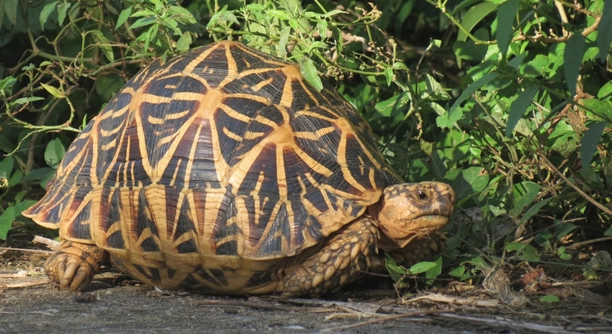
Indian star tortoises are fascinating creatures, but they often face challenges when it comes to eating. This can lead to them being picky eaters, which can be concerning for their owners. Understanding the reasons behind this behavior is important.
Several factors contribute to the picky eating habits of Indian star tortoises. Their diet in the wild is varied, but captivity often limits the variety, leading to a lack of stimulation. Additionally, environmental conditions, such as temperature and humidity, play a significant role.
Recognizing the causes behind their selective eating is the first step in providing better care for these tortoises.
Limited Diet Variety
Indian star tortoises can be quite selective about their food. In the wild, they enjoy a wide range of plants, which helps stimulate their appetite and provide essential nutrients. However, when kept in captivity, their diet often becomes limited. Owners may only offer a small selection of vegetables, grasses, and fruits. This lack of diversity can lead to them refusing certain foods and developing picky eating habits. Additionally, tortoises can become bored with the same food every day, leading to further rejection of meals. Offering a variety of foods can help prevent this issue and encourage them to try new things.
Sometimes, offering food that closely mimics what they would eat in nature helps them feel more comfortable. Even simple changes like adding flowers or wild grasses to their meals can boost their interest. A varied diet provides necessary vitamins and minerals, ensuring a healthier tortoise.
Being mindful of what your tortoise eats and how often you offer variety can make a big difference in their feeding habits.
Environmental Factors
Temperature and humidity play a significant role in the eating habits of Indian star tortoises. They require a warm environment to remain active and healthy. When the temperature is too low, they tend to eat less. Similarly, if their enclosure is too dry or too humid, it can affect their appetite. Keeping the habitat at an appropriate level will support a healthy eating routine.
The key to maintaining proper conditions is consistency. Tortoises are sensitive to changes in their environment, and fluctuations in temperature or humidity can stress them out, which might make them lose interest in food. If you’re noticing that your tortoise is eating less than usual, check its enclosure conditions to ensure they are comfortable. Regular monitoring can prevent many feeding issues and ensure that the tortoise remains active and nourished.
Stress and Anxiety
Stress can significantly impact the eating habits of Indian star tortoises. When they feel stressed, whether from handling, loud noises, or sudden changes in their surroundings, they may refuse food. It’s essential to maintain a calm and quiet environment to help them feel secure.
A tortoise that is frequently disturbed will likely become more anxious and may stop eating. Simple steps like limiting contact and providing a quiet space where they can retreat will help. If your tortoise seems particularly stressed, adjusting its enclosure or adding more hiding spots can create a more comfortable environment for them. This can help reduce their anxiety levels and encourage better eating habits.
Over time, creating a routine that minimizes stress will help your tortoise feel more secure and confident in its surroundings, ultimately improving its appetite.
Health Issues
Health issues are a common reason for picky eating in Indian star tortoises. If they are not feeling well, they may refuse to eat altogether or only nibble on certain foods. Common health problems like respiratory infections or parasites can affect their appetite.
It’s important to keep a close eye on any changes in their behavior. If your tortoise is not eating, shows signs of lethargy, or displays unusual symptoms like discharge from the nose, a visit to the vet is necessary. Addressing these health issues quickly can prevent more serious complications and help get your tortoise back on track. Routine checkups will also ensure that your tortoise stays healthy and continues to thrive.
Monitoring their health is key to avoiding long-term problems. If you’re concerned, don’t hesitate to consult a professional.
Feeding Schedule
Having a consistent feeding schedule helps Indian star tortoises feel more secure about their meals. If feeding times are irregular, they may become less interested in eating. A predictable routine will encourage them to eat regularly.
Try to feed your tortoise at the same time each day. This consistency helps them anticipate when food is available, which can boost their appetite. Also, avoid offering food too close to bedtime, as tortoises tend to eat more during the day. Establishing a stable feeding schedule can reduce stress and lead to healthier eating habits over time.
Food Texture
Texture plays a role in how picky Indian star tortoises are with their food. They tend to favor certain textures, like tender leaves or soft fruits, over harder or fibrous options.
Introducing softer foods like shredded vegetables or moistened leaves can help stimulate their appetite. If your tortoise is rejecting tougher foods, try altering the texture by cutting it into smaller pieces. Providing a balance of both soft and firm foods can keep their interest in meals. Keep in mind that variety in texture also mimics their natural feeding habits.
FAQ
Why is my Indian star tortoise not eating?
There can be several reasons why your tortoise isn’t eating. Common causes include stress, environmental factors like temperature or humidity, limited food variety, or health problems. Stress from loud noises, frequent handling, or changes in their surroundings can cause them to stop eating. It’s essential to keep their environment calm and stable. Make sure the temperature and humidity levels in the enclosure are suitable. If the environment is too cold or dry, they may lose their appetite. Limited food variety can also cause a tortoise to become picky. Offering a range of fresh, nutritious options can help.
How can I get my tortoise to eat more?
To encourage your tortoise to eat more, start by offering a variety of fresh foods, such as dark leafy greens, flowers, and grasses. Try different textures to see what appeals to them. It might also help to slightly moisten the food to make it more attractive. A consistent feeding schedule is essential. Feed them at the same time every day to help them establish a routine. Ensure that the food is cut into bite-sized pieces that are easy for them to manage. Keeping their enclosure clean and comfortable is also important, as a stressed tortoise is less likely to eat.
Should I feed my Indian star tortoise every day?
Yes, Indian star tortoises should be fed every day, but their diet should be properly balanced. While they are herbivores, the food should consist of a mix of leafy greens, vegetables, and some fruits. Offering fresh food daily ensures they get the necessary nutrients to stay healthy. However, portions should be monitored to prevent overfeeding. Overfeeding can lead to obesity, which is harmful to their health. It’s also important to give them a mix of different foods each day to avoid them becoming too selective.
How do I know if my tortoise is healthy?
A healthy Indian star tortoise will have clear eyes, a smooth, clean shell, and will be active during the day. It will also have a good appetite and drink water regularly. If your tortoise seems lethargic, has discharge from its eyes or nose, or shows signs of not eating, it may be unwell. Regular checkups with a veterinarian are essential for maintaining its health. Additionally, be sure to watch for any changes in behavior, such as hiding more than usual, which could indicate stress or illness.
Can I give my Indian star tortoise fruit?
Yes, fruits can be offered to your Indian star tortoise, but they should only make up a small portion of their diet. Fruits like papaya, melon, and strawberries can be provided occasionally. Overfeeding fruits, especially sugary ones, can cause digestive issues or an imbalance in their diet. The majority of their diet should consist of leafy greens and grasses. Fruit should be seen as an occasional treat rather than a regular meal.
Is it okay to handle my Indian star tortoise?
It’s important to minimize handling your tortoise, especially if it’s not accustomed to it. Frequent handling can cause stress, which might affect their eating habits. However, some tortoises become more tolerant of gentle handling over time. If you must handle them, do so briefly and avoid sudden movements. Always ensure that your tortoise feels secure in your hands, and try not to make them feel threatened. Providing a calm environment and respecting their space is key to ensuring their well-being.
How often should I clean my tortoise’s enclosure?
Cleaning your tortoise’s enclosure is important for maintaining their health and encouraging them to eat. The enclosure should be cleaned at least once a week, or more often if it gets dirty quickly. Remove uneaten food daily to prevent it from rotting and attracting pests. A deep cleaning of the entire enclosure should be done every month to ensure that all areas are sanitized. Regular cleaning also helps prevent bacteria buildup, which could lead to infections or other health issues. A clean habitat will also make your tortoise feel more comfortable and safe.
What temperature should my tortoise’s enclosure be?
The ideal temperature for an Indian star tortoise’s enclosure is between 85-90°F (29-32°C) during the day. At night, it can drop to around 75°F (24°C). This range ensures they stay active and healthy. If the enclosure is too cold, they may become lethargic and lose their appetite. A basking spot should be provided with a temperature of around 95°F (35°C) to mimic natural sunbathing conditions. It’s important to monitor the temperature regularly with a reliable thermometer to keep it within the proper range.
Can I feed my tortoise weeds or plants from outside?
Yes, you can feed your tortoise weeds and plants from outside, but it’s essential to ensure they are safe for consumption. Many common weeds are safe for tortoises, such as dandelion, clover, and plantain. However, be cautious about where you collect them, as pesticides or fertilizers may have been used on them. Always research the plants you plan to offer before feeding them to your tortoise. It’s best to stick to non-toxic, pesticide-free plants to avoid harming your tortoise. If you’re unsure, it’s safer to stick with store-bought options.
What should I do if my tortoise refuses to eat for an extended period?
If your tortoise hasn’t eaten for several days or seems lethargic, it could be a sign of a health issue, such as an infection, parasites, or improper enclosure conditions. In this case, it’s crucial to consult with a veterinarian. Sometimes, environmental stressors like temperature fluctuations or a dirty habitat can cause appetite loss. However, if the problem persists despite changes, a veterinary examination is necessary. Don’t wait too long, as not eating for extended periods can lead to dehydration or malnutrition.
Final Thoughts
Indian star tortoises can be picky eaters due to various reasons, including stress, environmental factors, or their natural food preferences. Understanding these reasons can help owners provide a better feeding experience for their tortoises. Ensuring that their enclosure is comfortable, with the correct temperature and humidity, is essential for their overall well-being. A proper environment can help them feel secure and more likely to eat regularly. Stress, whether from frequent handling or sudden changes, should also be minimized to prevent feeding issues. Providing a calm and stable environment is one of the simplest ways to encourage healthy eating habits.
Offering a variety of fresh foods and maintaining a consistent feeding schedule is equally important. Indian star tortoises are more likely to eat if they are presented with different types of food that mimic their natural diet. Foods like leafy greens, edible flowers, and grasses are essential for their diet. Introducing a balance of softer foods and more fibrous options helps them develop healthy eating habits. However, overfeeding them with fruits or other high-sugar foods can lead to digestive problems, so it’s important to stick to a well-rounded diet. Consistency in feeding time can also make them feel more comfortable, knowing when to expect meals.
Lastly, regular monitoring of your tortoise’s health is crucial. A loss of appetite or changes in behavior could signal underlying health issues. If your tortoise continues to refuse food for more than a couple of days, consulting with a veterinarian is a wise decision. Keeping a close eye on their diet, behavior, and physical condition will help ensure their long-term health. With the right approach to their environment, food, and overall care, your Indian star tortoise can maintain a balanced diet and enjoy a healthy life.

Hello,
If you enjoy the content that we create, please consider saying a "Thank You!" by leaving a tip.
Every little bit helps us continue crafting quality advice that supports the health, happiness, and well-being of pets around the world, for pets of all shapes, sizes, and species.
We really appreciate the kindness and support that you show us!