
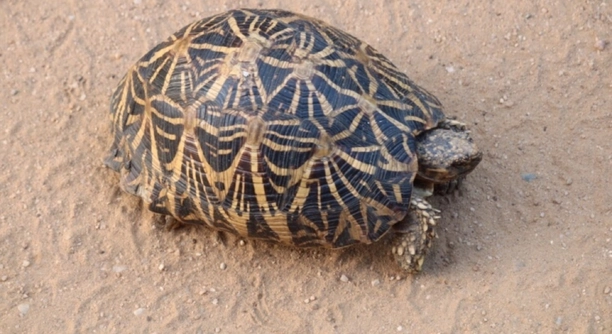
Hibernation is a natural process for Indian Star Tortoises, but managing it effectively requires careful attention. Understanding the signs and preparation steps ensures that your tortoise remains healthy and safe throughout this period.
To manage Indian Star Tortoise hibernation effectively, maintain the proper temperature, humidity, and environment. It is crucial to gradually decrease their food intake and provide a safe, quiet place for them to hibernate to reduce stress.
Knowing these key points will help ensure your tortoise’s hibernation is smooth, supporting their overall well-being and longevity.
Understanding Hibernation in Indian Star Tortoises
Hibernation is an essential part of an Indian Star Tortoise’s life cycle. During the colder months, they naturally slow down their metabolic rate and become less active. This process helps them conserve energy and survive through times when food is scarce. However, without proper care, hibernation can lead to health issues. Recognizing the signs that your tortoise is preparing for hibernation, such as decreased appetite and increased lethargy, will allow you to take the necessary steps to create a suitable environment. Ensuring that your tortoise’s hibernation is managed well can contribute to their overall health.
Preparing for hibernation is not just about letting your tortoise sleep. You must also make sure that the environment remains stable, with temperature and humidity levels carefully controlled. Too cold or too hot can disrupt their hibernation, so it’s important to find the right balance.
While your tortoise is hibernating, make sure they have access to a secure, undisturbed space. Avoid handling them during this time, as it can cause unnecessary stress. Check on their condition regularly to ensure that they are not overheating or dehydrated. This way, you’ll be able to catch any potential issues early. Keep in mind that their health during hibernation largely depends on their conditions beforehand. A tortoise that is in good health before hibernating will have a higher chance of emerging from it safely.
Signs Your Tortoise is Ready for Hibernation
One of the first signs that your tortoise is preparing to hibernate is a significant reduction in their food intake. This is typically followed by noticeable lethargy and decreased activity. You might also notice them seeking out darker, cooler spots in their habitat. These signs suggest that their body is naturally gearing up for the cold months.
Once they show these signs, you’ll need to gradually reduce their food and water intake, which will help them enter hibernation in a healthy state. It is crucial to ensure that your tortoise is not sick before entering hibernation, as they are more vulnerable when inactive. If there are any doubts about their health, it is wise to consult a veterinarian.
Once your tortoise has shown clear signs of slowing down and readying for sleep, you can prepare their environment for hibernation. Make sure the space is free from disturbances and temperature fluctuations, as tortoises need a stable environment to successfully enter this period. Also, ensure that they have adequate access to water before they begin hibernation to stay hydrated. When these steps are followed, hibernation can be an easy and natural process for your tortoise.
Preparing the Hibernation Space
Before your tortoise enters hibernation, make sure their space is safe, quiet, and temperature-controlled. A consistent temperature of around 50 to 60°F (10 to 15°C) is ideal. Avoid places with drastic temperature fluctuations.
A secure, quiet area will keep your tortoise undisturbed. Consider using a hibernation box or a secluded spot in their habitat where they can burrow and feel comfortable. It’s important that they feel secure in this space, as any disturbance could cause them to wake up prematurely. Be mindful of humidity levels too, as too much moisture can lead to health complications.
While they are hibernating, avoid handling your tortoise unless it’s necessary. Check the environment regularly to ensure that it stays consistent. A stable temperature and humidity level will help your tortoise remain in a deep, restful hibernation. Too much light or noise will disrupt their natural cycle, so create an area where they can rest peacefully.
Monitoring During Hibernation
Even though your tortoise is hibernating, it’s essential to check in on them periodically. You should monitor their environment, especially the temperature and humidity levels, to make sure they remain within the right range.
If your tortoise shows signs of distress, such as becoming too cold or not breathing regularly, it’s important to address these issues immediately. In some cases, you may need to gently warm them up. Always keep track of their condition, ensuring they don’t wake up too early or too late. Healthy hibernation depends on a stable environment and careful attention.
If you notice any unusual behavior, such as excessive movement or changes in body condition, consult with a vet. Their expertise will guide you on how to handle potential issues that may arise during hibernation.
What to Do if Your Tortoise Wakes Early
If your tortoise wakes from hibernation too early, it’s important to act quickly. Check the environment for temperature changes or any disturbance that may have caused them to awaken. Adjust the habitat accordingly.
Provide some light food and water, but don’t immediately put them back into hibernation. Give them time to rehydrate and regain energy before you consider adjusting the temperature to help them go back into hibernation. It’s best to let your tortoise wake gradually and get back to their normal routine.
Post-Hibernation Care
Once your tortoise has fully woken up, it’s important to gradually reintroduce food and water. Start with light meals and slowly transition to a more regular diet. Monitor their eating habits closely during this period.
During this time, check their overall health. Look for any signs of dehydration or weight loss that might indicate complications during hibernation. A vet checkup is a good idea to ensure everything is on track for their post-hibernation recovery. The transition is key to helping them regain strength.
Ensuring Long-Term Health
After hibernation, maintaining your tortoise’s long-term health requires consistent care. Provide a balanced diet, regular exercise, and proper habitat conditions. It’s essential to keep their environment stable, with appropriate lighting and humidity.
Additionally, monitor their behavior regularly. Any signs of unusual lethargy or eating problems should be addressed promptly. Healthy habits and a stable living environment will ensure your tortoise thrives after hibernation and remains active throughout the year.
FAQ
How long should my Indian Star Tortoise hibernate?
Indian Star Tortoises typically hibernate for 2 to 3 months, depending on environmental factors like temperature. You should aim for a hibernation period that aligns with natural seasonal changes. Make sure to gradually reduce their food intake before they enter hibernation to help them prepare. Monitor them during hibernation, checking that they remain in a stable environment.
What temperature is best for tortoise hibernation?
The ideal temperature for hibernating Indian Star Tortoises ranges from 50°F to 60°F (10°C to 15°C). Too cold or too warm can be harmful, leading to potential health problems. You’ll need to maintain this temperature consistently throughout their hibernation period. Any fluctuation can disrupt their metabolism and cause unnecessary stress.
How do I know if my tortoise is healthy enough to hibernate?
Before hibernation, your tortoise should be in good health. A healthy tortoise will have a consistent weight, normal eating habits, and active behavior. If your tortoise is sick or underweight, it’s better to skip hibernation or consult a vet. A vet check-up prior to hibernation can help confirm that your tortoise is fit enough for this natural process.
Should I wake my tortoise if it’s too warm during hibernation?
If the environment becomes too warm, your tortoise may wake up early from hibernation. Waking them up is the safest option if the temperature rises above 65°F (18°C). Once they are awake, offer water and check for any signs of stress. Afterward, you can slowly return them to a cooler environment if needed.
Can my tortoise hibernate outside?
It’s not recommended to let your tortoise hibernate outside unless you can create a controlled environment. The outdoor temperature can fluctuate too much and may be unsafe. An indoor, temperature-controlled environment is best, as it reduces the risk of temperature extremes and ensures the right conditions for a healthy hibernation.
What should I feed my tortoise before hibernation?
Leading up to hibernation, feed your tortoise a healthy, balanced diet that includes leafy greens, vegetables, and fruits. Avoid high-protein foods right before hibernation, as they can disrupt the digestive process. You should gradually reduce their food intake a few weeks before hibernation to prepare their body for the slowdown.
How do I prepare the hibernation space?
Set up a quiet, cool, and dry area with stable temperature control. The space should be free from light and disturbances to allow your tortoise to hibernate undisturbed. Use a hibernation box with bedding, like straw or paper towels, to mimic a natural burrowing environment. Avoid putting your tortoise in an area where they might experience temperature fluctuations, such as near windows or heating vents.
How often should I check on my tortoise during hibernation?
You should check on your tortoise once a week during hibernation to ensure the temperature and humidity remain stable. Avoid waking them up unless absolutely necessary. If you notice any signs of distress or dehydration, gently warm them up or consult a vet. Otherwise, allow them to rest undisturbed.
What if my tortoise doesn’t wake up after hibernation?
If your tortoise does not wake up after the hibernation period, it could be a sign of a serious health issue. Gently warm them up in a safe, controlled environment. If they still don’t respond, contact a vet immediately. Prolonged hibernation without waking up is dangerous and should be treated as an emergency.
Is it necessary to wake my tortoise if they’re in hibernation for too long?
If your tortoise has exceeded the typical hibernation period by more than a few weeks, it’s best to wake them gently and offer water. Prolonged hibernation can be harmful to their health, especially if they have not eaten enough beforehand. Waking them early can help prevent complications like dehydration or weight loss.
What should I do if my tortoise loses weight during hibernation?
Some weight loss is natural during hibernation. However, if your tortoise loses too much weight or seems unhealthy, consult a vet immediately. Ensure that they were in good health before hibernation and that the environment was stable. A healthy tortoise typically loses around 5% of their body weight during hibernation.
Can hibernation harm my tortoise in any way?
Hibernation, when managed properly, is a natural and healthy process for tortoises. However, if their environment is not controlled or they are unhealthy before hibernation, there can be risks. Overcooling, dehydration, or malnutrition can lead to complications. Always monitor their health closely before and during hibernation to ensure safety.
Final Thoughts
Hibernation is a natural process for Indian Star Tortoises, but it requires careful planning and attention to ensure their health and safety. Before your tortoise enters hibernation, it’s important to prepare their environment. A stable temperature and the right conditions will help them rest without any risks. If you set up a proper space for hibernation and keep an eye on their health leading up to it, your tortoise is likely to come through the winter without complications.
It’s also essential to monitor your tortoise during hibernation, even though the goal is to let them rest undisturbed. Check the temperature regularly and ensure there are no sudden changes. If something seems off, like waking too early or showing signs of distress, address it right away. Providing access to water and reintroducing food carefully after hibernation can also help them recover properly and return to their usual routines.
Lastly, while hibernation is a key part of a tortoise’s life cycle, it’s important to remember that every tortoise is different. Each animal will have unique needs, and what works for one might not be the best for another. The main goal should always be to create a safe and comfortable environment that promotes their well-being. If you’re ever unsure about the process or your tortoise’s health, consulting with a vet can help ensure you’re making the best decisions for their care.

Hello,
If you enjoy the content that we create, please consider saying a "Thank You!" by leaving a tip.
Every little bit helps us continue crafting quality advice that supports the health, happiness, and well-being of pets around the world, for pets of all shapes, sizes, and species.
We really appreciate the kindness and support that you show us!