
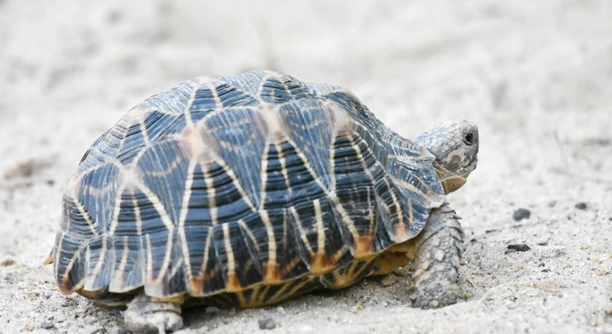
Indian star tortoises require proper care for healthy growth. Providing the right balance of vitamins is essential for their well-being. Understanding which vitamins are crucial can make a significant difference in their development and longevity.
Vitamins A, D3, E, K, C, B complex, and calcium are vital for the growth and overall health of Indian star tortoises. Vitamin A supports their immune system, while D3 helps with calcium absorption, promoting strong shells and bones.
The right combination of these vitamins will contribute to your tortoise’s health. Understanding the role of each can help ensure they thrive and grow properly.
Vitamin A: Essential for Immune System Support
Vitamin A is crucial for your Indian star tortoise’s immune system. It helps maintain healthy skin, eyes, and tissues. Tortoises that don’t get enough vitamin A may experience skin issues and a weakened immune response. Ensuring they receive enough of this vitamin will help them stay resilient against diseases and infections. This vitamin is found in foods like leafy greens, carrots, and squash. Including these in their diet can keep them healthy and active.
Vitamin A also plays a role in maintaining good vision. Tortoises rely heavily on their sight to navigate their environment. Without adequate vitamin A, they may face difficulties in seeing clearly, which can affect their ability to find food or avoid hazards. As a result, keeping their vitamin A levels balanced is vital for both health and daily functioning.
Feeding your tortoise a mix of vitamin A-rich foods ensures that their immune system remains strong and their vision sharp. Regularly providing fresh vegetables such as collard greens and dandelion leaves is an excellent way to give them this essential vitamin.
Vitamin D3: Vital for Calcium Absorption
Vitamin D3 is necessary for calcium absorption in tortoises. Without it, they can develop soft shells and weak bones, leading to health problems.
Providing proper UVB lighting for your tortoise ensures they synthesize enough vitamin D3. This is especially important for those kept indoors.
Vitamin E: Promoting Healthy Skin and Protection Against Oxidative Stress
Vitamin E is important for protecting your tortoise’s cells from damage caused by oxidative stress. It helps maintain healthy skin and overall cell function. A deficiency in vitamin E can lead to skin problems and weakened muscles. This vitamin is found in leafy greens, such as spinach and kale. Adding these to their diet can support their health and help prevent oxidative damage.
In addition to its role in skin health, vitamin E plays a role in supporting the immune system. It acts as an antioxidant, reducing inflammation and protecting against cell damage. Tortoises exposed to stress or an improper diet may have lower levels of vitamin E, so it’s important to ensure they get enough of this nutrient to support overall well-being. Offering a variety of fresh vegetables can provide them with the necessary amounts of vitamin E.
A healthy tortoise will benefit from vitamin E by having stronger immunity, better skin, and improved muscle function. Regular feeding of vitamin-rich greens and occasional supplementation can help prevent deficiency and keep them healthy.
Vitamin K: Important for Bone Health and Blood Clotting
Vitamin K supports bone health by aiding in calcium regulation and blood clotting. It is essential for ensuring your tortoise’s bones remain strong and functional. This vitamin is often found in leafy greens like mustard greens and turnip greens.
Without enough vitamin K, your tortoise may experience bone weakness and problems with blood clotting. This can lead to more severe health issues, such as fractures and internal bleeding. Vitamin K is also involved in protein synthesis, which is crucial for your tortoise’s growth. Feeding them a diet rich in dark leafy greens will help maintain their vitamin K levels, contributing to their overall health and longevity.
Vitamin C: Boosting Immunity and Healing
Vitamin C is essential for immune support and wound healing in tortoises. It helps protect against infections and promotes healthy tissue growth. This vitamin is found in foods like bell peppers, kale, and strawberries. Including these in their diet can support their natural defenses and overall health.
Vitamin C also helps with the absorption of iron, which is important for red blood cell production. Ensuring your tortoise gets enough vitamin C can prevent deficiencies that might otherwise lead to weakened immunity or poor healing after injuries. A balanced diet with fruits and vegetables rich in vitamin C can provide significant benefits.
B Vitamins: Supporting Energy and Metabolism
B vitamins play a key role in energy production and metabolism for Indian star tortoises. These vitamins help convert food into energy, keeping your tortoise active and healthy. B vitamins are found in various foods like leafy greens, peas, and carrots. Offering a mix of these foods can help maintain their energy levels.
Deficiency in B vitamins can lead to lethargy and poor growth. Including a variety of vegetables rich in these vitamins will ensure your tortoise has the energy needed for daily activities and proper growth. A well-balanced diet will help prevent deficiencies and support their long-term health.
Calcium: The Key to Strong Shells
Calcium is vital for building and maintaining a strong shell. Without enough calcium, your tortoise may develop a soft, deformed shell. To prevent this, provide a diet high in calcium-rich foods like dandelion greens, clover, and calcium supplements if necessary. Calcium is crucial for bone health as well.
FAQ
What is the best way to ensure my Indian star tortoise gets all the vitamins it needs?
To ensure your tortoise gets all the vitamins it needs, provide a well-balanced diet of fresh vegetables, leafy greens, and fruits. Focus on foods rich in vitamins A, D3, E, K, C, and B complex. Offer a variety of foods, such as collard greens, dandelion leaves, carrots, and squash. Ensure your tortoise is exposed to proper UVB light for vitamin D3 synthesis. Additionally, consider calcium supplements if necessary for strong shell development.
How do I know if my tortoise is lacking in certain vitamins?
Signs of vitamin deficiency in your tortoise may include poor shell growth, weakness, lethargy, and skin issues. If your tortoise isn’t eating enough leafy greens or is not getting enough UVB light, deficiencies may occur. Monitor for symptoms like soft shells, difficulty moving, or eye problems. If you notice any of these signs, it’s a good idea to consult with a vet to assess their health and adjust their diet accordingly.
Can I provide vitamin supplements for my tortoise?
Yes, you can provide vitamin supplements, but they should only be used in moderation. Over-supplementing can be harmful. Supplements, especially for vitamin D3 and calcium, are often necessary for tortoises kept indoors, where they may not get enough natural sunlight. It’s best to consult with a veterinarian before adding supplements to your tortoise’s diet to ensure the right balance.
How often should I feed my tortoise to ensure it gets enough vitamins?
Tortoises should be fed daily, offering a variety of fresh vegetables and leafy greens. A feeding schedule of once a day is typically recommended, but younger tortoises may need to be fed more frequently. Make sure the diet is rich in essential vitamins by including a mix of vitamin-packed foods like kale, collard greens, and dandelion greens. You can adjust the diet as needed based on your tortoise’s activity level and health.
Can I feed my tortoise fruit?
Yes, fruit can be fed to your tortoise, but it should be offered in moderation. Fruits like strawberries, apples, and papaya are good sources of vitamins, particularly vitamin C. However, fruits are high in sugar, so too much can cause digestive issues or an imbalance in their diet. A small piece once or twice a week is enough.
Is UVB lighting necessary for my tortoise’s health?
Yes, UVB lighting is essential for your tortoise’s health, especially for those kept indoors. UVB light helps your tortoise synthesize vitamin D3, which is critical for calcium absorption and shell growth. Without UVB exposure, your tortoise may develop metabolic bone disease or soft shells. Ensure the UVB light is replaced every six months, as it loses effectiveness over time.
How can I tell if my tortoise’s shell is healthy?
A healthy shell should be hard, smooth, and free from cracks, pits, or soft spots. If the shell appears soft or shows signs of deformity, it could indicate a calcium deficiency. Make sure your tortoise’s diet includes enough calcium, and it gets proper UVB exposure. Regularly check for any changes in the shell’s appearance and consult a vet if you notice anything unusual.
What are the signs of a vitamin A deficiency in my tortoise?
Vitamin A deficiency can cause swollen eyes, respiratory problems, and poor skin health in tortoises. If you notice your tortoise having difficulty opening its eyes or a rough, flaky skin texture, it may be lacking vitamin A. Ensure they are consuming enough vitamin-rich foods like dark leafy greens and orange vegetables such as carrots and squash.
Can I give my tortoise calcium supplements?
Yes, calcium supplements are often necessary for indoor tortoises that don’t get enough natural sunlight. Calcium is crucial for strong bones and shell development. You can dust their food with calcium powder or offer a cuttlebone for them to nibble on. It’s important to provide calcium in the right amounts to avoid causing imbalances.
Should I feed my tortoise the same vegetables every day?
It’s best to offer a variety of vegetables to ensure a balanced intake of vitamins and minerals. Rotating the types of greens and vegetables can help prevent deficiencies and offer a broader range of nutrients. Include different leafy greens like collard greens, mustard greens, and turnip greens. Variety is key to a healthy, balanced diet.
Final Thoughts
Providing your Indian star tortoise with the right vitamins is essential for its overall health and well-being. A well-balanced diet, combined with adequate UVB lighting, ensures that your tortoise grows strong and maintains a healthy shell. Vitamins like A, C, D3, and calcium are key in supporting its immune system, metabolism, and shell strength. By offering a variety of fresh vegetables and occasional fruits, you can help your tortoise get the nutrients it needs for long-term health.
While vitamins are critical, it’s also important to remember that consistency matters. A balanced diet with the right amount of vitamins, minerals, and nutrients should be provided regularly. Inadequate or irregular feeding, or over-reliance on certain foods, can lead to deficiencies or health issues over time. It’s essential to observe your tortoise closely for any signs of vitamin deficiencies, such as soft shell, sluggishness, or eye problems. Prompt action, including adjusting its diet, will ensure that your tortoise thrives.
Lastly, always consult a veterinarian if you notice any signs of health issues or if you’re unsure about your tortoise’s diet. An expert can offer guidance on supplements, feeding schedules, and any specific needs your tortoise may have based on its age, size, and lifestyle. With the right care, your Indian star tortoise can live a long, healthy life, growing into a strong and vibrant companion.

Hello,
If you enjoy the content that we create, please consider saying a "Thank You!" by leaving a tip.
Every little bit helps us continue crafting quality advice that supports the health, happiness, and well-being of pets around the world, for pets of all shapes, sizes, and species.
We really appreciate the kindness and support that you show us!