
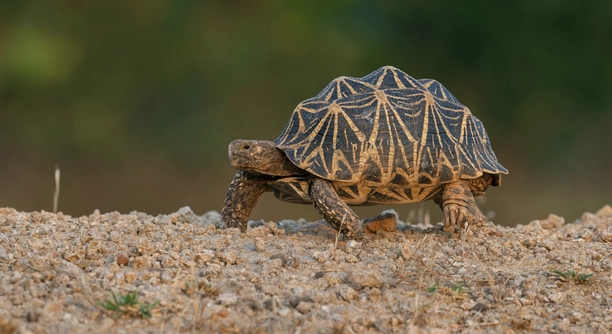
Are your Indian star tortoise eggs at risk due to improper handling or environmental factors? Keeping them safe requires careful attention to temperature, humidity, and nesting conditions to ensure they develop properly and hatch successfully.
The best way to keep Indian star tortoise eggs safe is by maintaining a controlled incubation environment. This includes stable temperature and humidity levels, proper substrate for moisture retention, and minimal disturbance to prevent stress or developmental issues in the embryos.
Creating the right conditions will improve the chances of healthy hatchlings. Understanding these key factors will help you provide the best care for your tortoise eggs.
Maintain Proper Incubation Conditions
Keeping Indian star tortoise eggs in a stable environment is essential for successful hatching. The temperature should stay between 82°F and 86°F, with humidity around 70%. Using a quality incubator with a reliable thermostat helps maintain these conditions. Place the eggs in a well-ventilated container with a moist substrate like vermiculite or perlite. Avoid sudden temperature changes, as fluctuations can harm the embryos. Keep the incubator away from direct sunlight and drafts. Check the humidity levels daily, adding water if needed to prevent the substrate from drying out.
Too much moisture can lead to mold growth, which can damage the eggs. If mold appears, carefully remove it without disturbing the eggs. Proper airflow prevents excessive moisture buildup while maintaining necessary humidity.
Monitoring conditions regularly will increase the likelihood of a successful hatch. Investing in a high-quality thermometer and hygrometer ensures the environment stays stable.
Handle the Eggs Carefully
Avoid rotating the eggs, as this can disrupt embryo development. Mark the top of each egg with a pencil to keep track of its original position. Always handle them with clean hands to prevent contamination.
When moving the eggs, do so gently and only if necessary. Rough handling can damage the delicate embryos inside. If an egg needs repositioning, ensure it remains in its original orientation. Avoid shaking or sudden movements. Dirty hands can introduce bacteria, so wash your hands before touching them. If mold develops, use a cotton swab with antifungal powder to treat affected areas carefully.
Letting the eggs remain undisturbed in a stable environment will lead to better results. Checking conditions daily without unnecessary handling ensures the best chance for healthy hatchlings.
Protect the Eggs from Predators
Keep the nesting area secure to prevent animals from disturbing the eggs. Predators like rodents, birds, and insects can damage or eat them. Using a protective barrier, such as fine mesh or a well-ventilated enclosure, helps keep the eggs safe without disrupting airflow or humidity levels.
If incubating outdoors, choose a location that is difficult for predators to access. Covering the nesting site with a breathable protective layer can help. Avoid using pesticides or chemicals near the eggs, as they can be harmful. For indoor incubation, ensure the container has a secure lid with ventilation holes. Check for signs of pests, such as bite marks or soil disturbances. If needed, relocate the eggs to a more secure environment while maintaining their original positioning. A well-protected nesting area ensures the eggs remain undisturbed during incubation.
Keeping the area clean reduces the risk of attracting predators. Remove leftover food, waste, or anything that could draw unwanted attention. If ants become a problem, place the incubation container on a raised surface with a barrier, such as a dish of water or a non-toxic deterrent. Frequent inspections help catch potential threats early, allowing you to take action before any harm is done.
Monitor Humidity Levels
Too much humidity can cause eggs to develop mold, while too little can dry them out. Use a hygrometer to track levels and adjust as needed. Adding small amounts of water to the substrate helps maintain moisture, but avoid oversaturating, as excessive dampness can lead to fungal growth.
Ventilation is essential for preventing excess moisture buildup. Small air holes in the incubation container allow airflow while keeping humidity balanced. If condensation appears on the container walls, slightly increase ventilation. Regularly check the substrate’s moisture level to ensure the eggs remain in a stable environment without drastic fluctuations.
Keep Eggs at a Stable Temperature
Fluctuating temperatures can harm embryo development. Keeping the incubation area between 82°F and 86°F ensures steady growth. If the room temperature varies, use a reliable incubator with a thermostat to maintain consistency. Sudden drops or spikes can reduce the chances of successful hatching.
Minimize Handling
Frequent handling increases the risk of damage or contamination. Once the eggs are placed in the incubation setup, avoid unnecessary movement. If an egg must be repositioned, keep it in the same orientation to prevent disrupting the embryo. Consistency and stability improve the chances of healthy hatchlings.
FAQ
How long does it take for Indian star tortoise eggs to hatch?
Indian star tortoise eggs typically take 90 to 120 days to hatch. The exact time depends on factors like temperature, humidity, and overall incubation conditions. Warmer temperatures within the recommended range can lead to a slightly shorter incubation period, while cooler temperatures may extend it. Consistency is key to ensuring a healthy hatching process.
What should I do if an egg starts to mold?
Mold growth can be harmful to developing embryos. If you notice mold, gently remove it using a cotton swab dipped in antifungal powder. Be careful not to disturb the egg’s position. Improve ventilation and check humidity levels to prevent further mold issues. Keeping the substrate slightly moist but not too damp helps reduce the risk of mold forming.
Can I incubate Indian star tortoise eggs without an incubator?
Yes, but it requires careful monitoring. If incubating naturally, the nesting site must have stable temperature and humidity levels. Outdoor incubation should be in a secure area protected from predators, extreme weather, and disturbances. Using a homemade incubator with a controlled heat source and humidity regulation can improve the chances of successful hatching.
How do I know if an egg is fertile?
Candling is the best way to check fertility. Hold a small flashlight against the egg in a dark room. Fertile eggs usually show visible veins or a reddish glow inside. Infertile eggs appear clear or show no signs of development. Avoid candling too frequently, as excessive handling can affect the embryo’s growth.
What happens if an egg doesn’t hatch on time?
If an egg has passed the expected hatch date, it may still be viable. Some eggs take longer, depending on incubation conditions. Keep monitoring temperature and humidity levels. If there is no sign of movement or development after an additional two to three weeks, the egg may not be viable. Carefully check for any signs of life before discarding it.
Can I move the eggs after they’ve been laid?
It is best to avoid moving them unless necessary. If relocation is required, keep the eggs in the exact position they were laid to prevent harming the developing embryo. Marking the top of each egg with a pencil before moving helps ensure they remain in their original orientation.
What is the best substrate for incubating Indian star tortoise eggs?
Vermiculite and perlite are the most commonly used substrates. They retain moisture well while allowing airflow, creating a stable environment for incubation. The substrate should be slightly damp but not wet. Avoid using regular soil, as it can harbor bacteria and does not provide consistent moisture levels.
Should I assist a hatchling that is struggling to emerge?
Most hatchlings can break out on their own, but if a baby tortoise is struggling for more than 48 hours, slight assistance may be needed. Only intervene if absolutely necessary, and be extremely gentle. Forcing the shell open too early can cause harm. Keeping humidity levels stable helps soften the shell naturally.
What temperature determines the sex of Indian star tortoise hatchlings?
Temperature plays a role in determining the sex of hatchlings. Higher incubation temperatures, around 86°F, typically produce more females, while lower temperatures, around 82°F, tend to result in more males. A balanced temperature range can lead to a mix of both sexes. Keeping conditions stable is crucial for proper development.
How soon should hatchlings be moved to their enclosure?
Newly hatched tortoises should remain in the incubator for at least 24 hours after emerging. This allows them to absorb the remaining yolk sac, providing essential nutrients. Once they are active and their yolk sac is fully absorbed, they can be transferred to a warm, humid enclosure with shallow water access.
Final Thoughts
Keeping Indian star tortoise eggs safe requires careful attention to temperature, humidity, and protection from potential threats. Whether using an incubator or a natural nesting site, maintaining stable conditions increases the chances of successful hatching. Small adjustments, like choosing the right substrate and monitoring moisture levels, can make a significant difference. Eggs should be handled with care, and unnecessary movement should be avoided to prevent harming the developing embryos. If mold appears, it must be addressed immediately to keep the eggs healthy. Every step in the process contributes to ensuring a safe environment for the eggs to develop properly.
Patience is essential when waiting for the eggs to hatch. Some may take longer than expected, depending on incubation conditions. Monitoring the eggs without disturbing them too often is important, as excessive handling can interfere with their development. Once hatchlings begin to emerge, they should be given time to break free on their own. If assistance is needed, it should be done carefully to avoid injury. After hatching, providing a warm, humid enclosure with easy access to water helps the hatchlings adjust to their new environment. Proper care during these early stages ensures they grow strong and healthy.
Protecting tortoise eggs goes beyond just incubation. The nesting area must be kept secure from predators and environmental hazards. Even after hatching, young tortoises need a safe and controlled habitat to thrive. Learning about their needs and making informed decisions helps improve their survival rate. Every tortoise keeper will face challenges, but with the right approach, the process becomes more manageable. Taking the time to create a safe space for the eggs and hatchlings ensures the best possible outcome.

Hello,
If you enjoy the content that we create, please consider saying a "Thank You!" by leaving a tip.
Every little bit helps us continue crafting quality advice that supports the health, happiness, and well-being of pets around the world, for pets of all shapes, sizes, and species.
We really appreciate the kindness and support that you show us!