
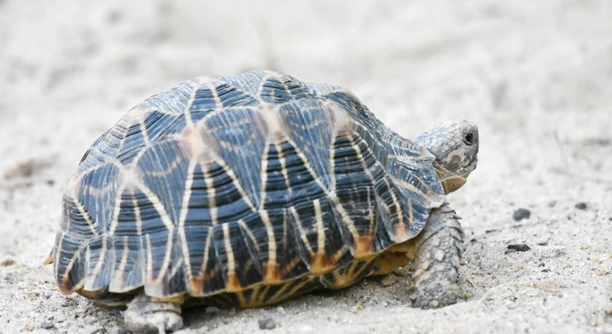
Many pet owners may notice their Indian Star Tortoise spending considerable time resting on its back. This behavior can be concerning, especially when it seems frequent. Understanding the reason behind this unusual pose will help ensure your tortoise’s well-being.
Indian Star Tortoises may sleep on their back due to discomfort, poor shell shape, or weakness. It can also indicate a health issue, such as an injury or improper care. In such cases, immediate veterinary attention is recommended.
There are several factors that could be influencing this behavior. From dietary concerns to habitat conditions, understanding what might be going wrong will help you address the issue and improve your tortoise’s health.
Understanding the Behavior: What Does Sleeping on Its Back Mean?
When your Indian Star Tortoise sleeps on its back, it could signal that something is wrong. This tortoise species is known for spending a lot of time resting, but it typically does not sleep upside down. If your pet consistently rests this way, it may indicate discomfort or an issue with its shell. In some cases, poor shell shape or a lack of strength might prevent the tortoise from properly flipping back over. It’s also possible that environmental factors, such as improper temperature or humidity levels, contribute to this behavior.
If your tortoise has a weak or deformed shell, it may struggle to stay upright, making it prone to rolling onto its back. Additionally, health issues like dehydration, metabolic bone disease, or injuries could be behind the odd sleeping position. A proper diagnosis from a vet can help address the root cause of the problem. Taking action promptly will ensure your tortoise’s comfort and health are properly managed.
Make sure to monitor your pet’s shell condition and behavior closely. Consistent upside-down resting could point to underlying issues that require veterinary attention.
Environmental Factors at Play
The living environment can significantly affect your tortoise’s behavior. An improper habitat may lead to stress or physical discomfort, making the tortoise more likely to sleep on its back. Factors such as inadequate space, incorrect temperature, and lack of shelter can create an environment that is not suited to your tortoise’s needs.
One key factor is temperature. Indian Star Tortoises are cold-blooded creatures that require consistent warmth to regulate their body temperature. If the temperature in their enclosure fluctuates too much or is too low, they may become lethargic or weak. This can make it harder for them to right themselves if they end up on their back. Additionally, a lack of hiding spots or uneven flooring could also contribute to unusual sleeping positions. Ensuring the habitat is comfortable, with proper heat and space, is crucial in helping your tortoise stay healthy and upright.
Health Issues to Consider
If your Indian Star Tortoise frequently sleeps on its back, it could be suffering from a health issue. Metabolic bone disease, dehydration, or other health problems can affect the strength and structure of its shell. A weak shell can make it harder for the tortoise to maintain its balance, leading to an upside-down resting position.
Metabolic bone disease, in particular, is a common concern in reptiles. It often results from calcium deficiency, causing the bones to become brittle and weak. If your tortoise is not getting enough calcium or UVB light, this can result in skeletal deformities, making it more difficult for the tortoise to right itself. Dehydration can also make the tortoise feel weak, affecting its ability to flip back over if it gets stuck. Regular vet checkups are essential to diagnose and treat these conditions before they cause lasting harm.
Early intervention can prevent permanent damage. Ensuring your tortoise has a proper diet and access to UVB light is key to its overall health and well-being.
Diet and Nutrition’s Role
What your Indian Star Tortoise eats plays a big part in its overall health. A diet lacking in essential nutrients like calcium and fiber can weaken its bones, making it prone to health problems. If the tortoise is not getting the right balance of food, it could lead to weakness, affecting its ability to stay upright.
Calcium is especially important for shell development and bone strength. Without it, the shell may become soft, and the tortoise may struggle to move and maintain balance. Offering a variety of leafy greens, grass, and occasional fruits will help ensure it gets the nutrients it needs. You should also consider supplementing its diet with calcium powder to keep its bones and shell strong.
Make sure that your tortoise’s diet is well-rounded and contains the necessary vitamins and minerals to maintain optimal health. A poor diet can easily lead to long-term health issues that will be harder to manage over time.
Shell Condition and Deformities
If your tortoise has a shell deformity, it may be unable to move comfortably. Shell deformities can result from injury, poor diet, or improper care. A weak or misshapen shell can prevent your tortoise from properly flipping back over when it falls onto its back.
Regular shell checks are important for identifying cracks, soft spots, or signs of disease. If the shell is too soft, this might suggest a calcium deficiency. If you notice any irregularities in your tortoise’s shell, it’s best to consult a vet. Addressing shell issues early can prevent further complications.
The Importance of Proper Care
Proper care includes maintaining the right temperature, humidity, and diet for your tortoise. A clean and safe habitat allows your pet to thrive and minimizes the chances of it resting on its back. If the conditions are subpar, your tortoise may become weak, leading to unusual behaviors like staying on its back.
A consistent temperature of around 80°F to 85°F, with access to a basking spot, is crucial. Ensure the humidity levels are within the correct range as well. Monitoring your tortoise’s health in the right environment promotes its overall strength and stability.
What to Do Next
If your tortoise is consistently sleeping on its back, it’s crucial to take action quickly. First, check for any health concerns, such as shell issues or metabolic bone disease. Make sure it has a balanced diet, adequate UVB light, and a well-maintained habitat. If these factors are in place and the issue persists, a vet visit is necessary.
FAQ
Why is my Indian Star Tortoise sleeping on its back?
If your tortoise is consistently sleeping on its back, it could indicate discomfort or health issues. Common causes include weak bones, shell deformities, or inadequate care. Metabolic bone disease, dehydration, or injury may also make it difficult for your tortoise to stay upright. If this behavior becomes frequent, a veterinary checkup is recommended to rule out underlying health problems. Ensuring that your tortoise has a proper diet, adequate calcium, and UVB light can help improve its overall strength and health.
Is it normal for my tortoise to sleep upside down?
While it’s not uncommon for a tortoise to flip over occasionally, if your tortoise is regularly sleeping upside down, something may be wrong. It’s a sign that your tortoise is either struggling to right itself or that it’s experiencing weakness or discomfort. Poor shell condition, health issues, or an inadequate habitat could be contributing to this behavior. Monitoring the conditions and seeking professional advice will help determine the cause.
What health issues could be causing this behavior?
Several health issues could contribute to your tortoise sleeping on its back. Metabolic bone disease is a common condition, caused by a lack of calcium or UVB light, which can make the bones weaker and more prone to deformity. Dehydration or malnutrition can also lead to weakness, preventing your tortoise from flipping back over. Additionally, physical injuries like shell fractures can cause discomfort and make it hard for your tortoise to move normally. If you suspect any of these issues, consulting a vet is crucial for proper diagnosis and treatment.
How can I help my tortoise stay upright?
First, ensure your tortoise has a proper and safe habitat. The enclosure should have enough space for your tortoise to move around comfortably, with temperature and humidity levels regulated to suit its needs. If your tortoise has shell deformities, a vet can guide you on corrective steps. Providing a balanced diet, with enough calcium and vitamins, is essential for strong bones. Also, ensure your tortoise has access to UVB light to promote bone health. If it has trouble flipping over, gently help it back onto its feet to prevent injury.
Can my tortoise be dehydrated?
Yes, dehydration is a common cause of weakness in tortoises, which can affect their ability to move and maintain balance. Dehydrated tortoises may become lethargic, and it can lead to abnormal behaviors like sleeping on their back. Ensure your tortoise has access to fresh water at all times, and consider soaking it in shallow water for 20-30 minutes a few times a week to help rehydrate. If dehydration is suspected, adjusting its diet and increasing water intake may help. If the issue continues, a vet can help determine the severity of dehydration.
How do I know if my tortoise has metabolic bone disease?
Metabolic bone disease in tortoises often shows signs like soft or deformed shells, weakness, and difficulty moving. Your tortoise may appear lethargic or struggle to right itself when flipped. The disease is caused by a lack of calcium or inadequate exposure to UVB light, both of which are vital for proper bone development. If you notice any of these signs, it’s important to take your tortoise to a vet for diagnosis. X-rays or blood tests may be necessary to confirm the condition. Proper treatment involves correcting the diet and providing UVB light exposure.
Should I change my tortoise’s diet to prevent health problems?
Yes, your tortoise’s diet plays a big role in preventing health problems, especially issues like metabolic bone disease. Offer a variety of leafy greens such as dandelion greens, kale, and collard greens, along with high-fiber grasses and occasional fruits. Make sure to provide calcium-rich foods like dark leafy vegetables and consider using a calcium supplement. Avoid feeding too many sugary fruits or processed foods, as these can lead to obesity and other health issues. A well-balanced diet, combined with proper UVB light exposure, can help prevent many common health problems.
Can my tortoise’s environment affect its behavior?
Yes, the environment plays a major role in your tortoise’s overall health and behavior. If the temperature, humidity, or space in the enclosure is not suitable, your tortoise may become stressed, weak, or even sick. Tortoises need a warm basking area, with temperatures between 85°F and 90°F, and a cooler area to regulate their body temperature. The humidity level should also be maintained within the appropriate range, depending on the species. Lack of space or hiding spots can lead to discomfort, causing stress-related behaviors like sleeping on its back.
What should I do if my tortoise can’t get up?
If your tortoise is unable to get up, it’s important to gently help it flip back over. Check for any signs of injury or shell deformities. If your tortoise is unable to move properly or appears weak, it may be dealing with a health issue that requires veterinary attention. Make sure your tortoise has access to clean water, proper food, and appropriate lighting. If it continues to struggle with getting up, a vet will be able to determine the cause and recommend the best course of action.
How can I tell if my tortoise’s shell is healthy?
A healthy tortoise shell should be firm and smooth, without cracks or soft spots. If the shell is soft or flexible, it could be a sign of calcium deficiency or metabolic bone disease. Inspect the shell regularly for any signs of damage, such as cracks, dents, or swelling. The color of the shell should be even and free from unusual discoloration, which could indicate infection or other health problems. Regular veterinary checkups can help catch any shell issues early before they become serious.
Final Thoughts
If your Indian Star Tortoise spends a lot of time sleeping on its back, it’s a sign that something might not be quite right. While an occasional flip over is normal, frequent upside-down behavior can indicate underlying issues, such as health problems or poor living conditions. It’s essential to carefully assess your tortoise’s habitat, diet, and overall health to identify any potential causes. Ensuring that your tortoise has proper shelter, the right temperature, and humidity, as well as a balanced diet, is crucial for its well-being.
One of the most important things to keep in mind is the health of your tortoise’s shell. A soft or deformed shell can make it harder for your tortoise to move around properly, leading to an increased chance of it flipping over. Make sure to regularly check your tortoise’s shell for signs of damage or weakness. If you notice any irregularities, it’s important to seek veterinary care to address potential health concerns like metabolic bone disease or dehydration. Providing your tortoise with the proper amount of calcium and UVB light will also help keep its shell strong and healthy.
Finally, if your tortoise’s behavior doesn’t improve despite changes to its environment and diet, don’t hesitate to consult a vet. They can give you a more accurate diagnosis and guide you in the right direction for treatment. A healthy tortoise requires the right care, attention, and environment, so understanding and addressing any issues it may have is key to helping it live a long, happy life. Regular checkups and staying informed about your tortoise’s needs will ensure it thrives in its home.

Hello,
If you enjoy the content that we create, please consider saying a "Thank You!" by leaving a tip.
Every little bit helps us continue crafting quality advice that supports the health, happiness, and well-being of pets around the world, for pets of all shapes, sizes, and species.
We really appreciate the kindness and support that you show us!