
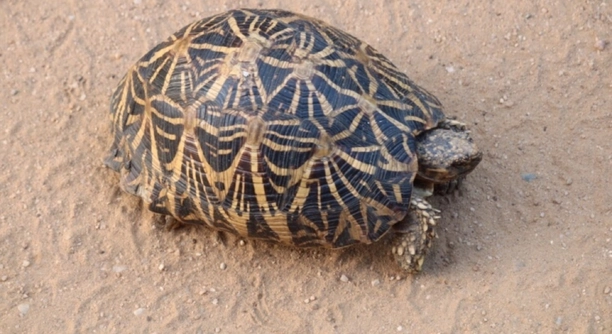
Is your Indian star tortoise eating less than usual, making you worried about its health? A reduced appetite can be concerning, especially when you want to ensure your pet gets the proper nutrition it needs to thrive.
Encouraging an Indian star tortoise to eat requires providing the right diet, maintaining optimal temperature and humidity, reducing stress, and ensuring a natural feeding environment. These factors play a crucial role in stimulating appetite and promoting overall health.
Understanding these key elements will help you support your tortoise’s well-being and prevent long-term feeding issues.
Provide a Varied and Nutritious Diet
A well-balanced diet is essential for keeping your Indian star tortoise interested in food. Leafy greens like dandelion, mustard greens, and collard greens should make up most of their meals. You can also include hibiscus flowers, cactus pads, and occasional fruits like papaya or mango. Avoid high-protein foods, as they can harm their kidneys. A lack of variety can make your tortoise lose interest in eating. If they refuse food, try introducing new textures and flavors to stimulate their appetite. Freshness also matters, so always serve clean, pesticide-free produce.
Calcium and vitamin supplements are important for shell and bone health. Dusting food with calcium powder a few times a week can prevent deficiencies. Providing a cuttlebone in their enclosure also helps maintain strong bones.
Hydration plays a role in appetite as well. Offer fresh water daily and soak your tortoise in shallow, lukewarm water for 15 minutes a few times a week. This keeps them hydrated and encourages eating.
Maintain Proper Temperature and Humidity
Indian star tortoises rely on their environment to regulate body functions, including digestion. If their habitat is too cold, they may become sluggish and eat less. Keeping temperatures between 80–90°F during the day and around 75°F at night helps maintain their appetite.
A basking area with a temperature of around 95°F allows them to absorb warmth and digest food efficiently. Use a high-quality UVB light to mimic natural sunlight, which helps with calcium absorption. Without proper UVB exposure, they may develop metabolic bone disease, leading to a loss of appetite and other health issues.
Humidity is another important factor. Indian star tortoises thrive in a humidity range of 60–80%. Too much dryness can lead to dehydration, while excess humidity can cause respiratory problems. A balance between warmth and moisture keeps them comfortable and encourages regular eating. Misting the enclosure and providing a humid hide can help maintain proper levels.
Reduce Stress in Their Environment
Stress can make an Indian star tortoise lose interest in food. Loud noises, frequent handling, and sudden changes in their enclosure can cause anxiety. Keep their habitat in a quiet area, limit disturbances, and allow them to feel safe in their surroundings.
A predictable routine helps reduce stress. Feed them at the same time each day and avoid sudden dietary changes. If they seem hesitant to eat, offer food in a calm environment where they feel secure. Adding hiding spots like logs or plants can also make them more comfortable. A stressed tortoise may retreat into its shell and refuse food, so creating a peaceful space is essential.
Tank mates can also be a source of stress. If multiple tortoises are housed together, bullying can occur, leading to one eating less. If you notice signs of aggression, consider separating them to prevent food competition.
Ensure Proper Lighting and Day-Night Cycle
Indian star tortoises need a natural light cycle to stay active and maintain a healthy appetite. Keep their lights on for 10–12 hours daily to mimic daylight. A consistent schedule helps regulate their biological clock and encourages regular eating habits. Without proper lighting, they may become sluggish and uninterested in food.
A high-quality UVB light is essential for vitamin D3 production, which helps with calcium absorption. Without UVB, they can develop metabolic issues that lead to appetite loss. Replace bulbs every six months to ensure effectiveness. The basking area should provide both heat and light, allowing them to regulate their body temperature and digest food efficiently.
At night, the temperature should gradually drop, simulating their natural habitat. Avoid bright lights during the night, as this can disrupt their sleep cycle. A dark, quiet environment helps them rest properly, which directly affects their overall well-being and appetite.
Offer Fresh and Clean Food
Stale or spoiled food can make a tortoise refuse to eat. Always provide fresh, pesticide-free greens and vegetables. Wash all produce thoroughly before serving, and remove uneaten food after a few hours to prevent spoilage and bacterial growth.
Food presentation also matters. Chopping greens into smaller pieces can make them easier to eat. Some tortoises prefer slightly moistened food, while others enjoy crisp textures. Observing their preferences helps ensure they eat regularly. Rotating food choices can also keep them interested in meals.
Encourage Natural Foraging Behavior
Scattering food around the enclosure encourages a tortoise to search for it, mimicking its natural foraging habits. Placing greens on different surfaces or partially burying food can stimulate interest and make feeding time more engaging. This method prevents boredom and promotes a healthier appetite.
Monitor Health Regularly
A sudden loss of appetite may signal an underlying health issue. Check for symptoms like weight loss, lethargy, or unusual behavior. If appetite problems persist, consulting a reptile veterinarian is important. Identifying health concerns early helps prevent serious complications and ensures your tortoise stays healthy.
FAQ
What should I do if my Indian star tortoise refuses to eat?
If your tortoise isn’t eating, the first thing to check is the environment. Ensure the temperature and humidity are within the appropriate ranges. Next, offer a variety of fresh, clean foods and observe if they prefer certain textures or types. If they still refuse to eat, consider reducing stress factors in their enclosure, such as loud noises or tank mates that might be aggressive. Lastly, check for signs of illness or injury. If the problem persists, consulting a veterinarian is essential to rule out health issues.
How often should I feed my Indian star tortoise?
Indian star tortoises should typically be fed every other day, but this can depend on their age and activity level. Younger tortoises, who are still growing, may need food more frequently, while adults can be fed less often. You should offer food in the morning and remove any uneaten portions after a few hours to prevent spoilage. Be sure to vary the types of food to ensure they receive a balanced diet.
Can I feed my Indian star tortoise fruits regularly?
While fruits are safe for tortoises, they should be offered sparingly. Too much fruit can upset the tortoise’s digestive system and lead to unhealthy weight gain. Stick to a few fruit options, such as papaya or melon, and serve them occasionally as treats. The majority of their diet should be made up of leafy greens and fibrous vegetables.
How do I know if my Indian star tortoise is dehydrated?
Dehydration in tortoises can cause lethargy, dry skin, and sunken eyes. If you notice these symptoms, it’s crucial to provide your tortoise with more hydration. Soaking them in shallow, lukewarm water for 15–20 minutes a few times a week can help them rehydrate. You should also ensure that fresh water is always available in their enclosure.
What is the ideal temperature for an Indian star tortoise’s enclosure?
Indian star tortoises require a basking area with temperatures around 95°F, and the cooler side of the enclosure should be between 75–80°F. Nighttime temperatures can drop slightly to around 70–75°F. If the temperature is too low, your tortoise may become sluggish and eat less. Make sure to use a reliable thermometer to monitor the temperature.
How can I prevent my Indian star tortoise from becoming overweight?
Overfeeding is a common cause of obesity in tortoises. To prevent this, control their portions and avoid offering high-calorie foods like fruits too often. Focus on offering fibrous greens and avoid feeding them too many high-protein foods, which can contribute to weight gain. Regular activity is also important, so providing a space for them to roam and explore is beneficial.
Can my Indian star tortoise live with other tortoises?
Indian star tortoises can live with other tortoises, but it’s important to monitor their behavior. If one tortoise is constantly bullying or preventing the others from eating, it’s best to separate them. It’s also essential to ensure the enclosure is large enough to accommodate multiple tortoises, as overcrowding can cause stress and health issues.
Is it normal for my tortoise to eat less during the winter?
Yes, it’s normal for tortoises to eat less in cooler months. Their metabolism slows down, and they may become less active, leading to a reduced appetite. However, if the decrease in appetite is significant or lasts for an extended period, it’s a good idea to check for health issues and consult with a veterinarian if needed.
What is the best way to supplement my tortoise’s diet?
Calcium and vitamin D3 supplements are important for maintaining strong bones and a healthy shell. You can dust their food with calcium powder two to three times a week, but be careful not to overdo it. You may also provide a cuttlebone in the enclosure for them to nibble on, which is a natural source of calcium.
Why is my Indian star tortoise not growing?
If your tortoise isn’t growing, it may not be getting enough food, the right nutrients, or sufficient heat. Ensure they are offered a variety of foods, including high-fiber greens and calcium-rich supplements. Also, check that the temperatures in their enclosure are appropriate for their growth, as they need warmth to digest food properly and absorb nutrients.
Can I feed my tortoise grass from outside?
Grass from outside can be a great addition to your tortoise’s diet, but make sure it’s free from pesticides, herbicides, or other chemicals. Avoid picking grass from areas that may have been treated with these substances. If the grass is clean and safe, it can provide additional fiber and variety in their diet.
How can I tell if my tortoise is sick?
Signs of illness in Indian star tortoises include a lack of appetite, lethargy, runny nose, swollen eyes, or difficulty moving. If you notice any of these symptoms, it’s important to take your tortoise to a veterinarian who specializes in reptiles for a proper diagnosis and treatment.
What type of lighting is best for my Indian star tortoise?
UVB lighting is essential for your tortoise’s health as it helps with calcium absorption and vitamin D3 production. A good-quality UVB bulb should be placed over the basking area, and it should be replaced every six months to maintain its effectiveness. Tortoises also benefit from a day-night light cycle, so make sure their enclosure is exposed to natural or artificial light for 10-12 hours daily.
Maintaining a healthy appetite for your Indian star tortoise is essential for its overall well-being. A balanced diet, proper lighting, and a suitable environment are key factors that influence how much your tortoise eats. By ensuring that these conditions are met, you can help your tortoise maintain a healthy weight and avoid common health issues related to poor nutrition. It’s important to remember that each tortoise is unique, and what works for one may not work for another. Be patient and observe your tortoise’s behavior and preferences to find the best approach.
Stress can play a significant role in a tortoise’s reluctance to eat. Whether it’s due to environmental changes, tank mates, or handling, any source of stress can cause your tortoise to stop eating. Creating a calm and stable environment will encourage your tortoise to feel secure and more willing to eat. Offering food at the same time each day and in a peaceful setting can help reduce anxiety. Additionally, maintaining appropriate temperature and humidity levels in the enclosure is essential for digestion and appetite. A small change in its environment, like adding more hiding spaces or adjusting the temperature, may be the solution to encouraging eating.
Finally, health concerns should never be ignored. If your tortoise’s appetite doesn’t improve despite making changes to its diet and environment, it may be time to consult a veterinarian. Issues such as parasites, infections, or other health problems can lead to a loss of appetite. Regular health checks are crucial for early detection of any potential issues. By paying close attention to your tortoise’s needs and well-being, you can help ensure that it lives a long and healthy life, with plenty of meals and an active lifestyle.

Hello,
If you enjoy the content that we create, please consider saying a "Thank You!" by leaving a tip.
Every little bit helps us continue crafting quality advice that supports the health, happiness, and well-being of pets around the world, for pets of all shapes, sizes, and species.
We really appreciate the kindness and support that you show us!