
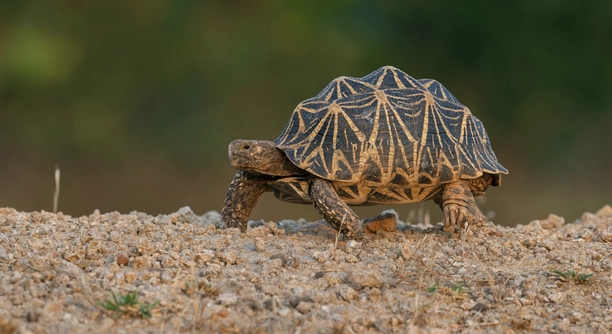
Are you planning to build a multi-level enclosure for your Indian Star Tortoises but are unsure where to start? Creating a functional and comfortable space for your tortoises requires careful planning, proper materials, and an understanding of their specific needs.
The best way to build a multi-level enclosure for Indian Star Tortoises is by designing a sturdy, well-ventilated structure with ramps, secure barriers, and suitable substrate. This setup provides enrichment while maintaining safety and accessibility for your tortoises.
A properly designed enclosure enhances your tortoises’ quality of life by promoting natural behaviors and providing a secure environment. Learning the key elements of construction and design will help ensure your tortoises thrive in their new space.
Choosing the Right Materials
Selecting the right materials is important for building a sturdy and safe enclosure. Use durable wood or PVC for the frame, ensuring it can withstand outdoor conditions. Hardware cloth or acrylic panels work well for walls, providing security while allowing airflow. For flooring, a mix of soil, sand, and coconut coir creates a natural feel. Avoid treated wood, as chemicals can be harmful. Ramps should be made of non-slip material to prevent falls. Secure all components with weather-resistant screws and hinges. These materials help create a comfortable and long-lasting space for your tortoises.
A solid enclosure protects your tortoises from predators and environmental factors. The right materials will ensure safety while maintaining proper ventilation. Prioritize non-toxic and weather-resistant options to keep the enclosure in good condition over time.
When choosing materials, consider the tortoises’ needs first. The right flooring will support their natural behaviors, while secure walls and ramps prevent injuries. Quality materials ensure longevity.
Designing the Layout
A well-planned layout makes the enclosure functional and easy to maintain. Space should be divided into basking areas, shaded zones, and a designated feeding spot. Ramps should have gentle slopes to prevent stress on their legs.
A multi-level design allows tortoises to explore while maximizing space. Ensure all levels are easily accessible with wide, gradual ramps. Provide hiding spots like logs or plants for security. The enclosure should also include a shallow water dish for hydration. Proper lighting, such as UVB lamps, is essential for their health. A well-structured layout supports their physical and mental well-being.
An organized enclosure makes daily care more manageable. Keeping basking and shaded areas separate allows for natural thermoregulation. Secure walls and barriers prevent escape while still offering visibility. Planning the layout carefully ensures a safe, enriching environment for your tortoises.
Ensuring Proper Ventilation and Temperature
Good airflow is important to keep the enclosure fresh and prevent moisture buildup. Mesh panels or ventilation holes allow air circulation while keeping predators out. Avoid fully enclosed spaces, as poor ventilation can lead to respiratory issues and excessive humidity inside the enclosure.
Temperature control is essential for Indian Star Tortoises. A basking area should maintain a temperature of 90–95°F, while the shaded areas should stay around 75–85°F. Use ceramic heat emitters or basking lamps to regulate warmth, especially in cooler climates. A temperature gradient lets tortoises move between warm and cool areas. Monitoring temperatures with a digital thermometer ensures consistency.
Too much humidity can lead to shell rot, while too little can cause dehydration. The enclosure should have a humidity level between 60–80%. Misting the substrate lightly and adding moisture-retaining materials like moss help maintain balance. Proper ventilation and monitoring prevent health issues.
Securing the Enclosure
A secure enclosure protects tortoises from predators and prevents escapes. The walls should be at least 12 inches high, with a buried barrier to stop digging. A secure latch on doors and ramps keeps everything in place. Mesh or acrylic panels provide safety without blocking visibility.
Predators like raccoons, birds, and rodents can pose a risk. A wire mesh cover prevents attacks while allowing sunlight and airflow. Nighttime security is important, so covering the enclosure or bringing tortoises inside may be necessary. Heavy-duty locks prevent accidental openings caused by wind or animals.
Preventing escapes is just as important as keeping predators out. Tortoises are strong and can push against weak barriers. Regularly checking for gaps, loose panels, or weak spots ensures the enclosure stays safe. A well-secured habitat allows tortoises to explore without the risk of getting lost or injured.
Adding Hiding Spots and Enrichment
Hiding spots help tortoises feel secure and reduce stress. Logs, overturned flower pots, or small wooden shelters provide shade and protection. Placing these shelters in different areas allows tortoises to choose where they feel most comfortable throughout the day.
Enrichment keeps tortoises active and engaged. Adding rocks, branches, and different textures in the enclosure encourages natural behaviors like climbing and digging. Changing the placement of objects occasionally provides mental stimulation.
Providing a Proper Diet Area
A designated feeding area keeps the enclosure clean and organized. A flat, non-porous surface like a stone slab prevents food from mixing with the substrate. Placing it in a shaded area keeps food fresh longer and reduces the risk of overheating in direct sunlight.
Maintaining Cleanliness
Regular cleaning prevents bacteria buildup and keeps the enclosure safe. Removing uneaten food, spot-cleaning waste, and replacing soiled substrate help maintain hygiene. A full enclosure clean every few weeks ensures a healthy environment.
FAQ
How big should a multi-level enclosure be for Indian Star Tortoises?
The size of the enclosure depends on the number of tortoises. A single Indian Star Tortoise needs at least 10 square feet of space, but a multi-level setup allows for better use of vertical space. Each level should be large enough for movement without steep drops.
For multiple tortoises, increase the size to prevent overcrowding. A spacious enclosure encourages natural behaviors like roaming and grazing. Higher levels should have secure barriers to prevent falls. A well-planned enclosure ensures each tortoise has enough room to explore without stress or competition for space.
What type of substrate is best for a multi-level enclosure?
A mix of soil, sand, and coconut coir creates a natural and comfortable base. This combination retains moisture while allowing burrowing. Avoid overly dry substrates like pure sand, which can cause dehydration, or overly wet materials that lead to shell rot.
Substrate depth should be at least 3–4 inches to allow digging. On ramps or upper levels, a textured surface like rubber mats or fine gravel prevents slipping. Regularly cleaning and replacing the substrate ensures hygiene and reduces the risk of bacteria buildup.
Do Indian Star Tortoises need UVB lighting in their enclosure?
Yes, UVB lighting is essential for their health. It helps them metabolize calcium, preventing shell deformities and bone diseases. Without proper UVB exposure, tortoises can develop metabolic bone disease, which affects growth and mobility.
If housing them outdoors, natural sunlight is ideal. For indoor enclosures, a high-quality UVB bulb should be placed 10–12 inches above the basking area. Replace the bulb every 6–12 months, as UVB output decreases over time. Ensuring consistent exposure supports overall health.
How do you keep the enclosure humid without making it too damp?
A balanced humidity level between 60–80% is ideal. Light misting in the morning and evening helps maintain moisture without making the enclosure too wet. Adding moss or moisture-retaining substrate also prevents dryness.
Good airflow prevents excessive dampness. Mesh panels or ventilation holes allow moisture to escape while keeping humidity stable. Monitoring with a hygrometer ensures levels remain within a safe range. Adjusting misting frequency based on seasonal changes helps maintain the right balance.
What should be included in the basking area?
A proper basking area includes a flat rock or platform under a heat lamp. The temperature should be between 90–95°F to support digestion and activity. A thermometer helps monitor consistency, preventing overheating or excessive cooling.
Positioning the basking area near a UVB light maximizes benefits. Avoid placing food directly in this spot, as heat can cause spoilage. A nearby shaded area allows tortoises to cool down as needed. A well-placed basking zone supports their daily routines and overall health.
How can you prevent tortoises from falling off higher levels?
All elevated areas should have secure barriers at least 4–6 inches high. Ramps must have gentle slopes, with textured surfaces for grip. Avoid steep inclines that could cause slipping or tipping over.
Placing obstacles like rocks or logs near edges discourages climbing on unsafe spots. Regularly inspecting the enclosure for weak points helps maintain safety. A secure multi-level design prevents injuries while allowing tortoises to explore comfortably.
Is it safe to keep multiple Indian Star Tortoises in the same enclosure?
Yes, but space and monitoring are important. Each tortoise needs enough room to prevent stress and competition for resources. Males can be territorial and may show dominance behaviors, such as nudging or blocking access to food.
If aggression occurs, separating individuals may be necessary. Providing multiple hiding spots and food stations reduces conflict. A well-designed enclosure with adequate space allows tortoises to coexist peacefully while maintaining their natural behaviors.
How often should the enclosure be cleaned?
Spot cleaning should be done daily by removing uneaten food and waste. A deep clean, including substrate replacement and disinfection of surfaces, should be done every few weeks.
Using a mild, pet-safe disinfectant prevents bacteria buildup. Rinsing thoroughly and allowing surfaces to dry before returning the tortoises ensures safety. A regular cleaning routine keeps the enclosure healthy and odor-free.
What kind of plants can be added to the enclosure?
Non-toxic plants like hibiscus, aloe vera, and spider plants add natural shade and enrichment. Edible plants such as dandelions and clover provide a food source while enhancing the enclosure’s appearance.
Avoid toxic plants like ivy, azaleas, and lilies. Secure plants in pots or plant them in designated areas to prevent trampling. Choosing safe, sturdy plants improves the environment while offering additional hiding spots.
Can Indian Star Tortoises be housed outdoors year-round?
If temperatures remain between 75–95°F, outdoor housing is ideal. However, during colder months or extreme heat, they should be brought inside. A heated indoor setup ensures they stay comfortable in unsuitable weather.
Providing a weatherproof shelter outdoors protects them from sudden temperature drops. Monitoring local climate conditions helps determine when indoor housing is necessary. A flexible setup ensures their safety throughout the year.
Final Thoughts
Building a multi-level enclosure for Indian Star Tortoises requires careful planning, but it provides a safe and enriching space for them to explore. Using sturdy materials, ensuring proper ventilation, and creating a balanced environment with basking areas, hiding spots, and enrichment items help support their overall well-being. A well-structured enclosure allows tortoises to move freely while feeling secure. Regular maintenance, such as cleaning and monitoring humidity levels, ensures that the habitat stays in good condition. Keeping their needs in mind while designing the enclosure helps create a space that promotes both physical and mental health.
Safety should always be a priority when setting up a multi-level enclosure. Properly securing ramps, barriers, and flooring prevents falls or injuries. The enclosure should be escape-proof while still allowing easy access for care and maintenance. Temperature and humidity should be monitored regularly to keep conditions stable. Providing UVB lighting, a balanced diet, and fresh water daily contributes to their long-term health. Making adjustments based on seasonal changes or growth ensures that the enclosure remains suitable over time. A well-maintained habitat allows tortoises to thrive in a controlled and natural-like environment.
A thoughtfully designed multi-level enclosure benefits both the tortoises and the owner. It gives them space to explore while making it easier to organize feeding areas, basking zones, and hiding spots. Observing their behaviors and making small improvements to their habitat enhances their quality of life. Every tortoise has unique needs, so being attentive to their habits and adjusting their space accordingly helps keep them comfortable. With the right setup, regular care, and attention to safety, an Indian Star Tortoise can live a happy and healthy life in its enclosure.

Hello,
If you enjoy the content that we create, please consider saying a "Thank You!" by leaving a tip.
Every little bit helps us continue crafting quality advice that supports the health, happiness, and well-being of pets around the world, for pets of all shapes, sizes, and species.
We really appreciate the kindness and support that you show us!