
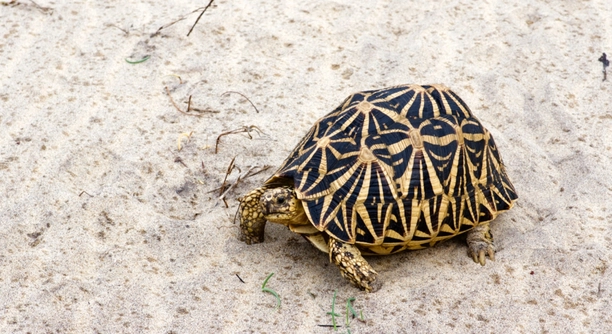
Indian Star Tortoises are known for their striking appearance, but if you notice your tortoise rubbing its eyes frequently, it could indicate underlying health concerns. It’s essential to understand why this behavior occurs and what it means for your pet.
Eye rubbing in Indian Star Tortoises is commonly caused by irritants, infections, or physical discomfort. If the rubbing persists, it may indicate an eye infection, foreign objects, or other health issues that require immediate attention from a veterinarian.
Addressing the cause of this behavior is crucial to maintaining your tortoise’s well-being. Identifying the root cause can ensure a proper treatment plan.
Causes of Eye Rubbing in Indian Star Tortoises
Eye rubbing in Indian Star Tortoises can occur for several reasons, including irritants in their environment, infections, or other health-related issues. A common cause is the presence of dust or bedding material in the enclosure. If the substrate is too rough or dusty, it can irritate the tortoise’s eyes, causing it to rub. Additionally, eye infections, such as conjunctivitis, may lead to similar behavior. These infections can result from bacteria, fungi, or viruses. Other potential reasons for eye rubbing include an allergy to food, chemicals, or even poor humidity levels in the habitat. If your tortoise’s eye rubbing seems excessive or doesn’t stop, it’s essential to take note of the surrounding conditions and its behavior to determine the next steps.
Eye rubbing can also be a sign of physical discomfort, such as inflammation or dryness, in the eyes. It may occur when the tortoise’s eyes aren’t properly lubricated, leading to irritation.
If the behavior continues, consider checking the environment, including lighting and temperature, to rule out environmental factors that might be contributing to the problem.
When to Seek Veterinary Help
If the eye rubbing persists despite adjustments to the environment, it’s essential to consult a veterinarian. A trained professional can help identify underlying causes, such as infections or injuries. In some cases, immediate treatment is necessary to prevent further complications.
A veterinarian will likely perform a thorough examination, looking for signs of infections or injuries. They might also check for dehydration or other underlying issues that could affect the tortoise’s eyes. Additionally, proper hydration and a balanced diet can aid in the healing process.
Environmental Factors Impacting Eye Health
The environment plays a significant role in eye health for Indian Star Tortoises. Improper humidity, lighting, or unsuitable substrates can lead to eye irritation. If the enclosure is too dry or too humid, it can cause discomfort. The wrong type of bedding material can also introduce dust or debris, aggravating the eyes.
Maintaining the right humidity and temperature in the enclosure is crucial. A dry environment can lead to dry eyes, causing rubbing. Too much humidity can cause bacterial growth and infections. Make sure the tortoise’s enclosure is well-ventilated and regularly cleaned to avoid these issues. Replacing bedding materials that cause irritation, like dusty substrates, can also help improve the tortoise’s comfort.
UVB lighting is essential for the health of reptiles. Poor lighting can lead to weak immune systems, making the tortoise more susceptible to eye infections. Ensure the lighting setup is correct and provides adequate UVB rays for the tortoise’s overall health.
Identifying and Treating Eye Infections
If an eye infection is the cause of eye rubbing, it’s important to identify the symptoms early. Infections often cause swelling, discharge, and redness in the eyes. These symptoms can worsen if left untreated, leading to further complications. A veterinarian can provide antibiotics or antifungal treatments to resolve the infection.
Preventing infection involves maintaining a clean and hygienic environment. Remove uneaten food, clean the water dish regularly, and sanitize the enclosure. If you notice any discharge from the eyes, consult a vet immediately to avoid the spread of infection. A proper diagnosis and treatment plan are necessary to ensure the tortoise’s recovery.
Foreign Objects and Debris
Sometimes, small particles or debris can get into the tortoise’s eyes, causing irritation. This could be from the bedding, plants, or even dust in the environment. It’s important to keep the tortoise’s habitat free from any small objects that might cause eye discomfort.
Regular cleaning of the enclosure is necessary. This includes wiping down surfaces and ensuring no sharp objects or tiny particles are left behind. Checking the tortoise’s eyes periodically for foreign debris can also prevent irritation from worsening.
Addressing Dry Eyes
Dry eyes are another common issue for Indian Star Tortoises, especially in environments with low humidity. Dryness can cause discomfort, leading to rubbing and possible injury. Ensure that the tortoise’s habitat is humid enough to prevent this.
Humidity levels should be monitored to ensure they are ideal for the species. Misting the enclosure or using a humidifier can help increase moisture in the air, keeping the tortoise’s eyes hydrated. Additionally, providing access to fresh water daily helps prevent dehydration and dry eyes.
Vitamin A Deficiency
A lack of Vitamin A in a tortoise’s diet can lead to eye problems, including dryness and swelling. This can make the eyes more susceptible to rubbing and infections. Providing a balanced diet with enough Vitamin A can prevent these issues.
Leafy greens, such as dandelion greens, and vegetables like carrots are excellent sources of Vitamin A. You can also offer fruits like papaya and mango as part of a varied diet. If you’re unsure about the tortoise’s diet, consult a vet for recommendations on supplementation.
FAQ
Why does my tortoise rub its eyes?
Eye rubbing in tortoises can be caused by several factors, such as irritants in the environment, eye infections, or discomfort. Common reasons include dust or particles in the bedding, poor humidity levels, or eye infections like conjunctivitis. If the eye rubbing continues, it’s important to check for signs of infection or other issues.
How do I know if my tortoise has an eye infection?
If your tortoise has an eye infection, you may notice symptoms like swelling, discharge, redness, or constant rubbing of the eyes. Sometimes, the eyes may appear cloudy or have excessive tearing. These symptoms indicate that an infection may be present, and you should consult a veterinarian for a proper diagnosis and treatment.
What type of bedding should I use for my tortoise to avoid eye irritation?
For tortoises, it’s best to use bedding that is soft, absorbent, and free from dust. Avoid using sand or any bedding material that creates a lot of dust, as it can irritate the eyes. Reptile carpet, coconut coir, or paper-based bedding are good options. Regular cleaning and replacing bedding also helps maintain a clean environment.
Can poor lighting affect my tortoise’s eye health?
Yes, inadequate lighting can affect your tortoise’s overall health, including its eyes. UVB lighting is crucial for tortoises to absorb calcium and maintain a healthy immune system. Without proper UVB light, your tortoise may become more susceptible to eye infections or other health issues. Make sure the lighting in the enclosure is appropriate for the species.
Is it normal for tortoises to have tears or discharge from their eyes?
Some level of tearing can be normal, especially if the tortoise is in a humid environment. However, excessive discharge or watery eyes could indicate an underlying issue like an infection. If you notice abnormal discharge or a constant watery appearance, it’s best to consult with a veterinarian to rule out infection or other problems.
How do I treat an eye infection in my tortoise?
Treatment for an eye infection depends on the cause. If it’s bacterial, a veterinarian may prescribe antibiotics. If it’s fungal or viral, the treatment will vary. It’s important to avoid attempting home remedies unless instructed by a vet. Keeping the tortoise’s environment clean and adjusting humidity and temperature may help during the recovery process.
Can vitamin A deficiency cause eye issues in tortoises?
Yes, vitamin A deficiency is a common cause of eye problems in tortoises. It can lead to dryness, swelling, and infections. Tortoises need a diet rich in Vitamin A, which can be found in leafy greens, carrots, and certain fruits. If you suspect a deficiency, consult a vet for advice on supplementation.
How can I increase humidity in my tortoise’s enclosure?
To increase humidity, you can mist the enclosure regularly, use a humidifier, or add a water dish that’s large enough to evaporate moisture into the air. Make sure that humidity levels are consistent but not excessive, as too much moisture can lead to other health problems, like fungal growth. Check the humidity with a reliable hygrometer.
What signs indicate my tortoise’s eyes are improving?
If the eyes start to appear clearer and less swollen, that’s a good sign of improvement. Less eye rubbing, reduced discharge, and the tortoise being more active can indicate recovery. If there’s no change or symptoms worsen, seek veterinary care for further evaluation and treatment.
Can a dry environment cause my tortoise to rub its eyes?
Yes, a dry environment can lead to dry eyes, causing irritation and rubbing. If the humidity in the tortoise’s habitat is too low, it can cause discomfort. Make sure the enclosure has proper humidity levels, and provide access to fresh water daily to help maintain eye moisture.
Is there a way to prevent my tortoise from rubbing its eyes?
Prevention starts with maintaining an ideal habitat. Keep the enclosure clean, ensure proper humidity, provide a balanced diet, and check for any foreign objects or debris that could irritate the eyes. Regularly inspect the tortoise for signs of eye problems, and address any issues promptly to prevent rubbing.
Should I clean my tortoise’s eyes?
If there is discharge or buildup around the eyes, gently clean them using a damp, soft cloth or sterile saline solution. Avoid using any harsh chemicals or materials that could harm the eyes. If the eyes seem irritated or if there’s no improvement, seek professional help from a veterinarian.
Can eye rubbing be a sign of dehydration?
Yes, dehydration can lead to dry eyes and discomfort, which may result in eye rubbing. Make sure your tortoise has access to clean water at all times. A properly hydrated tortoise is less likely to develop eye issues caused by dryness or irritation. If dehydration is suspected, consider increasing the water source or misting the enclosure more frequently.
Final Thoughts
Indian Star Tortoises are sensitive creatures that can suffer from various eye issues. Understanding the reasons behind eye rubbing and other related symptoms can help you prevent and treat the problems before they become serious. Whether it’s an environmental factor like dust or low humidity, or a medical issue such as an eye infection or vitamin deficiency, identifying the cause is the first step toward helping your tortoise. It’s important to monitor your pet’s behavior closely and make adjustments to their habitat or diet as needed.
Maintaining a clean, safe, and comfortable environment is crucial for the health of your tortoise. Regular cleaning of their enclosure, checking for foreign objects, and ensuring proper humidity levels can go a long way in preventing eye irritation. Additionally, a balanced diet that includes plenty of leafy greens and vegetables rich in Vitamin A helps keep your tortoise’s eyes and overall health in good condition. Make sure to provide fresh water daily and ensure that the lighting in the enclosure supports their natural needs.
If the eye rubbing persists despite these efforts, it’s essential to consult with a veterinarian. Professional care can determine whether the issue is caused by an infection, nutritional deficiency, or other underlying problems. Early intervention can help resolve the issue before it affects your tortoise’s overall well-being. Regular check-ups can also help catch potential health concerns early on, ensuring your tortoise leads a long, healthy life. By paying attention to your tortoise’s needs and taking the right steps, you can support their health and comfort.

Hello,
If you enjoy the content that we create, please consider saying a "Thank You!" by leaving a tip.
Every little bit helps us continue crafting quality advice that supports the health, happiness, and well-being of pets around the world, for pets of all shapes, sizes, and species.
We really appreciate the kindness and support that you show us!