
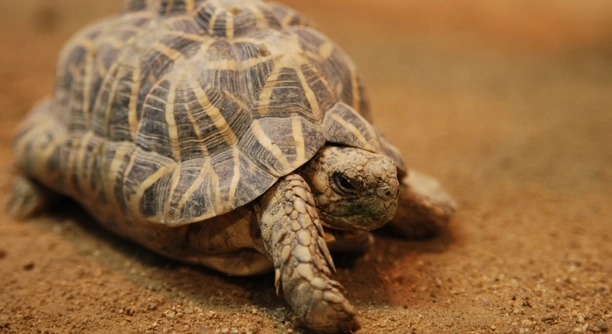
When setting up a home for your Indian Star Tortoise, creating a safe and enriching environment is key. Decorating its tank can enhance its well-being while maintaining a comfortable habitat.
The tank decorations should focus on safety, ensuring that all items are non-toxic and easy to clean. Use natural materials like rocks, branches, and plants to mimic a tortoise’s natural habitat, providing both comfort and stimulation.
Creating a beautiful and safe habitat for your Indian Star Tortoise can improve its quality of life. Proper tank decorations will help stimulate natural behaviors.
Choosing Safe Materials for Your Tortoise Tank
When decorating your Indian Star Tortoise’s tank, choosing the right materials is essential. Natural elements, such as rocks, branches, and plants, create an environment that is both safe and engaging for your tortoise. Avoid sharp or easily breakable objects that could cause harm. Always opt for materials that won’t release harmful chemicals into the tank. Non-toxic, durable materials are the best choice for ensuring your tortoise remains healthy.
Selecting safe materials for your tank will help prevent injuries and keep your tortoise comfortable. Consider using untreated wood, river stones, and safe plants like clover and dandelions.
Avoid synthetic decorations like plastic items or items treated with chemicals, as these may be harmful. Research the materials before using them to ensure they are safe for your tortoise. By creating a safe environment, your tortoise will be able to thrive, reducing stress and promoting natural behavior. Additionally, providing a secure space will help support its overall health and well-being.
Creating Hiding Spots
Providing hiding spots in your tortoise’s tank is vital for its well-being. Tortoises, including Indian Star Tortoises, enjoy having spaces where they can retreat and feel secure. These areas help reduce stress and create a more natural environment.
Use materials like rocks, logs, or small wooden hides to create dark corners or little caves. This mimics the natural hiding spots they would find in the wild, offering both shelter and comfort. Ensure these spots are easy to access and maintain, so your tortoise feels safe at all times.
Regularly clean these hiding spots to ensure they remain free of mold, bacteria, and excess moisture. A dry, clean hiding area helps prevent health problems like skin infections or respiratory issues. Also, check that the hiding spots do not cause entrapment, which could stress or harm your tortoise. Proper hiding spaces will allow your tortoise to express natural behavior and feel more secure in its environment.
Tank Substrate Choices
The substrate you choose is important for both comfort and safety. Natural materials like coconut fiber or organic topsoil make an excellent base for your tortoise’s tank. Avoid sand or gravel as they can cause impaction if ingested.
Opt for substrates that are easy to clean, absorb moisture, and help maintain humidity. Coconut fiber is highly absorbent and will help control odors, making it an ideal option. It also allows for burrowing behavior, which tortoises enjoy.
Always ensure the substrate is free of pesticides or chemicals, as these can harm your tortoise. A clean, safe substrate encourages natural behavior like digging and exploring while supporting proper humidity levels for your tortoise’s health. It also keeps your tortoise’s environment hygienic and comfortable, promoting overall well-being.
Lighting and Heat Sources
Proper lighting and heat are essential for your tortoise’s health. Use a UVB light to provide the necessary exposure for calcium absorption and overall well-being. A heat lamp will maintain the required temperature in the tank.
The temperature should range from 85°F to 95°F during the day, with a cooler area around 75°F. This helps regulate your tortoise’s body temperature. Avoid placing heat lamps directly over hiding spots to prevent overheating.
Regularly monitor the tank’s temperature and replace bulbs as needed. A thermometer and humidity gauge are useful tools for maintaining a stable environment. The right lighting and heat will help your tortoise thrive.
Adding Live Plants
Live plants can enhance the tank’s aesthetic and provide enrichment for your tortoise. Choose non-toxic, edible plants like clover, dandelions, or collard greens. These plants also serve as a natural food source.
Place plants in areas where your tortoise can reach them but also provide room for walking and basking. Live plants help maintain humidity, encourage foraging, and offer a more natural environment.
Ensure that the plants are free of pesticides and chemicals. Regularly trim and clean them to avoid mold and bacteria buildup. Live plants contribute to a more engaging, natural habitat for your tortoise.
Tank Maintenance
Maintaining a clean tank is essential to your tortoise’s health. Remove waste daily and spot-clean the tank to prevent odors and bacteria buildup. Regular water changes keep the habitat fresh.
Cleaning the tank weekly includes changing the substrate, wiping down surfaces, and checking for mold or mildew. A deep clean every month ensures that your tortoise’s environment remains healthy.
FAQ
What size tank does my Indian Star Tortoise need?
A 40-gallon tank is the minimum size for one tortoise, but larger tanks are better for their comfort and well-being. The bigger the tank, the more space your tortoise has to roam, explore, and hide. Ensure there is enough room for a basking area, a cool zone, and space to move around freely. If you have more than one tortoise, increase the size accordingly to prevent overcrowding. The tank should be longer than it is tall, providing ample floor space.
Can I use sand as a substrate for my tortoise’s tank?
It’s not recommended to use sand in your tortoise’s tank. Sand can cause impaction if your tortoise ingests it, which can lead to serious health issues. Instead, opt for safe substrates like coconut fiber, organic topsoil, or grass hay. These options are safer and more comfortable for your tortoise.
Do I need to add water to the tank?
Yes, you should provide fresh water at all times. Use a shallow water dish that’s easy for your tortoise to access. Be sure the water is changed daily to keep it clean and free of bacteria. A small, shallow water dish prevents drowning and helps with hydration. In addition to water, your tortoise may enjoy a shallow soak in a separate container to stay hydrated.
What kind of lighting do I need for my tortoise tank?
UVB lighting is crucial for your tortoise’s health as it helps with calcium absorption and promotes natural behaviors. A UVB light should be placed at one end of the tank, providing your tortoise with a basking area and a cooler area. Additionally, use a heat lamp to maintain the proper temperature range of 85°F to 95°F during the day. Make sure the light source is on for 10-12 hours a day, mimicking natural daylight cycles.
Can I use artificial plants in my tortoise tank?
Artificial plants can be used, but it’s important to choose non-toxic, high-quality ones. Avoid plastic plants with sharp edges, which could hurt your tortoise. Natural plants are a better option for providing enrichment and natural food sources, but if you do use artificial ones, make sure they are safe and easy to clean.
How do I create hiding spots in my tortoise’s tank?
To create hiding spots, use rocks, logs, or small wooden shelters that provide your tortoise with a dark and secure space to retreat to. Ensure these hiding spots are easy to access, with no sharp edges or spaces where your tortoise could get stuck. The hiding spots should be placed in areas that offer some privacy, so your tortoise feels safe when resting.
What is the best temperature for my tortoise tank?
The ideal temperature for your Indian Star Tortoise’s tank is between 85°F and 95°F during the day. This range provides warmth for digestion and activity. At night, the temperature can drop to around 75°F. Ensure there is a temperature gradient so your tortoise can regulate its body temperature by moving between the warm basking area and cooler zones of the tank.
How often should I clean my tortoise’s tank?
Spot-clean the tank daily by removing waste and uneaten food. Perform a full cleaning every week, which includes replacing the substrate, cleaning the water dish, and wiping down surfaces. A deep clean should be done every month, where you replace all substrate, sanitize the tank, and inspect for any mold or bacteria buildup. Maintaining cleanliness reduces the risk of infections and ensures a healthy habitat.
Can I use decorative rocks in the tank?
Decorative rocks can be used, but make sure they are large enough that your tortoise cannot swallow them. They should also be smooth, free of sharp edges, and non-toxic. Place the rocks strategically to provide climbing opportunities or hiding spots. Ensure the rocks are secure and won’t fall over, potentially injuring your tortoise.
What do I feed my Indian Star Tortoise?
Indian Star Tortoises are herbivores and should be fed a variety of leafy greens, such as dandelions, clover, and collard greens. You can also offer flowers like hibiscus, and fruits like melon in moderation. Avoid feeding high-protein foods like meat, as this can cause kidney damage. Always research the specific dietary needs of your tortoise to ensure they are getting the right balance of nutrients.
Can I keep multiple tortoises in the same tank?
It’s best to keep a single tortoise in a tank to avoid territorial disputes. Indian Star Tortoises can be solitary animals and may become stressed or aggressive toward one another. If you wish to keep multiple tortoises, provide a much larger tank and monitor their behavior closely. Separate tanks are often the safest option to prevent injury or stress.
How can I make my tortoise’s habitat more natural?
To make the habitat more natural, mimic the tortoise’s wild environment by adding live plants, rocks, and logs. Use a natural substrate like coconut fiber or organic soil to allow your tortoise to dig and explore. Provide hiding spots and basking areas that resemble the conditions your tortoise would encounter in nature. Avoid overly decorative or artificial items that don’t contribute to the tortoise’s well-being.
Do I need to worry about humidity in my tortoise tank?
Yes, maintaining proper humidity is essential for your tortoise’s health, especially if you live in a dry climate. A humidity level of 50-70% is ideal for Indian Star Tortoises. You can increase humidity by lightly misting the tank, adding a humidifier, or using moist substrates. Be careful not to make the tank too damp, as this can lead to mold or respiratory issues.
Can I place a heat pad in the tank?
Heat pads are not typically recommended for tortoises. They may not provide the appropriate temperature gradient needed for your tortoise to regulate its body temperature effectively. Instead, use a heat lamp or ceramic heat emitter to maintain a consistent temperature throughout the day. Ensure that the heat source is placed above the basking area, not under the substrate.
Is it safe to use a glass tank for my tortoise?
Glass tanks can work for tortoises, but they often lack proper ventilation. Poor airflow can lead to humidity problems and may cause respiratory issues for your tortoise. If using a glass tank, make sure it has a secure lid with proper ventilation. Alternatively, you can use an open-top enclosure or a wooden vivarium with adequate airflow.
Final Thoughts
Creating a safe and comfortable environment for your Indian Star Tortoise requires careful planning. From choosing the right tank size to maintaining proper lighting and temperature, each aspect plays a vital role in ensuring your tortoise’s well-being. Providing a suitable habitat helps reduce stress and encourages natural behaviors, such as basking and foraging. It’s also essential to consider the safety of the decorations and accessories you use, opting for non-toxic and secure items that won’t harm your tortoise.
The diet and hydration needs of your tortoise are just as important as its environment. A balanced, herbivorous diet is key to maintaining good health. Be sure to offer a variety of leafy greens, occasional fruits, and fresh water daily. Avoid high-protein foods and monitor your tortoise’s intake to prevent health issues. Regular soaking can also aid in hydration, especially if your tortoise isn’t drinking enough water on its own. Always keep an eye on your tortoise’s behavior to catch any signs of illness early.
Consistency in maintaining the habitat and the tortoise’s care routine is crucial for its long-term health and happiness. Regular cleaning of the tank, ensuring proper temperature and humidity levels, and offering enrichment in the form of hiding spots and safe climbing opportunities help to create a balanced environment. By taking the time to understand and meet the needs of your Indian Star Tortoise, you are giving it the best chance for a long and healthy life.

Hello,
If you enjoy the content that we create, please consider saying a "Thank You!" by leaving a tip.
Every little bit helps us continue crafting quality advice that supports the health, happiness, and well-being of pets around the world, for pets of all shapes, sizes, and species.
We really appreciate the kindness and support that you show us!