
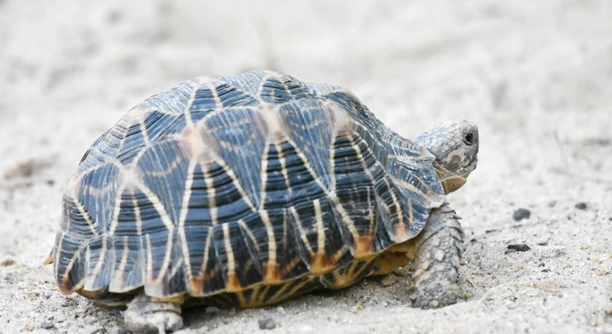
Indian Star Tortoises are active creatures, and you may notice them constantly moving the substrate in their enclosure. This behavior may seem puzzling at first, but it has several reasons related to their natural instincts and environment.
This behavior is often caused by your tortoise’s need to dig and explore. In the wild, they use substrate movement for nesting, foraging, and adjusting their environment. Providing a suitable substrate and proper enclosure will reduce unnecessary activity.
Understanding these factors ensures your tortoise’s well-being and can help maintain a peaceful environment in its habitat.
Why Is Substrate Movement Important?
Tortoises instinctively move their substrate to create a comfortable environment for themselves. In nature, they dig to find food, create shelter, or regulate their temperature. This behavior is a sign of your tortoise’s natural instincts at play. However, constant substrate shifting can also indicate an issue with the substrate itself, like improper moisture levels or inadequate texture. Understanding this behavior can help you maintain a suitable environment that reduces stress and encourages natural activities. Proper attention to the substrate’s quality and placement can minimize unnecessary movement.
Sometimes, your tortoise may shift the substrate simply out of curiosity. This is especially common if there is an abundance of space. They may also be looking for warmth or cooler areas within their habitat. Providing hiding spots and varied temperatures will encourage your tortoise to feel more secure, reducing excess movement.
Offering a more structured environment, such as arranging layers of different substrates or adding rocks, will allow your tortoise to use them for digging. This offers them an outlet for their instincts while keeping the habitat in balance. Be mindful of their needs to avoid substrate-related issues, which could lead to stress.
Substrate Choices and Their Effect on Movement
The type of substrate you use plays a big role in how much your tortoise moves it around. If the substrate is too loose or too compact, your tortoise may become frustrated and shift it more often. Using a mix of sand and soil often works well for stability and comfort.
Ensure the substrate is deep enough to allow your tortoise to dig. A shallow substrate can lead to constant shifting, as they try to bury themselves or explore. The right depth lets them engage in natural behavior without disturbing their surroundings too much. A balance between comfort and functionality is essential.
Keep in mind that if the substrate is too dry or too wet, it may cause your tortoise to adjust it frequently. Moisture levels should be monitored carefully to avoid excess movement. You can improve the environment by misting the area or adding a moisture-retaining substrate like coconut coir, which helps maintain humidity and texture.
Providing Proper Space
Providing the right amount of space allows your tortoise to roam freely without constantly moving its substrate. Tortoises need space to roam and explore, and overcrowding can lead to stress and excessive substrate shifting. A well-sized enclosure allows them to feel secure in their environment.
A larger enclosure reduces the chances of your tortoise moving the substrate too much. If the space is cramped, your tortoise may feel the need to shift things around in search of food or more room. The more space they have, the less they will focus on their substrate and more on natural behaviors. Additionally, providing a variety of hideouts encourages your tortoise to move less.
Environmental Enrichment and Its Role
Tortoises are naturally curious creatures. Lack of stimulation can lead them to move their substrate more often as they search for something interesting. Adding enrichment items like rocks, logs, or plants can keep them occupied and reduce the need for constant substrate shifting.
By incorporating objects for climbing or hiding, your tortoise will engage in more meaningful activities. These items provide mental and physical stimulation, allowing them to satisfy natural instincts without feeling the need to disturb the substrate. A varied habitat promotes exploration, keeping your tortoise busy and satisfied.
Temperature and Humidity Control
Incorrect temperature or humidity levels can also prompt your tortoise to move its substrate more than necessary. If the environment feels uncomfortable, your tortoise may be trying to find a better spot. Regularly check the temperature and humidity to ensure a balanced setup.
A warm basking area and cooler shaded spots are key to offering your tortoise the best habitat. The right temperature gradient allows them to self-regulate their body temperature. Maintaining humidity with regular misting or adding humidity-retaining materials will also reduce unnecessary substrate movement.
FAQ
Why does my Indian Star Tortoise move its substrate all the time?
Constant substrate movement is part of your tortoise’s natural behavior. Tortoises dig to create shelters, find food, or regulate their temperature. If the substrate is not suitable, such as being too dry, wet, or compacted, they may shift it more often. Providing the right substrate and enough space can reduce this behavior.
How deep should the substrate be in my tortoise’s enclosure?
The substrate should be deep enough for your tortoise to dig comfortably. A depth of 3 to 6 inches is ideal, allowing for natural digging and burrowing. A shallower substrate can cause your tortoise to move it more often in search of a better digging spot or comfort.
What type of substrate is best for an Indian Star Tortoise?
A mixture of soil and sand works well for Indian Star Tortoises. This combination allows for good drainage and supports natural behaviors like digging. Coconut coir is another option that helps maintain humidity and can be mixed with sand or soil for added texture. Avoid substrates like gravel or wood chips, as they can harm your tortoise.
Can a dirty or wet substrate cause my tortoise to move it more?
Yes, a wet or dirty substrate can irritate your tortoise, making it try to adjust or move it. To keep the substrate in good condition, regularly spot clean and replace soiled areas. Proper moisture levels are important as well; too much moisture can cause mold, while too little can lead to dryness.
Should I add plants or hides to reduce substrate movement?
Yes, adding plants, rocks, or hides can provide your tortoise with enrichment and reduce the urge to move the substrate. Tortoises are naturally curious, and providing objects for them to explore or hide in can help satisfy their instincts and keep them from constantly shifting the substrate.
How can I maintain the right temperature and humidity in the enclosure?
To maintain the correct temperature, provide a basking light for warmth and a cooler area for your tortoise to retreat to. Use a thermometer to monitor the temperature gradient, which should range from 80°F to 90°F during the day, with a basking spot reaching up to 95°F. To keep humidity levels balanced, mist the enclosure regularly or use a humidity-retaining substrate like coconut coir. Avoid overly damp conditions, as this can lead to other issues.
Can I use a heat mat or ceramic heat emitter instead of a basking light?
A heat mat or ceramic heat emitter can be used in place of a basking light. However, they may not provide as effective UVB light, which is crucial for your tortoise’s health. UVB is important for calcium absorption and preventing shell deformities, so using a basking light that provides both heat and UVB is ideal. If you use a heat mat, ensure there is an appropriate light source for UVB.
How can I tell if my tortoise is stressed?
Signs of stress in your tortoise may include excessive substrate movement, pacing, or refusal to eat. They may also appear lethargic or hide more than usual. If your tortoise is consistently disturbing the substrate or displaying other unusual behaviors, it may be a sign that its environment needs adjustments.
What should I do if my tortoise isn’t eating?
If your tortoise stops eating, check the temperature and humidity levels. Stress, improper conditions, or illness can cause a loss of appetite. A lack of proper UVB lighting or improper substrate may also affect their health. Make sure their diet consists of fresh vegetables and grasses, and provide fresh water daily. If they still refuse food, a vet visit may be necessary to rule out any health issues.
Can overfeeding cause substrate movement?
Overfeeding does not directly cause substrate movement, but it can contribute to obesity and stress in your tortoise, which may lead to more substrate shifting. It is important to feed your tortoise the correct amount of food based on its age and size. Overfeeding can also lead to other health problems, so ensure you are providing the right diet in moderation.
How often should I clean the substrate?
Cleaning the substrate regularly is important to keep your tortoise healthy. Spot clean daily by removing waste and uneaten food. Every 2-4 weeks, fully replace the substrate to ensure a clean environment. Make sure to check for mold or excess moisture during cleaning to prevent issues that may cause your tortoise to move the substrate excessively.
Does my tortoise need a UVB light?
Yes, UVB light is essential for your tortoise’s health. It helps them produce vitamin D3, which is necessary for calcium absorption. Without adequate UVB lighting, your tortoise may develop metabolic bone disease. A good-quality UVB light should be on for about 10-12 hours a day, and should be replaced every 6 months as UVB output decreases over time.
Can stress from handling cause excessive substrate movement?
Excessive handling can cause stress, especially if it is not part of your tortoise’s normal routine. While some tortoises tolerate handling, others may become stressed by it. Stress can cause your tortoise to shift its substrate more often, or display other signs of discomfort. It’s important to handle your tortoise gently and infrequently to reduce stress.
Final Thoughts
Understanding why your Indian Star Tortoise moves its substrate is an important step in ensuring its well-being. Tortoises are natural diggers, and substrate movement is a normal behavior. However, when this behavior becomes excessive, it can indicate an issue with the environment. Factors such as substrate quality, temperature, humidity, and environmental enrichment all play a role in your tortoise’s behavior. By addressing these factors, you can create a habitat that promotes natural behaviors without unnecessary stress or discomfort.
Proper substrate choice is crucial for your tortoise’s health and comfort. A mixture of soil and sand provides a good balance of texture and drainage, allowing for comfortable digging. Additionally, ensuring the substrate is clean and not too wet or dry can reduce the need for your tortoise to move it around. Regular cleaning and monitoring the moisture level are essential to maintaining a healthy environment. Make sure the substrate is deep enough to allow for natural digging but not so deep that it creates a risk of injury.
Temperature and humidity control are also vital. A proper basking area, along with a cooler spot, will help your tortoise regulate its body temperature. If the environment feels uncomfortable, your tortoise may start shifting the substrate in an attempt to find a more suitable spot. Using a thermometer and hygrometer can help you maintain the right balance. Adding enrichment like hides, plants, or climbing objects will give your tortoise mental and physical stimulation, reducing the chances of unnecessary substrate movement. By creating a balanced and enriched environment, you can ensure your tortoise leads a healthy, active life.

Hello,
If you enjoy the content that we create, please consider saying a "Thank You!" by leaving a tip.
Every little bit helps us continue crafting quality advice that supports the health, happiness, and well-being of pets around the world, for pets of all shapes, sizes, and species.
We really appreciate the kindness and support that you show us!