
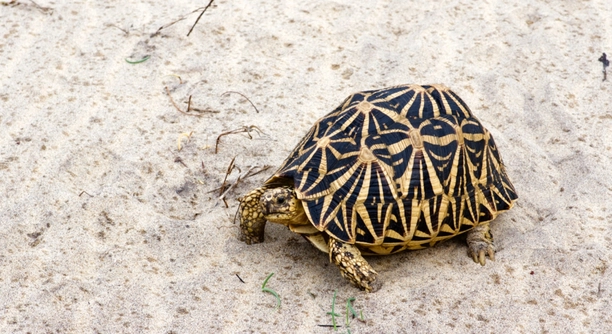
Owning an Indian Star Tortoise can be rewarding, but it requires specific tools to ensure their health and well-being. These tools help in creating the best environment and meet their needs effectively.
Indian Star Tortoises require several essential tools for proper care. A well-maintained enclosure, UVB light, proper substrate, a water dish, a thermometer, a basking lamp, and a feeding dish are crucial for their comfort and health.
Knowing which tools to use will provide your tortoise with a suitable and enriching environment. Understanding their needs ensures their health and happiness.
Essential Enclosure for Your Indian Star Tortoise
The enclosure is the most important tool for your Indian Star Tortoise. It should be spacious enough for them to roam, bask, and hide. A glass or wooden tank with a secure lid is ideal to prevent escape. The size should be at least 4 feet by 2 feet for one tortoise. A proper enclosure will keep them safe and comfortable.
Make sure the enclosure is well-ventilated to avoid excessive humidity. Proper ventilation ensures your tortoise doesn’t feel trapped and can regulate body temperature easily.
A good substrate for the floor is vital. You can use coconut husk, reptile carpet, or a mixture of sand and soil. This helps maintain humidity and offers your tortoise a surface for digging. Always avoid using cedar or pine wood chips, as they can be toxic.
UVB Lighting
UVB light is crucial for your tortoise’s health. It mimics the sun’s rays, helping them synthesize vitamin D3, which is necessary for calcium absorption. Without UVB light, they could develop serious health issues like metabolic bone disease.
The UVB light should cover at least half of the enclosure and be positioned to allow your tortoise to bask in its warmth. The light should be replaced every 6 to 12 months, as its effectiveness diminishes over time.
It is essential to provide a proper day and night cycle. Tortoises need around 10 to 12 hours of light during the day. At night, ensure the enclosure is dark, as this helps regulate their circadian rhythms.
Proper Substrate
The right substrate provides a comfortable surface for your tortoise. It helps with digestion and allows them to dig, which is natural behavior. Avoid using sharp materials that could injure their delicate feet.
A mix of coconut husk, soil, and sand works well for the substrate. It retains moisture while offering a natural feel. Ensure the substrate is deep enough, about 2 to 4 inches, so they can bury themselves. Replacing it every few months will help prevent bacteria buildup.
While cleaning, remove any feces daily and spot clean the substrate. Keep it dry where your tortoise sleeps to avoid any mold growth. You can also add a small area of smooth rocks or tiles for basking.
Water Dish
A shallow, sturdy water dish is necessary for your tortoise’s hydration. It should be large enough for them to soak in, as tortoises naturally enjoy bathing.
Ensure the water dish is shallow enough to prevent drowning but deep enough for soaking. You can choose a ceramic dish to prevent tipping over. Change the water daily to keep it clean and free of bacteria.
Adding a bit of calcium powder to the water can help supplement your tortoise’s diet. Tortoises often drink less when they are dehydrated, so ensure the dish is always filled with fresh water. A well-maintained water dish is key to your tortoise’s well-being.
Basking Lamp
A basking lamp is essential for your tortoise’s temperature regulation. It provides heat during the day, helping them digest food and stay active.
Place the basking lamp on one side of the enclosure to create a temperature gradient. The basking area should reach 90-95°F, while the cooler side stays around 75°F.
Ensure the lamp is positioned safely to avoid burns. Check the bulb regularly to ensure it’s working efficiently, and replace it as needed.
Thermometer
A thermometer allows you to monitor the temperature inside the enclosure. It’s crucial to avoid temperature extremes, which can harm your tortoise.
Use a digital thermometer to get an accurate reading. Place one thermometer on the basking side and another on the cooler side. This ensures the proper temperature gradient for your tortoise’s needs.
Feeding Dish
A feeding dish ensures your tortoise’s food stays clean and fresh. It also helps with portion control, making it easier to manage their diet.
FAQ
What size enclosure do I need for my Indian Star Tortoise?
A 4 feet by 2 feet enclosure is the minimum size for one Indian Star Tortoise. This gives them enough space to move around comfortably. If you plan on keeping more than one tortoise, the enclosure should be larger to avoid territorial issues. A spacious, well-ventilated tank helps create a healthy environment for your tortoise to thrive.
How often should I change the substrate in the enclosure?
You should replace the substrate every 3 to 6 months, depending on the type and how clean it stays. Spot clean the substrate daily by removing waste and uneaten food. Over time, the substrate can break down, so replacing it helps maintain a healthy habitat. Make sure to remove any mold or bacteria buildup as well.
What should I feed my Indian Star Tortoise?
Indian Star Tortoises are herbivores, so they require a diet rich in leafy greens, flowers, and grasses. Offer a variety of food, including dandelion greens, collard greens, and plantain leaves. Avoid feeding them high-oxalate foods like spinach, as it can interfere with calcium absorption. Always offer fresh, clean food.
Can I use sand as the substrate?
Yes, sand can be used, but it should be mixed with soil or coconut husk to create a more natural environment. Sand alone is too dry and does not retain moisture well. A mix of sand, soil, and coconut husk mimics their natural habitat more closely, providing both moisture and a place to dig.
How much water does my tortoise need?
Indian Star Tortoises should have access to water at all times. A shallow water dish is ideal, and it should be changed daily. They enjoy soaking in the water, so ensure the dish is big enough for them to soak comfortably. Dehydration is a concern, especially if your tortoise is not eating well.
Do Indian Star Tortoises need UVB light?
Yes, UVB light is essential for Indian Star Tortoises. It helps them synthesize vitamin D3, which is necessary for calcium absorption. Without proper UVB light, they can develop metabolic bone disease and other health issues. Replace the UVB bulb every 6 to 12 months as its effectiveness decreases over time.
How often should I feed my tortoise?
Feed your tortoise every other day. Younger tortoises may need daily feedings, while adults can go a day without food. A balanced diet of leafy greens, grasses, and occasional flowers will keep them healthy. Ensure they always have access to clean water as well.
What temperature should the basking area be?
The basking area should be kept at 90-95°F (32-35°C). This temperature range is necessary for digestion and overall activity. Use a basking lamp to maintain this heat, and ensure the cooler side of the enclosure stays around 75°F (24°C).
Can I keep multiple tortoises together?
It’s not recommended to house multiple Indian Star Tortoises together unless you have a very large enclosure. Tortoises are territorial animals and may become aggressive toward one another. If you plan to keep more than one, ensure each tortoise has its own space, with separate basking areas and food dishes.
How do I know if my tortoise is sick?
Signs of illness in a tortoise include loss of appetite, lethargy, abnormal shell appearance, runny nose, or labored breathing. If your tortoise shows any of these symptoms, it’s important to consult a reptile veterinarian as soon as possible. Regularly check for any changes in behavior or appearance.
How long do Indian Star Tortoises live?
Indian Star Tortoises have a long lifespan, often living 50 years or more when well cared for. With proper diet, habitat, and medical care, they can live a long, healthy life. It’s important to be prepared for the long-term commitment that comes with owning a tortoise.
Can I take my tortoise outside?
Yes, you can take your tortoise outside, but only in safe, controlled environments. Make sure the outdoor area is secure, and the temperature is within the appropriate range. Never leave your tortoise outside unsupervised, as they can easily escape or get injured.
What kind of lighting should I use for my tortoise?
Use a combination of UVB light and a heat lamp. The UVB light will help your tortoise produce vitamin D3, while the heat lamp will maintain a proper basking temperature. A ceramic heat emitter can also be used at night to maintain warmth without the light. Ensure the light is placed properly to avoid overheating.
How do I clean my tortoise’s enclosure?
Clean your tortoise’s enclosure weekly by removing waste and wiping down surfaces. Use a reptile-safe disinfectant to clean the walls, water dish, and food dish. Make sure to wash your hands thoroughly afterward to avoid transferring harmful bacteria. Change the substrate regularly to maintain a clean and healthy environment.
Do Indian Star Tortoises hibernate?
Indian Star Tortoises do not hibernate in the traditional sense, but they may experience a period of dormancy during colder months. This is a natural behavior in response to changes in temperature and light. Make sure to monitor them during this time, ensuring they are warm enough and still eating.
What humidity level does my tortoise need?
Indian Star Tortoises require a humidity level of around 50-60%. You can maintain this level by misting the enclosure lightly every few days or using a humidity gauge. Too much humidity can lead to mold and respiratory issues, while too little can cause dehydration. Keep the humidity level stable for optimal health.
Can I use artificial plants in my tortoise’s enclosure?
Yes, artificial plants can be used in the enclosure as long as they are safe for reptiles. They can provide hiding spots and help mimic a natural environment. Just ensure the plants are free of sharp edges or toxic materials. It’s also a good idea to periodically clean them to prevent dust buildup.
Final Thoughts
Owning an Indian Star Tortoise requires commitment and attention to detail. Providing the right environment, diet, and care will help ensure that your tortoise thrives for many years. A well-maintained enclosure, proper lighting, and consistent feeding schedules are essential for their health. Additionally, it’s important to monitor their behavior and physical condition, as any signs of illness should be addressed promptly. Regular vet check-ups can also help prevent potential health issues and ensure your tortoise is on track for a long life.
Taking the time to create an appropriate habitat with the right temperature, humidity, and space can make a significant difference in your tortoise’s overall well-being. A basking lamp, a safe water source, and the right substrate are crucial in maintaining a balanced environment. Remember that each tortoise is different, and you may need to adjust some aspects of care based on your tortoise’s specific needs. Ensuring that your tortoise has access to a variety of fresh, nutritious foods and sufficient hydration will also contribute to its health.
As with any pet, caring for an Indian Star Tortoise involves long-term responsibility. Their lifespan can exceed 50 years, making them a commitment that lasts for generations. Understanding their basic needs, from daily care routines to occasional health checks, will help ensure they stay healthy and happy. Whether you are a new tortoise owner or have experience with reptiles, maintaining consistency and providing them with the best possible care is key to forming a strong bond with your pet.

Hello,
If you enjoy the content that we create, please consider saying a "Thank You!" by leaving a tip.
Every little bit helps us continue crafting quality advice that supports the health, happiness, and well-being of pets around the world, for pets of all shapes, sizes, and species.
We really appreciate the kindness and support that you show us!