
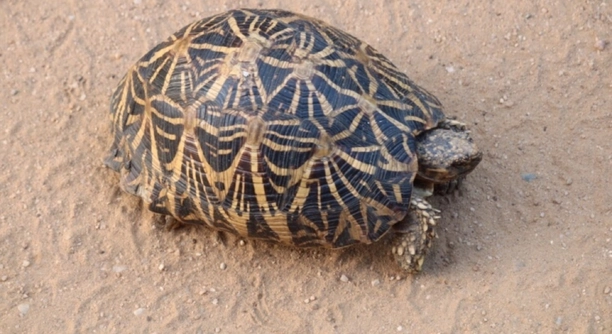
Indian Star Tortoises are beautiful creatures, but sometimes their tank can develop an unpleasant odor. Keeping their environment clean and fresh is important for both their health and your comfort.
To reduce odors in an Indian Star Tortoise tank, regular cleaning, proper ventilation, and the right bedding material are essential. Additionally, using odor-absorbing products and maintaining an appropriate humidity level can significantly minimize any unwanted smells.
There are several simple, effective solutions that will help keep your tortoise’s living space fresh and comfortable. These tips can help you maintain a cleaner, odor-free tank and ensure your tortoise stays happy.
Regular Tank Cleaning
Keeping your Indian Star Tortoise tank clean is the most important step in preventing odors. Over time, waste and leftover food can build up, causing unpleasant smells. A weekly cleaning routine is necessary to keep the tank fresh and odor-free. Remove any uneaten food, change the water, and wipe down surfaces with a mild, tortoise-safe cleaner. Pay special attention to the corners, as they tend to collect waste. Regular cleaning not only helps with odors but also reduces the risk of bacteria, which can lead to health issues for your tortoise.
It’s also helpful to spot clean the tank daily. Doing this will ensure you don’t allow waste to sit for too long and create a stronger odor.
In addition to cleaning, be sure to replace the substrate every 2-3 months. Substrate can trap moisture and waste, which causes odors to linger. Opt for safe, odor-absorbing bedding like coconut coir, as it helps with moisture control and keeps the smell at bay.
Proper Ventilation
Ventilation plays a key role in preventing odors in your tortoise’s tank. Without proper airflow, the humidity can build up and create a stale environment. Ensuring the tank has enough ventilation holes will allow fresh air to circulate, reducing the risk of smells.
A well-ventilated tank allows moisture to escape, keeping the habitat dry and fresh. If the tank is too humid, it will create an environment that encourages the growth of mold and mildew. This can not only lead to bad odors but also affect your tortoise’s health.
You can improve ventilation by adding small holes to the tank’s lid or sides. Ensure the holes are not too large to prevent your tortoise from escaping. Proper ventilation allows fresh air to move through, ensuring your tortoise stays in a healthy and comfortable environment.
Using Odor-Absorbing Products
Odor-absorbing products like activated charcoal, baking soda, or reptile-safe air purifiers can help keep the tank smelling fresh. These products can be placed discreetly in the tank or around the perimeter to neutralize smells.
Baking soda can be sprinkled lightly on the substrate, helping to absorb odors without harming your tortoise. Activated charcoal works similarly by absorbing the moisture and smells in the tank. Keep these products in a breathable container to avoid direct contact with your tortoise while allowing them to do their job.
Air purifiers designed for reptile enclosures are another option. These can help keep the air clean by filtering out impurities and circulating fresh air. Make sure the purifier is placed in a spot that doesn’t disturb your tortoise. Using one will help manage odors without harming your tortoise’s health.
Choosing the Right Substrate
Choosing the right substrate is important in preventing odors from developing. Materials like coconut coir, aspen shavings, or organic soil help maintain the right balance of moisture and dryness in the tank.
Coconut coir is a popular choice because it’s absorbent and helps control moisture. It doesn’t get too wet, which prevents mold growth and minimizes odors. Aspen shavings are also effective at absorbing moisture while offering a comfortable surface for your tortoise to move around on. Organic soil mimics natural conditions, promoting the growth of beneficial bacteria that help break down waste naturally.
Make sure the substrate is not too thick. A thick layer can trap moisture and waste, which can lead to bad odors. Replacing the substrate regularly helps to avoid any build-up and ensures your tortoise has a clean environment to live in.
Maintaining Proper Humidity Levels
Maintaining proper humidity is key to controlling odors in the tank. Too much moisture can promote mold growth, while too little can dry out the environment, making it uncomfortable for your tortoise.
Aim for a humidity level around 50-60% for Indian Star Tortoises. Using a humidity gauge can help you monitor the levels and adjust as needed. If the tank is too dry, lightly mist the substrate with water. If it’s too humid, ensure proper ventilation or reduce water sources. Keeping the humidity balanced will help prevent odors from forming.
Removing Old Food
Leftover food can easily decay and cause unpleasant smells. Make it a habit to remove uneaten food from the tank daily to prevent this.
Rotting food contributes to bacteria growth, which leads to foul odors. Remove any leftovers before they have a chance to break down and contaminate the tank. This simple routine will help maintain a clean and fresh environment for your tortoise.
Cleaning Water Bowls Regularly
Regularly cleaning your tortoise’s water bowl is another essential task to prevent odor buildup. Dirty water can quickly become stagnant and smelly.
Wash the bowl with warm water and a mild soap solution, scrubbing away any debris or algae. A clean water source encourages your tortoise to drink more, which is also important for their health. By keeping the water bowl fresh, you’ll minimize the risk of unwanted smells.
FAQ
What causes odors in an Indian Star Tortoise tank?
Odors in an Indian Star Tortoise tank are typically caused by waste, leftover food, or high humidity levels. When waste builds up, it can lead to bacterial growth, which produces unpleasant smells. Leftover food can also decay and contribute to the odor. Additionally, if the tank has poor ventilation or high humidity, the moisture can encourage mold and mildew, leading to a musty smell.
How often should I clean my tortoise’s tank?
You should clean your tortoise’s tank at least once a week. This includes removing any waste, uneaten food, and changing the water. Spot cleaning the tank daily to remove visible waste will help maintain a fresher environment and prevent odor buildup. Substrate should be replaced every 2-3 months to avoid odor buildup and maintain a clean habitat for your tortoise.
Can I use scented products to mask the odor?
It’s not recommended to use strongly scented products or chemicals in your tortoise’s tank. These can irritate your tortoise’s sensitive respiratory system and negatively affect its health. Instead, rely on natural odor-absorbing products, such as activated charcoal, baking soda, or reptile-safe air purifiers, to control odors safely.
What humidity level is ideal for an Indian Star Tortoise tank?
The ideal humidity level for an Indian Star Tortoise tank is around 50-60%. If the humidity is too high, it can cause mold or mildew to grow, leading to bad odors. If it’s too low, the substrate may dry out and become dusty, which isn’t ideal for your tortoise’s health. Use a humidity gauge to ensure the right balance.
Is there a way to prevent mold in my tortoise’s tank?
Yes, proper ventilation and humidity control are key in preventing mold. Ensure your tank has enough ventilation holes for air to circulate, and monitor humidity levels to keep them within the ideal range of 50-60%. Remove excess water or damp substrate quickly, as mold thrives in wet, stagnant environments. Regular cleaning will also help keep mold growth under control.
Can I use sand as a substrate for my Indian Star Tortoise?
While sand can be used in some tortoise enclosures, it’s not always the best choice for Indian Star Tortoises. Sand can retain moisture and create a dusty environment, which can lead to odors and respiratory issues for your tortoise. It’s better to use substrates like coconut coir or aspen shavings that are more absorbent and help maintain a cleaner, odor-free tank.
What should I do if my tortoise refuses to drink water?
If your tortoise isn’t drinking enough water, it may be due to the water quality or environmental factors like humidity. Ensure the water is clean and fresh, changing it daily. You can also try offering water in different types of bowls or containers. Additionally, misting the tank lightly can encourage your tortoise to drink more. Dehydration can be a serious issue, so keep an eye on your tortoise’s water intake.
How can I keep my tortoise’s water bowl clean?
Clean your tortoise’s water bowl daily to avoid odors and bacteria buildup. Use warm water and a mild dish soap solution to scrub the bowl, then rinse it thoroughly to remove any soap residue. If algae starts to grow in the bowl, use a soft brush to scrub it away. Keeping the water bowl clean will ensure that your tortoise has access to fresh water and prevent unwanted smells.
Should I remove uneaten food from the tank right away?
Yes, you should remove any uneaten food from the tank immediately. Leftover food can decompose, creating an unpleasant odor and attracting pests. By removing food that hasn’t been eaten, you can help maintain a cleaner environment and prevent bacteria growth. Make sure to check the tank daily for any leftover food to keep things fresh.
Can high temperatures cause bad smells in my tortoise’s tank?
Yes, excessively high temperatures can contribute to bad smells. When the temperature in the tank is too high, it can cause the substrate to dry out and may lead to an increase in bacteria growth or mold. Aim for a temperature range of 75-85°F for Indian Star Tortoises and avoid overheating the tank. Use a thermometer to monitor temperature and adjust heat sources as needed to maintain a comfortable environment.
How do I know if the humidity level in the tank is too high?
If the humidity level in your tortoise’s tank is too high, you may notice condensation on the tank’s walls, a damp substrate, or a musty smell. Excess moisture can also cause mold to develop, which will contribute to odors. Use a hygrometer to monitor humidity, and adjust ventilation or misting accordingly to keep it within the ideal range of 50-60%.
Is it safe to use a dehumidifier in my tortoise’s tank?
It’s not recommended to use a dehumidifier directly in your tortoise’s tank, as it could make the environment too dry for your tortoise. However, if the overall room humidity is high, a dehumidifier in the room might help. Be sure to monitor the humidity levels carefully in the tank to avoid causing your tortoise unnecessary stress from low humidity.
Final Thoughts
Keeping your Indian Star Tortoise’s tank clean and odor-free is a manageable task with the right steps. Regular cleaning, proper ventilation, and using odor-absorbing products all play a significant role in maintaining a fresh environment. It’s essential to remove uneaten food daily, spot clean any waste, and replace the substrate when necessary. Cleaning the water bowl regularly will also help prevent bacteria buildup, ensuring your tortoise has access to clean water. By incorporating these simple practices into your routine, you’ll create a healthier and more comfortable habitat for your tortoise.
Humidity control is another crucial factor to keep in mind. Your tortoise’s tank should maintain a humidity level between 50-60% to prevent moisture-related issues. Too much moisture can encourage mold growth and unpleasant odors, while too little can cause dry, uncomfortable conditions for your tortoise. Using a hygrometer can help you monitor the humidity levels, and adjusting ventilation or misting will help keep things balanced. Proper humidity will also prevent any issues with the substrate and promote a healthier environment for your tortoise.
Finally, always ensure that the tank has sufficient ventilation. Fresh air circulation is necessary for reducing the chances of odors lingering and preventing the growth of mold and bacteria. Simple adjustments, such as adding extra ventilation holes or using an air purifier, can help maintain the air quality in the tank. With consistent care and attention to these factors, your Indian Star Tortoise can thrive in a clean, comfortable, and odor-free habitat. Keeping up with these practices not only improves your tortoise’s well-being but also creates a pleasant environment for you to enjoy.

Hello,
If you enjoy the content that we create, please consider saying a "Thank You!" by leaving a tip.
Every little bit helps us continue crafting quality advice that supports the health, happiness, and well-being of pets around the world, for pets of all shapes, sizes, and species.
We really appreciate the kindness and support that you show us!