
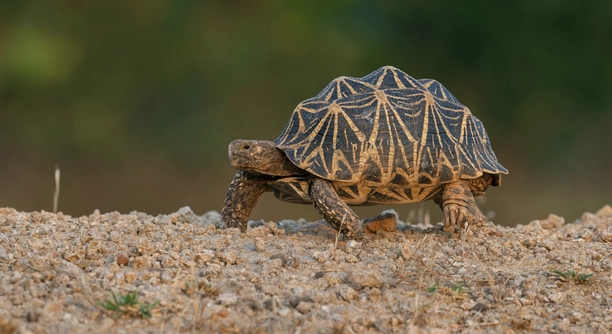
Indian Star Tortoises are fascinating creatures, and their egg-laying process is a crucial part of their life cycle. Understanding their reproductive habits is essential for ensuring their well-being and conservation in the wild.
Indian Star Tortoises lay eggs after mating, usually in the late spring or summer. Female tortoises seek a suitable nesting site, where they dig a hole to deposit their eggs. These eggs are left to incubate on their own.
Knowing how to care for these tortoises during the egg-laying process is key to supporting their health and helping to protect the species. The right environment can make all the difference in the survival of the eggs.
The Egg-Laying Process of Indian Star Tortoises
Indian Star Tortoises lay eggs after mating, with the female typically finding a quiet, safe spot to nest. She digs a hole using her back legs and carefully places her eggs inside. Afterward, she covers them up and leaves the nest. The eggs remain buried for several months, usually around 2 to 4 months, depending on the temperature. The process is completely natural, and the female doesn’t provide any further care for the eggs once laid. The temperature of the surrounding environment is critical for the development of the eggs and will also determine the sex of the hatchlings.
The nesting process can take several hours, so it’s important that the female tortoise is not disturbed during this time.
Proper care of the environment, such as keeping the temperature consistent, helps ensure the success of the egg-laying process. This step is vital for protecting the species and providing future generations with the chance to thrive.
Factors Affecting Egg Development
The temperature around the eggs plays a significant role in determining their development. If it’s too cold, the eggs may not hatch. If it’s too hot, the eggs could become overcooked and fail. Most tortoises need a stable temperature for their eggs to develop properly. The correct incubation temperature typically ranges from 28°C to 30°C. Humidity is also important. Too much moisture can lead to mold growth, while too little can cause dehydration.
These factors affect the development of the eggs. Adjusting conditions, like placing the eggs in an incubator, can help mimic the natural environment and create optimal conditions for hatching. The most successful breeding programs carefully monitor these elements.
How to Identify When a Female Indian Star Tortoise is Ready to Lay Eggs
The female Indian Star Tortoise will show signs when she is ready to lay eggs. She may become more restless, digging in various spots as she searches for the perfect nesting place. She will also stop eating as much. These behaviors signal that the egg-laying process is approaching, and she needs a suitable, undisturbed area to lay her eggs.
To support her during this time, provide a quiet, safe environment where she can dig without interruptions. The area should be soft enough for her to dig, but firm enough to ensure the eggs won’t shift once laid. Make sure the temperature stays within the right range to promote egg development.
Offering her a clean, dry space can encourage her to lay eggs. Avoid disturbing her too much while she’s searching for a place to dig. It’s important not to rush her and let her find a spot that feels comfortable for her egg-laying process.
Managing the Incubation of Indian Star Tortoise Eggs
Once the eggs are laid, it’s essential to manage the incubation process. Keep the eggs in a safe, temperature-controlled environment. An incubator is a great option for mimicking natural conditions. Maintaining the right humidity levels and temperature is crucial for successful hatching. The ideal temperature range is between 28°C and 30°C.
Monitor the eggs closely but avoid disturbing them. Make sure they remain undisturbed during the entire incubation period. The eggs should be placed in a shallow dish, with a layer of slightly damp substrate to help with humidity control. You’ll need to turn the eggs gently once a week to ensure even development. Keep an eye on the temperature and humidity, adjusting as needed to provide the best chance for hatching.
The incubation process can take around 2 to 4 months. Once the eggs start to hatch, make sure you’re ready to give the hatchlings a proper, safe environment to grow in. After hatching, the young tortoises should be moved to a separate, safe enclosure.
How to Tell If Indian Star Tortoise Eggs Are Fertile
To determine if Indian Star Tortoise eggs are fertile, gently candling them can help. Candling involves shining a light through the eggshell to look for signs of development inside. Fertile eggs will show veins or an embryo, while infertile eggs will appear clear.
It’s important to handle the eggs carefully during candling. Too much handling can damage the eggs or disrupt their development. This method is most effective when done a few weeks into the incubation period. If you’re unsure, consider seeking advice from a veterinarian or an experienced breeder to confirm the fertility of the eggs.
Managing the Hatchlings After They Emerge
Once the eggs hatch, move the hatchlings to a separate enclosure with appropriate warmth and humidity. They need a warm, dry space to acclimate and start feeding. Make sure they have access to clean water and food suitable for their age. A diet rich in leafy greens and vegetables will help them grow.
Provide the hatchlings with a hiding space to ensure they feel safe. Avoid overhandling them during their early days. Allow them to settle in and explore their new environment. Keeping them in a calm, stable space helps prevent stress and encourages healthy growth.
Common Challenges in Egg Laying
Egg-laying in Indian Star Tortoises can sometimes come with challenges. Some females may struggle to find the right nesting spot or may lay eggs in unsuitable areas. If the tortoise becomes overly stressed, it can affect her egg-laying process. Ensure her environment is quiet and stress-free.
FAQ
How often do Indian Star Tortoises lay eggs?
Indian Star Tortoises typically lay eggs once a year. The egg-laying season usually occurs in the warmer months, typically between late spring and summer. However, some females may lay eggs more than once during a season if environmental conditions are favorable. It’s important to keep an eye on your tortoise during this time to ensure she has the right conditions for laying.
How many eggs do Indian Star Tortoises lay at once?
On average, a female Indian Star Tortoise will lay between 2 and 12 eggs in one clutch. The number can vary based on the tortoise’s age, size, and health. Younger tortoises may lay fewer eggs, while older, larger females tend to lay more eggs. After laying, the female will leave the eggs to incubate naturally.
What should I do if my Indian Star Tortoise isn’t laying eggs?
If your female tortoise isn’t laying eggs, it may be due to stress, poor environmental conditions, or health issues. Ensure she has a proper nesting area with soft soil for digging. Make sure her diet is balanced, and she’s receiving enough calcium. If the issue persists, it’s a good idea to consult with a veterinarian to check for underlying health problems.
Can I handle the eggs after they are laid?
It’s best not to handle the eggs too much once they are laid. Handling them can increase the risk of damaging or contaminating them. However, if you need to move them to an incubator, be sure to do so gently. Use a soft, clean tool to carefully transfer them without turning or shaking them. Avoid turning the eggs more than necessary as it can harm the developing embryo inside.
How can I maintain the right temperature for incubating the eggs?
Maintaining the proper temperature is crucial for the development of the eggs. The ideal temperature range is between 28°C and 30°C. You can use an incubator with a thermostat to regulate the temperature. A consistent temperature throughout the incubation period is key to ensuring successful hatching. Check the temperature regularly to make sure it stays within the right range.
What happens if the temperature is too low or too high?
If the temperature is too low, the eggs may not develop properly, or they could take longer to hatch. If the temperature is too high, it can cause the eggs to overheat, leading to the death of the embryos. Consistently monitoring and adjusting the temperature can help ensure the best conditions for hatching.
How can I tell if the eggs are fertile?
Candling is the most effective method for checking if Indian Star Tortoise eggs are fertile. This involves shining a light through the eggshell to look for signs of embryo development. Fertile eggs will show blood vessels and a developing embryo. Infertile eggs will appear clear or cloudy. Be gentle when candling to avoid damaging the eggs.
How long does it take for Indian Star Tortoise eggs to hatch?
The incubation period for Indian Star Tortoise eggs typically ranges from 2 to 4 months. The exact time depends on the temperature and humidity levels. Higher temperatures may speed up the hatching process, while cooler temperatures can cause the eggs to take longer to hatch. It’s important to be patient and allow the process to unfold naturally.
What should I do after the eggs hatch?
Once the eggs hatch, it’s important to move the hatchlings to a safe, warm environment. They should have access to clean water and a diet suitable for their age, such as leafy greens and vegetables. Provide a hiding spot to help them feel secure. Ensure the temperature and humidity in their enclosure are appropriate for young tortoises.
Can Indian Star Tortoises lay eggs without mating?
Yes, female Indian Star Tortoises can lay eggs without mating. This is known as “parthenogenesis,” a form of asexual reproduction. While the eggs will not be fertilized and will not hatch, the female may still go through the physical process of laying them. However, if the tortoise has mated, the eggs are more likely to be fertilized.
Do Indian Star Tortoise eggs need to be kept in a special environment?
Yes, Indian Star Tortoise eggs need to be kept in a stable, warm environment with controlled humidity. If you are incubating the eggs, an incubator is ideal for maintaining consistent temperature and moisture levels. The eggs should be kept in a clean, shallow dish with slightly damp substrate to support proper humidity.
How can I help a female Indian Star Tortoise that seems stressed during egg-laying?
If a female Indian Star Tortoise seems stressed, it’s important to minimize disturbances. Make sure she has a quiet, safe environment to lay her eggs. Avoid handling her too much during this time. Providing her with a soft area to dig and a calm atmosphere can help reduce her stress and encourage successful egg-laying.
What do I do if the eggs are not hatching after a long time?
If the eggs have been incubating for an extended period without hatching, check the temperature and humidity levels to ensure they are within the correct range. If the conditions are ideal, but the eggs are still not hatching, they may be infertile or damaged. It’s helpful to consult a professional to assess the situation.
How can I tell if the eggs are dead?
Dead eggs will appear discolored or cloudy. You might also notice a strong odor or mold growth, which are signs that the eggs have decomposed. It’s essential to remove dead eggs from the incubator to prevent contamination and give the healthy eggs the best chance to hatch.
Can Indian Star Tortoises lay eggs in captivity?
Yes, Indian Star Tortoises can lay eggs in captivity if they have a suitable environment. The enclosure should have a safe and quiet nesting area where the female can dig and lay her eggs. Proper temperature and humidity control are essential to ensure the eggs incubate successfully and hatch.
Final Thoughts
Understanding the egg-laying process of Indian Star Tortoises is essential for anyone caring for these beautiful creatures. From the moment a female tortoise starts preparing to lay her eggs to the hatching of the young, the process requires careful attention. It’s important to provide the right environment to support successful egg-laying and incubation. This includes maintaining stable temperatures, creating a quiet and undisturbed space for the female to lay her eggs, and ensuring proper care after the eggs hatch. By providing these conditions, you can support both the mother and her future offspring.
Caring for Indian Star Tortoises during the egg-laying process also involves understanding their natural instincts and behaviors. Females need privacy and time to find a suitable spot to lay their eggs, so it’s important not to rush or disturb them. Once the eggs are laid, keeping track of their incubation conditions is crucial. Regularly checking the temperature and humidity ensures the eggs develop properly. Patience is required, as the incubation period can take several months. It’s a delicate process that demands consistency and attention to detail, but it’s also rewarding to see the hatchlings emerge.
Overall, caring for Indian Star Tortoises during their reproductive cycle is about creating a safe and healthy environment where the tortoises can thrive. Whether you are helping a female lay her eggs or caring for hatchlings, following the right practices can make a big difference. A stable habitat, proper diet, and a bit of patience will contribute to the successful reproduction and long-term health of these fascinating animals. By being mindful of their needs, you’ll help ensure their continued survival and growth in both captive and wild environments.

Hello,
If you enjoy the content that we create, please consider saying a "Thank You!" by leaving a tip.
Every little bit helps us continue crafting quality advice that supports the health, happiness, and well-being of pets around the world, for pets of all shapes, sizes, and species.
We really appreciate the kindness and support that you show us!