
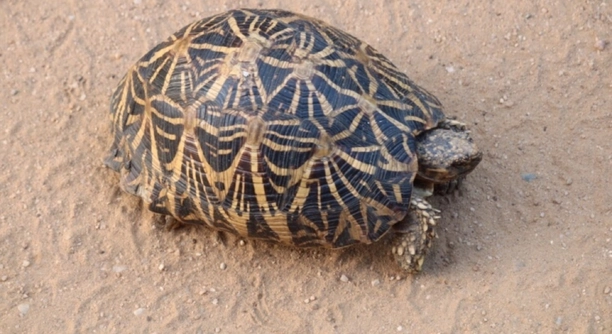
Indian star tortoises are unique creatures that require a well-balanced diet for optimal health. Ensuring they receive the right vitamins is crucial for their overall well-being. Knowing which vitamins are essential for their health can help them thrive.
Essential vitamins for Indian star tortoises include A, D, E, K, C, and B complex. These vitamins support their immune system, shell growth, and metabolism, while also preventing deficiencies and ensuring their digestive system functions properly.
Providing these vitamins regularly helps maintain a healthy tortoise. Understanding their specific needs will ensure their health and long-term vitality.
Vitamin A: Vital for Vision and Immunity
Vitamin A is crucial for Indian star tortoises, especially when it comes to maintaining their vision and immune system. It helps keep their eyes healthy and supports the development of their shells. Vitamin A also aids in preventing respiratory issues, which can be common in captive tortoises. Without enough of this vitamin, your tortoise may experience vision problems or immune system deficiencies, making it vulnerable to infections.
A deficiency in vitamin A can lead to poor growth and other health complications. Ensuring they get enough of this vitamin through a well-balanced diet is essential for their longevity.
Good sources of vitamin A for Indian star tortoises include dark leafy greens like collard greens, dandelion greens, and squash. These vegetables provide a natural source of beta-carotene, which the tortoises convert into vitamin A. Adding these to their meals will significantly support their health.
Vitamin D: Necessary for Calcium Absorption
Vitamin D plays a significant role in helping Indian star tortoises absorb calcium from their diet. It works alongside calcium to maintain bone strength and shell development. Without adequate vitamin D, calcium won’t be absorbed effectively, leading to brittle bones and shell deformities. This can severely affect the tortoise’s quality of life and even shorten its lifespan.
To make sure your tortoise gets enough vitamin D, you should provide access to sunlight or UVB lighting. UVB rays are essential for the tortoises to produce vitamin D naturally. If your tortoise lives indoors, consider investing in a good UVB light to mimic the effects of natural sunlight.
Vitamin E: Protects Against Oxidative Stress
Vitamin E acts as a powerful antioxidant, helping protect your tortoise’s cells from oxidative stress and damage. This vitamin is crucial for overall health, especially in maintaining a healthy immune system. It also supports muscle function and skin health. Without adequate vitamin E, tortoises may experience slower healing from wounds and be more prone to infections.
Including leafy greens such as kale, turnip greens, and mustard greens in your tortoise’s diet can help provide a good amount of vitamin E. These foods also offer other nutrients that support overall wellness, making them essential to their diet. Regular access to these vegetables will ensure your tortoise gets the full benefits of this vitamin.
It’s important to balance vitamin E intake because too much can lead to health issues. Be mindful of offering varied, nutrient-rich foods to provide a well-rounded source of vitamin E, without overdoing it.
Vitamin K: Essential for Bone Health
Vitamin K is vital for Indian star tortoises, primarily due to its role in bone health. It helps with the regulation of calcium and ensures that bones and shells remain strong. Without sufficient vitamin K, your tortoise could experience fragile bones, leading to deformities or fractures. Ensuring your tortoise gets enough of this vitamin is crucial for maintaining their physical integrity.
Leafy greens, such as collard greens and kale, are great sources of vitamin K. These vegetables help your tortoise get the required nutrients to keep their bones and shell strong. Regular intake of these greens, alongside other nutritious foods, will significantly support their overall health.
Vitamin C: Supports Healing and Immunity
Vitamin C is vital for the immune system and helps in wound healing. It also acts as an antioxidant, protecting the cells from damage. Indian star tortoises need this vitamin to prevent scurvy and to maintain healthy skin. Without enough vitamin C, their overall health could deteriorate quickly.
Fruits like papaya and citrus are excellent sources of vitamin C. Including these in their diet will help support their immune system. However, be careful not to overfeed fruits due to their sugar content. A balanced intake of these fruits will provide the necessary vitamin C without the risk of excess sugar.
B Vitamins: Essential for Energy and Metabolism
B vitamins, particularly B1 (thiamine), B2 (riboflavin), and B3 (niacin), play an essential role in your tortoise’s metabolism and energy production. These vitamins help break down food and convert it into energy, allowing your tortoise to thrive. They also support nerve function, ensuring your tortoise stays active and healthy.
A varied diet rich in greens, like dandelion greens and clover, provides a solid source of B vitamins. These vitamins also assist in maintaining the tortoise’s appetite, digestion, and overall well-being. Offering a mix of fresh plants will ensure they are getting all the necessary nutrients.
Vitamin A Deficiency and Its Effects
A deficiency in vitamin A can lead to a range of health issues, from poor eyesight to respiratory infections. It can also cause skin problems, making your tortoise more susceptible to environmental stress. Without enough of this vitamin, their immune system may struggle to fight off illnesses.
FAQ
How do I ensure my Indian star tortoise gets enough vitamins?
To make sure your tortoise gets all the vitamins it needs, offer a well-rounded diet that includes a variety of dark leafy greens, vegetables, and occasional fruits. These foods provide essential vitamins like A, D, E, K, and C. You can also use calcium and vitamin D supplements if needed, especially for indoor tortoises with limited sun exposure. Regular exposure to UVB lighting helps in the production of vitamin D. Keep an eye on their diet to avoid deficiencies or over-supplementation, as balance is key.
What are the signs that my tortoise is lacking in vitamins?
A tortoise with a vitamin deficiency may show signs such as lethargy, poor shell growth, soft or deformed shells, or changes in their skin condition. If they’re not eating, have difficulty moving, or show signs of respiratory infections, this could indicate a lack of important vitamins, especially vitamin A or D. Regular monitoring of your tortoise’s behavior and physical health can help you spot potential issues early on.
Can vitamin A be toxic for my tortoise?
Yes, too much vitamin A can be harmful. Excessive amounts can lead to toxicity, which may cause symptoms such as swelling, lethargy, and even damage to the liver. It’s crucial to maintain a balanced diet, ensuring they get enough vitamin A without over-supplementing. Offering food that is naturally rich in vitamin A, like leafy greens and orange vegetables, is a safer method to ensure proper intake.
How much sunlight does my tortoise need for vitamin D?
If your tortoise spends time indoors, it should be exposed to UVB light for about 10-12 hours a day. UVB light helps them synthesize vitamin D, which is necessary for calcium absorption. If possible, provide outdoor time in safe, controlled environments where they can get natural sunlight. Just be cautious about exposure during extreme weather conditions.
Is it safe to feed my tortoise fruits?
Yes, fruits can be a good source of vitamins like vitamin C, but they should be offered in moderation. High sugar content in fruits can lead to health problems such as obesity or digestive issues. Stick to fruits like papaya, melon, or small amounts of citrus, ensuring they don’t make up the majority of their diet.
Should I be worried about over-supplementing my tortoise’s diet?
Over-supplementing can lead to health issues, especially when it comes to vitamins and minerals. While supplements can help fill gaps in their diet, it’s better to rely on natural food sources to provide most of the nutrients. When supplementing, follow the instructions carefully and consult with a vet if you are unsure about the right dosage.
What if my tortoise isn’t eating enough?
If your tortoise is not eating, it could be due to several factors, including environmental stress, improper diet, or health issues. Check that their enclosure is at the right temperature, humidity, and light levels. Offer fresh, appealing food, and ensure their diet is diverse. If they continue to refuse food, it’s best to consult a vet.
Can I feed my tortoise all types of greens?
Not all greens are safe for tortoises. While most dark leafy greens, such as kale, collard greens, and dandelion greens, are excellent choices, some greens like spinach and lettuce should be limited. Spinach contains oxalates, which can interfere with calcium absorption, and lettuce offers minimal nutritional value. Always research the specific types of greens you plan to feed.
How can I tell if my tortoise’s shell is healthy?
A healthy tortoise shell should be hard, smooth, and free from cracks or soft spots. If you notice any discoloration, soft areas, or if the shell seems unusually pliable, it could indicate a vitamin deficiency or other health issues. Regularly check the shell for signs of damage and monitor the tortoise for any signs of discomfort or abnormal behavior.
What’s the best way to hydrate my tortoise?
Hydration is important for tortoises, especially for digestion. Offer fresh water daily, and occasionally provide a shallow dish for them to soak in. Some tortoises may enjoy soaking in warm water for a short period, as it helps with hydration and also aids in shell maintenance. Never force them into water; always allow them to choose.
Final Thoughts
Maintaining the health of an Indian star tortoise involves ensuring they receive the right balance of nutrients, including essential vitamins. A proper diet rich in dark leafy greens, vegetables, and occasional fruits will provide most of the vitamins needed for their well-being. Additionally, ensuring they have access to UVB light will help with the synthesis of vitamin D, which is necessary for calcium absorption. By focusing on a well-rounded and natural diet, you can keep your tortoise healthy and vibrant.
It’s important to avoid over-supplementation, as this can cause harm. Relying on natural food sources for vitamins and minerals is generally safer. Supplements should only be used when needed and under the guidance of a veterinarian. Regular monitoring of your tortoise’s health, including their shell, skin, and overall behavior, will help you spot any signs of deficiencies early on. This can help you make adjustments to their diet before health issues arise.
Ultimately, your Indian star tortoise’s health is in your hands. By providing a balanced diet, proper sunlight exposure, and careful attention to their well-being, you will help them live a long, healthy life. Keep in mind that each tortoise is unique, so always observe their individual needs. If you’re ever unsure, don’t hesitate to consult a vet specializing in reptiles to ensure your tortoise gets the best care possible.

Hello,
If you enjoy the content that we create, please consider saying a "Thank You!" by leaving a tip.
Every little bit helps us continue crafting quality advice that supports the health, happiness, and well-being of pets around the world, for pets of all shapes, sizes, and species.
We really appreciate the kindness and support that you show us!