
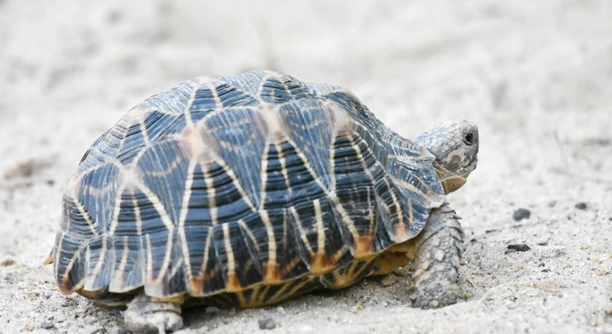
Building a proper tank for an Indian Star Tortoise is an important task. Ensuring a healthy and comfortable environment for them helps keep them safe and happy. It’s not just about having space, but the right setup.
When creating a tank for Indian Star Tortoises, avoid improper humidity levels, poor lighting, incorrect substrate, insufficient space, harsh décor, unclean water, and sudden temperature changes. These factors can lead to health problems and discomfort for your tortoise.
These tips will help guide you in creating the ideal tank. Knowing what to avoid is crucial to maintaining a safe and comfortable home for your pet.
1. Incorrect Humidity Levels
When setting up your tank, humidity plays a crucial role in your Indian Star Tortoise’s health. These tortoises thrive in a warm and slightly humid environment. Too much or too little humidity can lead to skin shedding problems or respiratory issues. It’s important to maintain a humidity level between 50-70%. If the humidity is too high, it can cause mold growth, making the tank unsafe. On the other hand, low humidity can dry out your tortoise’s skin, causing it to become flaky and uncomfortable. Regularly monitor the humidity using a hygrometer to keep it in check.
The key to proper humidity is balancing the moisture level to mimic your tortoise’s natural habitat. This ensures their well-being and prevents discomfort. Too much moisture, however, can be just as damaging as too little. Always use a reliable thermometer and humidifier or mist the tank when necessary.
Taking these simple steps will keep your tortoise comfortable. Too little or too much humidity can create issues. Managing it properly will avoid many of these problems and give your tortoise the environment it needs.
2. Poor Lighting and UVB Exposure
Proper lighting is another essential factor for your tortoise’s health. Without it, your tortoise may develop shell deformities, weakened bones, or other health issues due to a lack of proper UVB exposure. Tortoises need UVB light to synthesize vitamin D3, which helps them absorb calcium from their food. Without adequate lighting, their bones will not develop properly, leading to metabolic bone disease.
It’s recommended to place a UVB bulb in the tank for at least 10-12 hours a day. Additionally, use a basking lamp to provide warmth during the day. This setup mimics the natural cycle of day and night that your tortoise would experience in the wild. Just remember to change the UVB bulb regularly, as its effectiveness decreases over time.
Setting up proper lighting is easy but necessary. It can prevent costly health problems and keep your tortoise strong and active. With the right lighting, you will be able to replicate the sun’s essential benefits for your tortoise’s well-being.
3. Improper Substrate
The substrate you choose for your tortoise’s tank matters. Too soft or rough material can cause problems like ingestion, skin irritation, or even injury. Avoid using sand or fine gravel, which can be ingested by your tortoise while it forages. Instead, opt for safe options like coconut coir, aspen shavings, or leaf litter. These materials allow for proper drainage and are easy to clean.
A proper substrate also helps regulate humidity in the tank, making it easier to keep the right conditions for your tortoise. Additionally, these substrates allow for natural digging behavior, which is essential for their mental stimulation. This ensures that your tortoise can burrow or explore, promoting better health and activity.
By selecting the right material, you avoid complications such as digestive issues or respiratory problems. A safe substrate also ensures that your tortoise’s environment stays cleaner and more comfortable, helping to prevent stress. Choosing wisely can make a big difference in their overall well-being.
4. Insufficient Space
When it comes to tank size, bigger is always better. Your Indian Star Tortoise needs plenty of room to roam, explore, and exercise. A cramped tank leads to stress and poor health. Even though tortoises are slow movers, they require enough space to stretch out and feel secure in their environment.
The minimum recommended size for an adult tortoise is around 40-50 gallons. However, if possible, provide more space, as they tend to be more active than you might expect. A larger tank allows for a basking area, cool zones, and space for them to roam freely. This space is crucial for mental stimulation and overall health.
A small tank can result in your tortoise becoming lethargic or stressed, and it may start displaying unwanted behaviors like digging excessively or pacing. Offering more room encourages natural behavior and helps to maintain a healthier tortoise. A bigger setup means a better quality of life.
5. Harsh Décor
Decorative items in the tank need to be safe and suitable for your tortoise. Avoid sharp rocks, plastic items, or anything that could cause injury. Rough surfaces can damage their shell, while plastic decorations can be harmful if chewed or ingested. Stick to natural, smooth materials.
Natural decorations like wooden hides, smooth rocks, or safe plants help create a comfortable environment without the risk of injury. Ensure these objects are securely placed so your tortoise can’t accidentally topple or swallow them. Keeping the décor simple also makes cleaning easier, reducing bacteria buildup.
Providing safe décor not only prevents injury but also makes the environment more enjoyable for your tortoise. They will appreciate hiding spots or climbing areas. This contributes to their mental stimulation, ensuring they remain active and comfortable in their habitat.
6. Unclean Water
Water should be fresh and clean at all times. Tortoises drink and soak in their water, and dirty water can quickly lead to health problems like infections or dehydration. Be sure to clean the water dish daily to keep it safe for your tortoise.
A shallow water dish is ideal, allowing your tortoise to soak comfortably. Make sure the water is always free of debris and that it’s changed regularly. You should also monitor the water’s temperature, as it shouldn’t be too cold or too warm for your tortoise to drink or bathe in.
Having access to clean water is essential for your tortoise’s hydration and overall health. A simple, regular cleaning routine ensures that your tortoise has a safe and clean environment. It also helps prevent any build-up of harmful bacteria, keeping your pet healthy and happy.
FAQ
How often should I clean my tortoise’s tank?
Cleaning your tortoise’s tank should be done at least once a week. However, it’s important to spot clean daily by removing any waste, leftover food, or uneaten plants. This helps maintain hygiene and prevents the buildup of bacteria. The water dish should also be cleaned and replaced daily. When doing a full tank cleaning, remove the substrate and replace it with fresh material to prevent odors and keep your tortoise’s home fresh and safe.
Can I use a heat lamp instead of UVB light?
No, a heat lamp and a UVB light serve different purposes. While the heat lamp provides warmth, it does not offer the necessary UVB radiation your tortoise needs to produce vitamin D3. UVB light is crucial for your tortoise to absorb calcium and maintain healthy bones and shell. Ensure both a heat lamp and a UVB light are included in your tank setup to provide the right balance of warmth and sunlight.
What should I feed my Indian Star Tortoise?
Indian Star Tortoises are herbivores. Their diet should consist mainly of leafy greens like dandelion, kale, and collard greens. They can also eat grasses, flowers, and some fruits. Avoid feeding them high-oxalate or high-phosphorus foods, such as spinach and broccoli, which can interfere with calcium absorption. It’s important to also provide a calcium supplement to support their shell and bone health. Make sure the food is chopped or shredded to the appropriate size for your tortoise to eat easily.
How can I tell if my tortoise is stressed?
Stressed tortoises may exhibit signs like lethargy, refusal to eat, hiding more than usual, or excessive pacing. A stressed tortoise may also show signs of aggression or try to escape the tank. Stress can be caused by factors such as improper tank conditions, inadequate diet, or sudden changes in their environment. It’s essential to assess the tank’s humidity, temperature, and lighting to ensure it’s a comfortable space for your tortoise. Stress can also result from handling or environmental changes, so make sure to provide a stable environment.
Can I house more than one tortoise in the same tank?
It’s not recommended to house multiple tortoises together unless you have enough space and resources. Tortoises are territorial and may fight, especially if they are not of the same sex. Males may become aggressive, particularly during mating seasons. If you do choose to house multiple tortoises, ensure there’s enough space and resources for each one. Each tortoise should have its own basking area and water dish to avoid competition. Monitor their behavior closely for signs of stress or aggression.
Do Indian Star Tortoises need a special type of bedding?
Yes, the bedding or substrate should be safe, absorbent, and easy to clean. Avoid sand, gravel, or wood chips, as they can be harmful if ingested or cause respiratory issues. Good options include coconut coir, aspen shavings, or a mixture of organic soil and leaf litter. This substrate allows your tortoise to dig naturally, which is important for their mental stimulation. It also helps maintain the correct humidity levels in the tank. Make sure the bedding is not too deep to prevent your tortoise from becoming trapped.
What is the ideal temperature for an Indian Star Tortoise tank?
The ideal temperature for your tortoise’s tank should range between 75-85°F (24-29°C) during the day. You’ll need a basking spot that’s warmer, typically around 90°F (32°C), so your tortoise can regulate its body temperature. At night, the temperature can drop slightly but should not fall below 65°F (18°C). Consistent temperature is key; sudden fluctuations can cause stress or health problems for your tortoise. A thermostat and heat lamps can help maintain the right temperature range.
How do I keep my tortoise active and engaged?
Providing environmental enrichment is essential to keeping your tortoise mentally and physically active. Add objects like rocks, logs, or safe plants they can climb on or hide under. A variety of different substrates for digging and burrowing also provides stimulation. Ensure the tank is large enough for your tortoise to move around freely and explore. You can also occasionally introduce new objects or rearrange their environment to encourage exploration. Tortoises are naturally curious, and a well-kept tank will ensure they stay active and happy.
Is it safe for my tortoise to roam outside the tank?
While it’s okay to allow your tortoise to roam outside the tank for supervised exercise, you should be cautious. Make sure the area is secure and free from predators, and that the ground is safe (no chemicals, pesticides, or other hazards). Tortoises can wander off if not monitored, so always stay close when they are outside the tank. Never leave them unsupervised. If you allow outdoor time, ensure it’s in a safe, fenced-in area or use a tortoise playpen to keep them contained.
How can I tell if my tortoise is healthy?
A healthy tortoise is active, eats regularly, and has clear, bright eyes. Its shell should be smooth, with no cracks, sores, or discoloration. The skin should be free of lesions or excessive shedding. If your tortoise is lethargic, has a poor appetite, or shows signs of respiratory issues like wheezing, it could indicate a health problem. Regular veterinary checkups can help identify potential issues before they become serious. Keep track of your tortoise’s behavior, diet, and appearance to ensure it’s thriving.
Final Thoughts
Building a proper tank for your Indian Star Tortoise is crucial for its health and happiness. By avoiding common mistakes like incorrect humidity, poor lighting, and improper substrate, you can provide a comfortable and safe environment. Ensuring that the tank is large enough, with secure decorations and clean water, helps your tortoise feel secure and reduces stress. It’s easy to overlook some of these factors, but they make a big difference in your tortoise’s well-being. A little attention to detail can prevent many common health issues and promote a long, healthy life.
Regular maintenance is key to keeping your tortoise’s environment healthy. Cleaning the tank, monitoring humidity and temperature, and offering fresh food and clean water should be part of your routine. It’s also important to check for any signs of stress or illness, as early detection can make treatment easier. Tortoises thrive when their habitat mimics their natural environment, so adjusting the tank setup as needed will ensure your tortoise remains comfortable and active. With the right care, your tortoise will enjoy a fulfilling life in its home.
Taking the time to learn about what your tortoise needs shows a commitment to its health. While there’s no one-size-fits-all solution, small adjustments to its habitat will go a long way. Keeping your tortoise’s tank clean, properly lit, and spacious will help it feel safe and secure. It may take a bit of trial and error to get the setup just right, but your efforts will pay off in the form of a happy, healthy tortoise.

Hello,
If you enjoy the content that we create, please consider saying a "Thank You!" by leaving a tip.
Every little bit helps us continue crafting quality advice that supports the health, happiness, and well-being of pets around the world, for pets of all shapes, sizes, and species.
We really appreciate the kindness and support that you show us!