
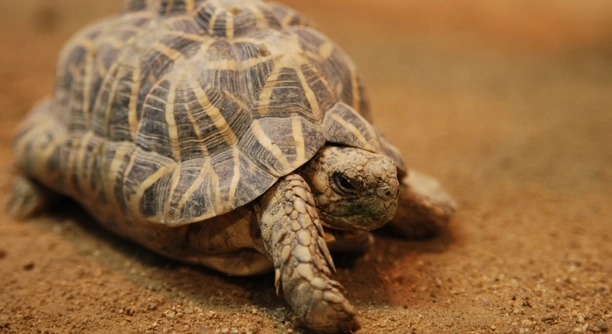
Indian star tortoises are fascinating creatures with unique dietary needs. Their health and well-being depend on the food they consume, which is why it’s essential to provide them with a balanced diet. A varied diet plays a key role in their overall health.
A varied diet ensures that Indian star tortoises receive a wide range of nutrients, promoting healthy growth and immune function. It helps prevent nutritional deficiencies, supports digestion, and contributes to their long-term vitality by mimicking their natural feeding habits.
Offering a mix of food options will improve their quality of life. By understanding how different nutrients benefit them, you can better care for these stunning creatures. Let’s explore the seven key reasons why variety matters in their diet.
1. Nutritional Balance Is Key
Providing a balanced diet helps Indian star tortoises get the right amount of vitamins and minerals. In the wild, these tortoises naturally feed on a mix of plants, grasses, and fruits, which offers them a variety of nutrients. By replicating this diet at home, you can ensure they get what they need for healthy growth.
A varied diet helps in maintaining a proper balance of fiber, protein, and vitamins. This combination supports digestion and prevents health problems, like obesity or malnutrition. Offering a range of foods also promotes the tortoise’s natural instincts and encourages foraging behavior, keeping them active and engaged.
In addition, some foods contain antioxidants that help boost immunity. Providing a mix of vegetables like kale, collard greens, and dandelion greens, along with the occasional fruit, helps them stay strong and resistant to illness. By introducing different food items into their meals, you are creating a well-rounded diet that mirrors their natural eating habits. This is essential for long-term health and happiness.
2. Preventing Deficiencies
A lack of variety in food can lead to specific deficiencies. Star tortoises are prone to calcium and vitamin D3 deficiencies, which can result in weakened shells and bones. Offering a variety of foods ensures they receive the necessary nutrients.
Calcium is one of the most crucial minerals for tortoises. Without enough, their shells can become soft and brittle, leading to serious health concerns. Offering foods rich in calcium, such as clover, and supplementing their diet with calcium powder can help avoid these issues. Regular exposure to natural sunlight also plays a key role in calcium absorption, so make sure your tortoise gets enough UVB light.
A varied diet helps address all their nutritional needs, ensuring no deficiencies arise. Additionally, the right balance of food items can prevent long-term problems related to poor health, like metabolic bone disease. By offering a range of food choices, you’re giving them the best chance at a healthy, happy life.
3. Promoting Healthy Digestion
A varied diet promotes healthy digestion by providing different fibers and nutrients. It helps ensure that the tortoise’s digestive system functions properly, preventing constipation or bloating. It also encourages a balanced gut microbiome, which supports overall digestive health.
By offering foods like grasses, hay, and various leafy greens, you help maintain regular bowel movements. These types of food contain fiber that supports digestion and keeps the intestines moving efficiently. When you rotate these food choices regularly, it also helps the tortoise’s gut stay active and healthy.
Incorporating different types of food into their diet encourages the natural behavior of foraging. This can make meals more interesting and prevent boredom, which can lead to stress. Stress can also disrupt digestion, so by providing variety, you’re also supporting a calm and healthy digestive system.
4. Enhancing Mental Stimulation
Variety in food doesn’t just benefit physical health; it also stimulates the mind. Indian star tortoises are curious creatures. Offering different food items keeps them mentally engaged, preventing boredom.
When they are given a mix of food, they actively search for new items to try. This foraging behavior not only satisfies their instincts but also provides mental exercise. This kind of activity helps prevent stress, which can be a major cause of health issues in tortoises.
By making their meals more varied, you add an element of surprise. For example, offering a new type of leaf or fruit now and then keeps them on their toes. This mental stimulation is just as important as their physical health, helping to promote overall well-being.
5. Supporting Shell Health
Providing a varied diet contributes to strong and healthy shells. Different foods offer specific nutrients that help maintain the tortoise’s shell integrity. This includes a balance of calcium and magnesium, which are key for shell development.
A lack of variety in their meals can lead to poor shell health. The shells may become soft or weak, making them more prone to injury. Foods rich in calcium, such as leafy greens and certain fruits, along with a proper diet, ensure the tortoise’s shell remains strong. A good diet helps them maintain their protective outer layer.
6. Helping with Hydration
Offering a varied diet can assist in keeping your tortoise hydrated. Some foods, like fruits and leafy vegetables, have high water content. Including them in their meals ensures they receive adequate hydration, even if they aren’t drinking much.
Hydration is essential for tortoises, as it helps with digestion and overall bodily functions. Providing water-rich food in combination with fresh water can help maintain proper hydration. This can also prevent dehydration, which can lead to serious health issues.
7. Strengthening Immune Function
A varied diet can improve the immune system of Indian star tortoises by ensuring they receive a broad spectrum of nutrients. Foods like vitamin-rich greens, fruits, and flowers help boost immunity, making them less susceptible to diseases.
Consuming different types of food provides essential vitamins and minerals, such as vitamins A and C, that contribute to a healthy immune response. These nutrients help strengthen their defenses, keeping them protected from illnesses and infections. A diet that mimics their natural intake of various foods helps their body remain resilient and ready to fight off potential threats.
FAQ
1. What are the best foods to offer an Indian star tortoise?
The best foods for Indian star tortoises include a variety of leafy greens like dandelion greens, collard greens, and kale. You can also feed them grasses, clovers, and weeds like plantain. Fruits such as strawberries, papaya, and melon should be offered in moderation. Foods high in calcium, like clover and certain grasses, are important to maintain strong bones and shells. It’s also essential to provide some flowers like hibiscus and dandelion for variety. Remember, the key is diversity – no single food can provide everything your tortoise needs.
2. How often should I feed my Indian star tortoise?
Feeding frequency depends on the age and activity level of the tortoise. Young tortoises require daily feeding, as they are growing and need more nutrients. Adult tortoises can be fed every other day or every third day. It’s important to not overfeed them, as obesity can lead to health problems. You should also vary the amount of food based on their size and needs, making sure they don’t have excess food left over. Always monitor their health, as overeating can affect their digestion.
3. Can I feed my tortoise commercial tortoise food?
Commercial tortoise food can be part of your tortoise’s diet but shouldn’t be the sole source of nutrition. Many commercial foods are fortified with nutrients, but they lack the natural variety that tortoises need. Using these foods occasionally, combined with fresh vegetables, grasses, and fruits, helps ensure they get a more balanced and natural diet. Be sure to check the ingredients list, avoiding those with too many artificial additives. Fresh food will always provide a wider range of nutrients than prepackaged options.
4. Can I feed my tortoise foods like lettuce and carrots?
Lettuce should be fed in moderation. While it’s not harmful, it has little nutritional value compared to other greens like kale or dandelion greens. Carrots are fine to feed occasionally, but they are high in sugar and should not be a staple of their diet. Overfeeding carrots can lead to digestive issues. Focus on providing more fibrous greens and grasses, which are better for their digestive health and overall nutrition.
5. Should I be worried about pesticide residue on fruits and vegetables?
Yes, pesticide residue can be harmful to your tortoise. It’s always best to wash fruits and vegetables thoroughly before offering them to your tortoise. If possible, opt for organic produce, as it’s less likely to contain harmful chemicals. You could also consider growing your own plants to ensure they’re pesticide-free. Always ensure that any flowers or plants you provide are safe and free from any harmful chemicals or pesticides.
6. How do I ensure my tortoise gets enough calcium?
To ensure your tortoise gets enough calcium, offer foods that are naturally high in calcium, like clover and leafy greens. You can also dust their food with a calcium supplement, especially if they are not getting enough from their diet. Some owners also provide cuttlefish bone as a calcium source, as tortoises can nibble on it. Regular exposure to UVB light is crucial as it helps them absorb calcium properly, so make sure they have access to a UVB light source if they are indoors.
7. Can my Indian star tortoise eat flowers?
Yes, Indian star tortoises can eat a variety of flowers. Flowers such as hibiscus, dandelions, and clover flowers are safe and beneficial for them. These provide both nutritional value and mental stimulation as they enjoy foraging. Just make sure the flowers haven’t been treated with pesticides or chemicals. You should always ensure that any flowers you feed them are safe for consumption and not toxic to tortoises.
8. Is it okay to feed my tortoise fruits every day?
Fruits should be given in moderation, not as a daily food. Fruits are high in sugar and water, which, while tasty, can cause digestive issues or lead to unhealthy weight gain if fed too often. Offering fruit a few times a week is sufficient for providing the occasional treat. Stick to fruits that are low in sugar, like berries and melons, and always monitor your tortoise’s health and weight.
9. What should I do if my tortoise refuses to eat?
If your tortoise refuses food, first check if the food is fresh and appropriately prepared. Sometimes, tortoises will be picky about certain foods or may prefer their food in different shapes or textures. Try offering a variety of options, including their favorite greens, to see if that sparks their interest. If they continue to refuse food for more than a couple of days, it could indicate stress, illness, or an improper environment, so make sure their habitat conditions are ideal. If the problem persists, consult with a veterinarian for further advice.
10. Can my tortoise eat cooked vegetables or should they be raw?
It’s best to feed your tortoise raw vegetables, as cooking can strip away important nutrients. Raw greens and vegetables are richer in fiber, which is crucial for their digestion. Cooking vegetables may alter their natural chemical composition, which could make them less beneficial. Stick to fresh, raw vegetables like kale, dandelion greens, and zucchini to provide the most nutritional value.
In summary, providing a varied diet for your Indian star tortoise is essential for their overall health and well-being. Offering a mix of leafy greens, grasses, flowers, fruits, and the occasional commercial food item ensures that they receive a balance of nutrients. This variety helps prevent deficiencies, supports healthy digestion, and boosts their immune system. It also encourages natural behaviors, like foraging, which can keep your tortoise mentally engaged and active. Just as in the wild, where they encounter a range of foods, a diet full of variety can mimic their natural eating habits and contribute to a long and healthy life.
It’s important to understand that each tortoise may have slightly different dietary preferences or needs, depending on their age and activity level. Young tortoises require more frequent feedings, while adults may eat less often. Observing their behavior and adjusting their diet accordingly will help you ensure they are eating enough. A balanced diet that includes high-calcium foods, such as clover and certain leafy greens, is key to preventing shell and bone issues. Supplementing their food with calcium powder, especially if you are feeding them non-calcium-rich plants, is also beneficial. Fresh water should always be available as part of their diet to keep them hydrated and support healthy digestion.
By offering variety and paying attention to their dietary needs, you’re not just feeding them; you’re enhancing their quality of life. This approach not only ensures they receive the necessary nutrients but also helps keep them engaged and curious. Tortoises that are well-fed with a diverse range of foods tend to thrive better and show fewer signs of stress or health problems. Remember that maintaining a proper diet is an ongoing process, and it’s always good to stay informed about the best practices for feeding your tortoise. Regular checkups with a vet and adjustments to their diet based on their health and activity level will help you maintain their well-being in the long run.

Hello,
If you enjoy the content that we create, please consider saying a "Thank You!" by leaving a tip.
Every little bit helps us continue crafting quality advice that supports the health, happiness, and well-being of pets around the world, for pets of all shapes, sizes, and species.
We really appreciate the kindness and support that you show us!