
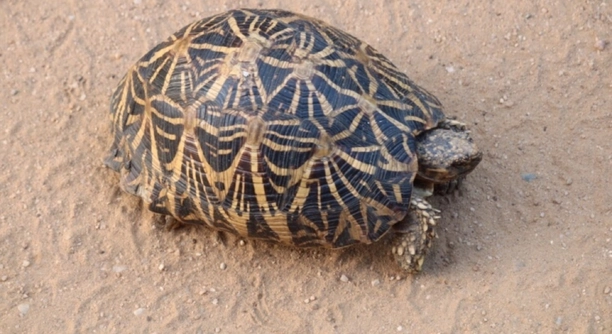
Indian Star Tortoises are fascinating creatures, and understanding their hibernation process is crucial for their well-being. Proper care during this time ensures their health and longevity. In this article, we’ll cover how to manage their hibernation.
To handle Indian Star Tortoise hibernation, it is essential to maintain the right environmental conditions. Ensure a cool, quiet area with moderate humidity and temperature. Proper monitoring of their diet and hydration is necessary to support healthy hibernation.
With these steps, you’ll be equipped to care for your tortoise during hibernation, ensuring their safety and comfort throughout the process.
Understanding the Hibernation Process of Indian Star Tortoises
Hibernation is a natural process for Indian Star Tortoises, allowing them to conserve energy during colder months when food is scarce. It is not just a period of rest but a crucial phase in their life cycle. Typically, tortoises will enter hibernation when temperatures drop, usually between 50°F and 60°F (10°C to 15°C). The process can last from a few weeks to several months, depending on environmental conditions. During this time, their metabolism slows down significantly, allowing them to survive without food or water. However, hibernation can be risky if the conditions aren’t right. It is important to monitor temperature and humidity levels carefully, as extreme fluctuations can be harmful.
Maintaining the proper environment during hibernation will help your tortoise avoid complications. An optimal temperature range and adequate humidity are necessary for their well-being. A steady environment ensures they hibernate peacefully and safely.
A hibernation period that is too warm or too cold can lead to health issues, such as dehydration or respiratory problems. Therefore, creating a controlled environment with a cool, stable temperature is crucial for their survival. Always ensure your tortoise has access to a quiet, dark space, away from disturbances that could cause stress. Regularly check the humidity and temperature levels, making adjustments as needed.
Key Precautions During Hibernation
Precautions taken during hibernation play a significant role in preventing potential health issues.
A vital precaution is to stop feeding your tortoise a few weeks before hibernation begins. This allows their digestive system to clear out any food, preventing it from rotting in their stomach. Additionally, checking for any signs of illness beforehand ensures they are healthy before entering hibernation. If any health concerns are noted, consult a vet before allowing your tortoise to hibernate.
Prior to hibernation, check your tortoise’s overall health. This includes making sure it has a healthy weight and has received proper nutrition. Tortoises that are too thin or weak may struggle during hibernation, potentially causing harm. An unhealthy tortoise may have a harder time recovering after the hibernation period. Take time to closely observe their behavior, making sure they are not showing signs of stress or illness. Ensure they are regularly hydrated before the hibernation period, as dehydration can be fatal during this time. You may also want to provide them with extra calcium and vitamin D3 prior to hibernation, as this helps with bone strength and overall health.
Preparing the Hibernation Space
The hibernation space should be cool, dark, and quiet to mimic natural conditions. This environment reduces stress and promotes a healthy hibernation. Use a container or enclosure with proper ventilation to allow air flow while maintaining a stable temperature.
Place the tortoise’s enclosure in an area that stays within the ideal temperature range. A basement or a temperature-controlled room works well. Avoid placing the tortoise in areas where temperatures fluctuate, such as near windows or heating vents. Ensure the enclosure is clean and dry before placing the tortoise inside.
Using a substrate like dry soil or sand is ideal for the bottom of the enclosure. It helps with insulation and keeps the environment stable. Check the enclosure regularly to ensure the temperature and humidity remain consistent. You should also provide a shallow bowl of water that can be accessed without the risk of drowning.
Monitoring Temperature and Humidity
Consistent monitoring of the temperature and humidity levels is critical to a successful hibernation.
Install a thermometer and hygrometer to track these levels daily. The ideal temperature should be between 50°F and 60°F (10°C to 15°C), with humidity levels ranging from 60% to 80%. If the room’s air is too dry, you can increase the humidity by placing a damp towel or a small humidifier nearby. This helps to prevent dehydration during the hibernation process. Make sure there are no drastic changes in temperature, as it could interrupt the tortoise’s natural hibernation rhythm.
If you notice the environment is too cold or too warm, make adjustments immediately. An underheated hibernation space may cause the tortoise to wake up prematurely, while a too-warm space can cause dehydration and stress. Maintaining a stable environment is vital for their well-being throughout the hibernation period.
Preparing Your Tortoise for Hibernation
Before hibernation begins, stop feeding your tortoise to allow its digestive system to empty. This prevents food from rotting inside its body. Ensure that the tortoise is in good health, as weak or sick tortoises may not survive hibernation.
Check the tortoise’s weight and overall condition. Tortoises should have a healthy body weight before hibernation. If your tortoise appears underweight, it may need a few extra weeks of proper feeding before entering hibernation. A well-fed tortoise can enter hibernation more easily and recover after the period.
Managing Their Hydration
Ensure your tortoise is well-hydrated before the hibernation period begins. Offer water frequently in the weeks leading up to hibernation. Dehydration can be harmful, especially when the tortoise’s metabolism slows during hibernation.
If your tortoise is not drinking water on its own, you may need to provide additional hydration methods. A warm bath can help hydrate the tortoise before it enters hibernation. Be sure to allow the tortoise to drink from the bath, as this can provide a significant source of hydration.
Checking for Signs of Illness
Before starting hibernation, it’s essential to check your tortoise for any signs of illness. Look for abnormal behaviors like lack of appetite or sluggishness. If you notice anything unusual, consult a vet.
Tortoises in poor health should not be allowed to hibernate. Illness can worsen during hibernation and be harder to address. A healthy tortoise is more likely to withstand hibernation and recover when it’s over. Always prioritize your tortoise’s health before deciding to let it enter this state.
FAQ
What is the ideal temperature for hibernating Indian Star Tortoises?
The ideal temperature for hibernating Indian Star Tortoises ranges between 50°F and 60°F (10°C to 15°C). This temperature range mimics natural conditions, allowing the tortoise to enter a state of dormancy without risking overheating or becoming too cold. Maintaining this stable temperature is crucial for their survival during the hibernation period.
How long should my tortoise hibernate?
The length of hibernation varies, but it typically lasts between 6 to 12 weeks. Tortoises in the wild may hibernate longer, but in captivity, it’s best to monitor their health and adjust the hibernation period as needed. If the environment is stable, they will naturally adjust to the hibernation period.
Can I hibernate my tortoise in a refrigerator?
Yes, you can use a refrigerator as long as the temperature stays between 50°F and 60°F (10°C to 15°C). It is a good option for controlling the environment, but make sure the fridge isn’t opened frequently. Too much fluctuation in temperature can disrupt the hibernation process.
How do I know if my tortoise is ready for hibernation?
A healthy tortoise is ready for hibernation if it has reached a stable weight and shows no signs of illness. Tortoises should not be underweight, as it can make the hibernation process more dangerous. Check for good hydration and make sure it has a proper diet before entering hibernation.
What should I do if my tortoise wakes up during hibernation?
If your tortoise wakes up from hibernation, check the temperature and humidity of its environment. A warm or dry space may cause the tortoise to stir. If necessary, return the tortoise to its hibernation space and monitor it closely. If it wakes up multiple times, contact a vet for advice.
Should I feed my tortoise during hibernation?
No, you should not feed your tortoise during hibernation. Its metabolism slows significantly, and feeding can cause undigested food to sit in the stomach, potentially leading to health issues. Before hibernation, ensure that your tortoise is properly hydrated and has emptied its digestive system.
How can I prepare my tortoise’s environment for hibernation?
Prepare the environment by ensuring a temperature range of 50°F to 60°F (10°C to 15°C), with humidity levels between 60% and 80%. A dark, quiet, and insulated space is ideal. Use a substrate like dry soil or sand to maintain temperature stability. Make sure the enclosure is clean and free from disturbances.
Can I hibernate a young tortoise?
It’s not recommended to hibernate young tortoises. Juveniles are still growing and may not have the body weight or strength needed to survive the hibernation period. Wait until they are older and have reached a healthy weight before considering hibernation.
What are the signs that my tortoise is sick before hibernation?
Signs of illness in a tortoise include lack of appetite, unusual lethargy, respiratory issues, or swelling. If your tortoise shows any of these signs, it’s best to delay hibernation and seek advice from a vet. A healthy tortoise will be more capable of handling the hibernation period.
How often should I check on my tortoise during hibernation?
Check on your tortoise at least once a week to monitor the temperature, humidity, and overall environment. Avoid disturbing the tortoise too much, as it could disrupt its hibernation. If any issues arise, like temperature fluctuations, address them immediately.
Can my tortoise hibernate outside?
In warmer climates, it is possible for a tortoise to hibernate outdoors, but only if the conditions are right. The hibernation space must be cool, dry, and free from predators. However, outdoor hibernation is not recommended in colder areas, as it can expose the tortoise to extreme weather conditions.
What should I do if my tortoise has trouble waking up after hibernation?
If your tortoise has trouble waking up, it may be a sign of dehydration, malnutrition, or an improper hibernation environment. Gently warm the tortoise and provide a shallow bath to encourage hydration. If it does not respond after several hours, consult a vet immediately.
Is it necessary to provide a water source during hibernation?
While a water source is not necessary during hibernation, it’s a good idea to place a shallow dish of water in the enclosure. It can help maintain humidity and provide hydration if needed. However, make sure it’s not deep enough for the tortoise to drown.
What should I do if my tortoise doesn’t want to hibernate?
If your tortoise refuses to hibernate, it could be due to an improper environment or an underlying health issue. Ensure the temperature, humidity, and overall conditions are ideal. If the tortoise still resists, consult a vet to rule out any health problems.
Final Thoughts
Hibernation is an essential part of an Indian Star Tortoise’s natural life cycle, and understanding the process helps ensure their well-being. The key to a successful hibernation period lies in proper preparation. This includes making sure your tortoise is in good health, well-fed, and hydrated before entering hibernation. A consistent, cool environment with the right temperature and humidity is necessary to mimic natural conditions. If you take the time to manage these factors, your tortoise is more likely to come through the hibernation period safely and healthily.
It’s important to remember that not all tortoises should hibernate, especially younger ones or those that are underweight or sick. Hibernating an unhealthy tortoise can cause serious health problems, including dehydration or malnutrition, and may lead to long-term damage. Always consult a veterinarian before deciding to hibernate your tortoise, particularly if you’re unsure about its health. By checking their condition and monitoring their behavior closely, you’ll be in a better position to make the right decision about hibernation.
After hibernation, take your time in helping your tortoise adjust back to normal activity. Gradually increase its food and water intake while maintaining a stable temperature. Keep a close eye on their behavior to make sure they are fully awake and healthy. If you notice any unusual signs or behaviors after hibernation, seek veterinary advice right away. Understanding the hibernation process and its impact on your tortoise will help you give them the best care, ensuring they stay healthy and happy throughout the year.

Hello,
If you enjoy the content that we create, please consider saying a "Thank You!" by leaving a tip.
Every little bit helps us continue crafting quality advice that supports the health, happiness, and well-being of pets around the world, for pets of all shapes, sizes, and species.
We really appreciate the kindness and support that you show us!