
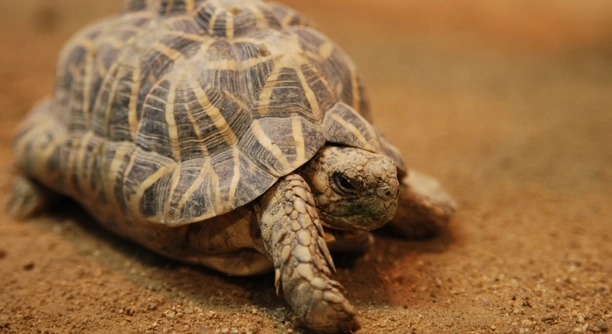
Indian Star Tortoises are known for their gentle nature, but sometimes they may make a hissing sound. Understanding this behavior can help you provide better care for your pet. Let’s explore the possible reasons behind this sound.
Hissing in Indian Star Tortoises often occurs due to stress, fear, or discomfort. It can also be a way to communicate with their environment or express irritation. In some cases, hissing may indicate an issue with their health or habitat.
This guide will help you identify the reasons for your tortoise’s hissing and provide tips to create a more comfortable environment.
Common Causes of Hissing in Indian Star Tortoises
Hissing is a natural response for many animals, including Indian Star Tortoises. It’s often linked to stress or fear, especially when they feel threatened or uncomfortable in their surroundings. This can happen if they are introduced to new environments or feel cornered. Tortoises may hiss as a form of self-defense to warn predators or potential threats to back off. Another common reason for hissing is handling. While some tortoises are more tolerant of human interaction, others may become stressed when touched or moved too suddenly. A sudden change in their routine, like a change in diet or habitat, can also trigger this response.
Stress isn’t always the only factor. Some health issues may lead to hissing as well. Respiratory infections are one example, where the tortoise may exhibit abnormal behaviors, including hissing. It’s important to check for any signs of illness if your tortoise’s hissing seems unusual or frequent.
Observing your tortoise’s behavior carefully will help you distinguish between stress and potential health concerns. Regular checks on their environment and physical condition can prevent long-term issues. You’ll need to ensure that your tortoise has a comfortable, consistent environment that supports their health. This means providing the right temperature, humidity, and ample space. Regular vet visits are also essential for maintaining their well-being. A well-kept habitat promotes a calm tortoise, reducing unnecessary hissing behavior.
How to Handle Your Indian Star Tortoise Properly
Avoiding excessive handling and giving your tortoise space can help reduce stress. Keep the interactions calm and gentle.
Tortoises thrive when they have their own space and routine. If you notice your tortoise hissing when handled, it may be a sign of discomfort. To address this, it’s important to learn the proper techniques for handling. Avoid picking them up too often, especially when they’re not showing interest in interacting. When you do handle your tortoise, make sure to support its body fully and avoid sudden movements. Slow, deliberate actions will make them feel more secure. Additionally, allowing them to explore their environment without constant interference can help build trust. Let your tortoise come to you on its own terms.
Respiratory Infections and Hissing Behavior
A common cause of hissing is respiratory infections. Tortoises are prone to respiratory issues, and a build-up of mucus or difficulty breathing may make them more likely to hiss. You may also notice other signs, like wheezing, nasal discharge, or lack of appetite.
If you suspect your tortoise is sick, it’s important to take them to a vet. Respiratory infections can worsen if left untreated. Maintaining proper humidity and temperature levels in their habitat is essential to preventing respiratory problems. Avoid drafts, and make sure they have a warm, dry area to rest. Timely intervention can help your tortoise recover quickly.
Environmental Factors That Affect Hissing
Environmental stress can contribute to hissing. If their enclosure is too small, noisy, or unstable, they may feel unsafe. Changes in temperature, humidity, or lighting can also cause stress. Tortoises prefer consistency, and sudden shifts in their environment can be unsettling.
Check your tortoise’s habitat regularly to make sure it matches their needs. Ensure their tank is large enough and filled with suitable substrate. The temperature should be maintained between 75-85°F during the day and slightly cooler at night. Lighting should mimic natural sunlight, and they need access to a dry area. With the right setup, your tortoise will feel more secure and less likely to hiss.
Tortoise Health and Diet Concerns
An improper diet can lead to hissing behavior. Poor nutrition or digestive problems may cause discomfort, resulting in hissing. A balanced diet, rich in fiber and low in protein, is essential for your tortoise’s health. Always ensure they have access to fresh vegetables and appropriate supplements.
A proper diet can prevent digestive issues, which can sometimes cause hissing. You’ll want to avoid feeding them too many high-protein foods, which can upset their system. Instead, focus on leafy greens, hay, and some fruits in moderation. Regularly changing their food and offering fresh water is crucial to their health.
Keeping Your Tortoise Stress-Free
Hissing is often linked to stress, which can be easily managed by creating a calm and stable environment. Avoid overcrowding or introducing unfamiliar animals into their space. Consistent care is key.
Take time to monitor your tortoise’s behavior. If they appear agitated, make sure they’re not exposed to loud noises or other animals. The more stable their environment, the less likely they’ll be to hiss due to stress. Creating a peaceful space will make your tortoise feel more at ease.
FAQ
Why is my Indian Star Tortoise hissing?
Hissing can occur due to several factors, including stress, fear, or discomfort. Tortoises may hiss when they feel threatened or cornered. It can also be a form of communication with their environment or a reaction to feeling uncomfortable. If your tortoise is new to its surroundings, it may hiss until it adjusts. Additionally, health issues like respiratory infections can cause hissing if the tortoise is having trouble breathing. Always monitor your tortoise for other symptoms to determine if it’s a health concern or just stress-related behavior.
Is hissing always a sign of stress?
Not always. While hissing can be a sign of stress or fear, it can also be a sign of irritation or discomfort. If your tortoise is in a new environment or has been disturbed, it may hiss as a defense mechanism. However, hissing can also occur if there’s an underlying health issue, such as a respiratory infection or injury. It’s essential to look for other signs of illness like wheezing, nasal discharge, or lethargy to determine the cause. If stress is the issue, providing a calm environment may help reduce hissing.
How can I reduce my tortoise’s stress?
To reduce stress, ensure that your tortoise’s habitat is secure, comfortable, and stable. Avoid frequent changes in their environment, and give them space to adjust. Proper temperature and humidity levels are crucial, as well as providing a suitable hiding spot to help your tortoise feel safe. Handling them gently and minimally can also reduce stress. When introducing a new pet or changing their enclosure, give them time to acclimate without overwhelming them.
Can a noisy environment cause my tortoise to hiss?
Yes, a noisy environment can stress your tortoise, leading to hissing. Tortoises are sensitive to sound and prefer quiet, calm spaces. High levels of noise can make them feel threatened or unsafe. If you live in a noisy area, consider placing your tortoise in a quieter room or using soft, calming background noise to help them feel more at ease. Reducing disturbances in their space can greatly improve their comfort and reduce hissing.
How do I know if my tortoise is sick?
Besides frequent hissing, signs of illness in a tortoise can include lack of appetite, lethargy, wheezing, nasal discharge, or swollen eyes. If your tortoise is not moving as much as usual or seems disoriented, it could indicate a health problem. Any unusual behavior, especially when combined with hissing, should be addressed promptly. Regular vet visits will help catch potential health issues early, and ensuring proper diet and habitat conditions will keep your tortoise healthy.
What should I do if my tortoise starts wheezing?
Wheezing, especially when accompanied by hissing, could indicate a respiratory infection. It’s important to take your tortoise to a veterinarian for a diagnosis. Respiratory infections are common in reptiles and can worsen if untreated. In the meantime, check their environment to make sure the temperature and humidity are within the proper ranges. Avoid drafts, as they can make the condition worse. A vet will provide the best course of treatment, which may include antibiotics or other medications.
Can my tortoise be overstimulated?
Yes, tortoises can become overstimulated, which may cause them to hiss. Overstimulation often occurs when they are handled too frequently or exposed to too many changes at once. This can make them feel unsafe or anxious. If you suspect your tortoise is overstimulated, give them time to settle down in a quiet, stable environment. Reducing the number of interactions and ensuring they have a comfortable place to hide can help them feel more secure and reduce hissing.
Is it normal for my tortoise to hiss when I pick them up?
Some tortoises may hiss when they are picked up, especially if they’re not used to being handled. This is a natural defensive reaction, as tortoises may perceive picking up as a threat. Over time, gentle and calm handling can help them become more accustomed to being touched. However, it’s important to avoid picking them up too frequently, as this can cause unnecessary stress. Always handle your tortoise with care, supporting their body fully and avoiding sudden movements.
How can I improve my tortoise’s habitat?
To improve your tortoise’s habitat, start by ensuring that the enclosure is spacious enough for them to move around comfortably. Provide a variety of hiding spots, such as caves or shelters, where they can retreat when they feel threatened. Make sure the temperature is well-regulated with a warm basking area and a cooler resting area. Proper humidity levels are essential, and the substrate should be easy to clean and comfortable. Fresh water and a balanced diet are also critical to their health and well-being.
What temperature and humidity should my tortoise’s enclosure have?
Indian Star Tortoises thrive in a warm environment with temperatures between 75-85°F during the day. At night, temperatures should drop to about 70°F. The basking area should be slightly warmer, around 90-95°F. As for humidity, it should be kept between 50-60%, with a slight increase during shedding periods. These conditions will help maintain your tortoise’s health and reduce stress. Make sure to monitor the temperature and humidity levels regularly to avoid any sudden changes that could make your tortoise uncomfortable.
Final Thoughts
Understanding why your Indian Star Tortoise is hissing can be the first step in addressing the issue. While it’s often a sign of stress, discomfort, or fear, hissing can also point to other factors like health concerns or environmental issues. It’s important to observe your tortoise carefully and consider the surroundings, diet, and general well-being to figure out the cause. In many cases, providing a peaceful, stable environment and proper care can reduce the frequency of hissing. Regularly monitoring their behavior and adjusting the habitat can make a significant difference in your tortoise’s comfort.
If hissing persists, it’s crucial to rule out any health problems. A visit to the vet can help ensure that your tortoise is not suffering from a respiratory infection or other illness. Respiratory issues, which are common in reptiles, can cause hissing as well as other symptoms like wheezing or nasal discharge. It’s always better to be cautious and have your tortoise checked by a professional if you’re concerned. This way, you can address potential problems before they escalate, helping your tortoise lead a healthy, happy life.
Taking care of your Indian Star Tortoise involves more than just meeting its basic needs. By observing their behavior, maintaining a proper habitat, and providing a balanced diet, you’re ensuring that they live in an environment where they feel safe and comfortable. Remember, hissing is often a sign of something that needs attention, whether it’s stress or an underlying health issue. With the right approach, you can help your tortoise thrive and enjoy its life with you.

Hello,
If you enjoy the content that we create, please consider saying a "Thank You!" by leaving a tip.
Every little bit helps us continue crafting quality advice that supports the health, happiness, and well-being of pets around the world, for pets of all shapes, sizes, and species.
We really appreciate the kindness and support that you show us!