
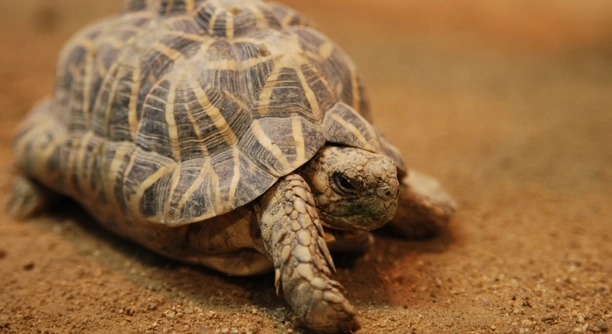
Is your Indian star tortoise acting differently or showing unusual behaviors? Subtle changes in appetite, movement, or shell condition could signal health concerns. Recognizing early signs of illness can help ensure your tortoise receives the care it needs.
Signs that your Indian star tortoise needs a vet visit include loss of appetite, lethargy, respiratory issues, swollen eyes, and irregular shell growth. These symptoms may indicate infections, metabolic disorders, or other health problems requiring immediate veterinary attention to prevent complications and ensure proper treatment.
Understanding these warning signs will help you take the right steps to support your tortoise’s well-being and long-term health.
Changes in Appetite and Eating Habits
A healthy Indian star tortoise has a consistent appetite and enjoys a variety of leafy greens, vegetables, and occasional fruits. If your tortoise suddenly stops eating, eats significantly less, or refuses its favorite foods, this could indicate an underlying health issue. Dehydration, digestive problems, or infections can all affect appetite. Weight loss, soft stools, or difficulty swallowing are additional warning signs. Monitoring food intake and checking for uneaten food can help you spot potential problems early. If your tortoise shows no interest in food for several days, it may require a vet visit to rule out illness.
A slight decrease in appetite due to seasonal changes is normal, but prolonged refusal to eat is concerning. If your tortoise also appears weak or uninterested in its surroundings, the issue could be serious. A veterinarian can assess its condition and recommend appropriate treatment.
A proper diet plays a key role in your tortoise’s overall health. Ensure fresh food is always available and monitor its eating habits regularly. If your tortoise is not eating and exhibits other symptoms like lethargy or weight loss, seeking veterinary care is the best way to address the issue before it worsens.
Respiratory Issues and Breathing Problems
Labored breathing, wheezing, or nasal discharge can indicate a respiratory infection. If your tortoise is stretching its neck frequently or making unusual noises while breathing, these could be signs of illness requiring medical attention.
Respiratory infections in Indian star tortoises often develop due to improper humidity, low temperatures, or bacterial exposure. Symptoms include open-mouth breathing, excessive mucus, and swollen eyes. If left untreated, these infections can worsen, affecting the lungs and leading to severe complications. Keeping your tortoise in a clean, well-regulated environment helps reduce risks, but once symptoms appear, a vet visit is necessary. Treatment may involve antibiotics, increased hydration, and environmental adjustments.
Providing the right temperature and humidity levels is crucial for preventing respiratory infections. Ensure the enclosure maintains a warm basking area and a slightly cooler resting zone. Clean water and proper ventilation also help keep bacteria and mold from accumulating. If breathing issues persist despite adjustments, professional veterinary care is the safest approach to restoring your tortoise’s health.
Swollen Eyes and Discharge
Swollen eyes, excessive tearing, or crusty buildup around the eyes can indicate an infection or vitamin A deficiency. If your tortoise keeps its eyes closed for long periods, struggles to open them, or shows signs of irritation, veterinary care is necessary to prevent further complications.
Eye problems in Indian star tortoises can result from poor diet, bacterial infections, or unsanitary living conditions. A lack of vitamin A can cause swelling and discharge, making it difficult for your tortoise to see or eat. Dusty or dirty enclosures can also irritate the eyes, leading to inflammation. If you notice redness, puffiness, or a change in eye clarity, a vet can assess whether antibiotics, dietary adjustments, or eye drops are needed. Keeping the habitat clean and providing a well-balanced diet with vitamin-rich foods can help prevent these issues.
Delays in treating eye problems can lead to vision impairment or chronic infections. Regularly check your tortoise’s eyes for any changes and clean the enclosure to reduce bacterial buildup. If swelling persists or worsens, professional veterinary care is essential. Proper hydration and a diet including leafy greens, carrots, and squash can support overall eye health and reduce the risk of recurring issues.
Irregular Shell Growth and Soft Spots
An Indian star tortoise’s shell should grow evenly with a firm, structured surface. Soft spots, indentations, or unusual bumps can signal metabolic bone disease, calcium deficiency, or poor habitat conditions. If the shell appears weak or deformed, immediate changes to diet and care are necessary.
A lack of calcium and vitamin D3 is the most common cause of shell deformities. Without proper UVB lighting, tortoises cannot metabolize calcium efficiently, leading to weakened bones and shell abnormalities. Soft or misshapen shells may also indicate an underlying health issue, such as organ dysfunction or prolonged malnutrition. Providing a high-calcium diet, proper UVB exposure, and regular shell checks can help maintain a strong, healthy shell. If deformities develop despite these precautions, a vet can recommend supplements or medical treatment to prevent further damage.
Preventing shell issues starts with maintaining a proper environment. Ensure your tortoise receives adequate UVB lighting for at least 10–12 hours daily and has access to calcium-rich foods like cuttlebone, dandelion greens, and calcium powder supplements. If the shell appears unusually soft, fragile, or shows signs of decay, veterinary intervention is necessary to prevent long-term health complications.
Lethargy and Weakness
A healthy Indian star tortoise should be active, exploring its enclosure and responding to food. If it remains inactive for long periods, struggles to move, or appears weak, this could indicate illness, dehydration, or poor environmental conditions requiring immediate attention.
Weakness can result from infections, parasites, or nutritional deficiencies. If your tortoise seems sluggish, has trouble lifting its body, or shows a lack of interest in its surroundings, a vet visit is recommended. Checking for additional symptoms like weight loss or labored breathing can help determine the underlying issue.
Unusual Stool or Urine
Changes in stool consistency, color, or frequency may indicate digestive issues or infections. Diarrhea, undigested food in waste, or extremely dry droppings could signal dehydration, parasites, or an improper diet. Monitoring stool regularly helps catch health concerns early.
Urine should be clear or slightly cloudy with a small amount of white urates. Excessive or gritty urates may indicate dehydration or kidney issues. Ensuring proper hydration and a balanced diet helps maintain urinary health. If changes persist, a vet can provide guidance.
Difficulty Walking or Limping
Limping, dragging limbs, or an unsteady gait can indicate injury, metabolic bone disease, or joint infections. If your tortoise struggles to move or favors one limb, medical evaluation is necessary to prevent further complications.
FAQ
What is the ideal temperature for my Indian star tortoise’s enclosure?
The ideal temperature for your tortoise’s enclosure should range between 85°F to 95°F (29°C to 35°C) during the day, with a basking area that can reach up to 100°F (38°C). At night, the temperature should drop to around 70°F to 75°F (21°C to 24°C). Proper heating is essential for digestion and overall health. Using a combination of basking lights and heat lamps ensures a consistent environment. Always provide a cooler zone so your tortoise can regulate its body temperature. A thermometer can help monitor these temperature ranges accurately.
How often should I feed my Indian star tortoise?
Indian star tortoises typically eat once a day, especially when they’re younger and growing. As they get older, you can feed them every other day. Their diet should consist mainly of leafy greens like dandelions, collard greens, and mustard greens, along with other vegetables like carrots and squash. Occasionally, you can offer fruits in moderation. Overfeeding is not recommended, as it can lead to obesity. Ensure that their food is clean and free from pesticides to prevent health issues.
Can my Indian star tortoise live outside?
Yes, Indian star tortoises can live outside in suitable climates. If you live in a region with a warm, dry climate, you can house your tortoise outdoors during the day, provided there is a safe, enclosed area that keeps it from predators. The enclosure should have both sunny spots for basking and shaded areas for rest. At night, your tortoise should be brought inside to avoid cold temperatures. Always check that the outdoor environment doesn’t have harmful plants or other dangers that could harm your tortoise.
Do I need to provide UVB light for my Indian star tortoise?
Yes, UVB lighting is essential for the health of your tortoise. It helps them metabolize calcium, preventing metabolic bone disease. Tortoises need 10-12 hours of UVB exposure each day. If they’re not outside in natural sunlight, provide UVB lighting inside their enclosure. Be sure to replace UVB bulbs every 6-12 months, as their effectiveness diminishes over time. Without proper UVB light, your tortoise may develop soft shells, weakened bones, and other health issues.
What kind of substrate should I use in my tortoise’s enclosure?
The substrate should mimic your tortoise’s natural environment, which is often dry and sandy. A mixture of organic soil, coconut coir, and sand works well. Avoid using wood shavings, as they can irritate your tortoise’s respiratory system. You want a substrate that retains moisture but also provides good drainage. This allows your tortoise to burrow and feel secure while also promoting a natural habitat. Make sure to keep the substrate clean by spot-cleaning daily and replacing it regularly.
Can I bathe my Indian star tortoise?
Yes, occasional baths are beneficial for your Indian star tortoise. Soaking them in shallow, lukewarm water for about 20-30 minutes once a week helps with hydration and encourages healthy bowel movements. Make sure the water level is not too high, as tortoises can easily drown. Always dry your tortoise thoroughly after the bath to avoid shell rot or fungal growth. You can use the bath time to inspect your tortoise for any skin or shell issues.
Why is my Indian star tortoise not eating?
There are several reasons why your tortoise might stop eating. It could be due to stress, temperature changes, illness, or a change in diet. If the enclosure temperature is too low or high, your tortoise may not feel comfortable enough to eat. Other issues like respiratory infections, parasites, or shell problems can also cause a loss of appetite. If your tortoise refuses food for several days and shows other signs of illness, a visit to the vet is essential to determine the cause.
How can I tell if my Indian star tortoise is dehydrated?
Signs of dehydration in your tortoise include sunken eyes, a dry or wrinkled appearance to the skin, and a lack of urination. If you notice that your tortoise is not drinking enough water, make sure to increase its water intake by soaking it in shallow, lukewarm water a few times a week. Ensure its enclosure has a water dish that is easy to access, and mist the enclosure occasionally to maintain humidity levels. Severe dehydration requires immediate veterinary attention.
How do I prevent shell rot in my Indian star tortoise?
Shell rot can occur if your tortoise’s shell is exposed to prolonged wetness, improper humidity, or poor hygiene. To prevent it, keep the enclosure dry and clean. Ensure your tortoise has a clean, dry substrate and that it’s not sitting in damp or dirty conditions. Avoid letting your tortoise’s shell stay wet for too long, especially after bathing. Regularly inspect the shell for signs of discoloration, softness, or odor, as these can indicate early stages of shell rot. If detected early, shell rot can be treated by a vet.
What should I do if my Indian star tortoise has a wound or injury?
If your tortoise has an open wound or injury, the first step is to clean the area gently with warm water. You can apply a mild antiseptic solution recommended by your vet, but avoid using harsh chemicals. Keep the wound clean and dry to prevent infection. If the injury is severe or doesn’t heal on its own, take your tortoise to the vet as soon as possible. For shell injuries, a vet may need to repair the damage and prescribe antibiotics to prevent infection.
Final Thoughts
Caring for an Indian star tortoise requires attention to detail, but with the right approach, they can live long, healthy lives. From proper diet and habitat to regular health checks, maintaining their well-being doesn’t have to be difficult. By understanding their needs and taking simple steps, you can provide a safe and comfortable environment for your tortoise. It’s important to stay informed about common health issues and know the signs that might indicate a problem. Doing so can ensure that your tortoise lives its best life.
Regular veterinary visits play a crucial role in keeping your tortoise healthy. A vet experienced with reptiles can help identify health issues before they become serious, whether it’s a respiratory infection, shell problems, or any other concern. Early detection is key to ensuring a fast and effective treatment. Even if your tortoise appears healthy, check-ups can help you stay ahead of potential problems. Routine care, including appropriate lighting, humidity levels, and diet, will help minimize the risk of illness and ensure that your tortoise thrives in its environment.
Finally, owning an Indian star tortoise can be a rewarding experience. With patience and consistency, these tortoises can become a cherished part of your life. While they require special care, the effort you put into meeting their needs is worth it. Whether you are a first-time owner or have experience with reptiles, taking the time to understand their behavior and health will lead to a positive outcome. By keeping your tortoise’s environment stable, feeding them properly, and monitoring their health, you’ll build a strong bond and ensure they stay healthy for years to come.

Hello,
If you enjoy the content that we create, please consider saying a "Thank You!" by leaving a tip.
Every little bit helps us continue crafting quality advice that supports the health, happiness, and well-being of pets around the world, for pets of all shapes, sizes, and species.
We really appreciate the kindness and support that you show us!