
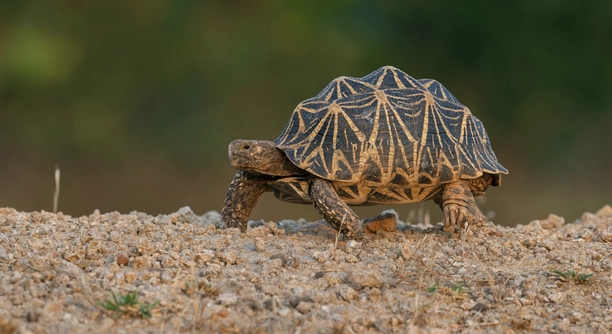
Can your Indian star tortoise eat coconut, or should it be avoided? Understanding their diet is important for keeping them healthy and ensuring they get the right nutrients from safe and appropriate foods.
Indian star tortoises should not eat coconut. Coconut is high in fat and difficult for them to digest, potentially leading to digestive issues. Their diet should mainly consist of leafy greens, vegetables, and safe fruits in moderation to maintain proper nutrition and overall health.
Knowing which treats are safe and beneficial can help you provide a well-balanced diet for your tortoise. Let’s explore the best options to keep them happy and healthy.
Why Coconut Is Not Safe for Indian Star Tortoises
Coconut is not suitable for Indian star tortoises because of its high fat and fiber content. Their digestive systems are adapted to a diet of leafy greens and low-calorie foods. Eating coconut can cause bloating, slow digestion, and other digestive discomforts. It does not provide the necessary nutrients for their overall health. While some tortoises may nibble on small amounts without immediate issues, it is not a recommended food. Instead of coconut, it is best to stick to a diet that closely mimics their natural feeding habits. Providing the right foods ensures they stay active and healthy.
Feeding inappropriate foods can lead to long-term health problems. High-fat foods like coconut are difficult for tortoises to process, leading to weight gain and digestive issues. It’s important to offer foods that meet their specific dietary needs.
If you want to give your tortoise a treat, there are safer options available. Many fruits and vegetables provide natural sweetness and essential nutrients without causing harm.
Safe Treats for Indian Star Tortoises
Indian star tortoises can safely eat a variety of fruits and vegetables. Their diet should primarily consist of leafy greens like collard greens, mustard greens, and dandelion greens. Small amounts of safe fruits, such as papaya, strawberries, and figs, can be given occasionally.
Fruits should always be fed in moderation due to their natural sugar content. Vegetables like bell peppers, carrots, and squash provide vitamins and minerals that support their health. Avoid feeding them foods that are too high in oxalates, such as spinach, as these can interfere with calcium absorption. Fresh, clean water should always be available to keep them hydrated.
By choosing the right foods, you can help your tortoise maintain a balanced diet and avoid health problems. Understanding their dietary needs ensures they receive the proper nutrients for a long and healthy life.
Foods to Avoid for Indian Star Tortoises
Processed foods, dairy, and meat should never be fed to Indian star tortoises. These foods are difficult for them to digest and do not align with their natural diet. Avoid citrus fruits, onions, and rhubarb, as they can cause digestive upset and other health issues.
High-oxalate vegetables like spinach and beet greens should be limited, as they can prevent proper calcium absorption. Sugary fruits such as bananas and grapes should only be offered occasionally. Iceberg lettuce lacks nutritional value and does not contribute to a balanced diet. Stick to nutrient-dense leafy greens and safe vegetables to maintain their health. Feeding the wrong foods can lead to long-term problems, including metabolic bone disease and digestive disorders.
Pesticide-treated produce can be harmful to tortoises. Always wash fruits and vegetables thoroughly or opt for organic options when possible. Ensuring a safe, varied diet helps them thrive without unnecessary health risks.
Best Feeding Practices for a Healthy Tortoise
Leafy greens should make up the majority of an Indian star tortoise’s diet. Rotate different greens, such as turnip greens, dandelion greens, and escarole, to provide variety. Fresh vegetables like zucchini, bell peppers, and carrots add important nutrients. Fruits should only be an occasional treat.
Calcium is essential for strong shells and overall health. Providing a cuttlebone or calcium supplement helps prevent deficiencies. Feeding should be done in the morning when tortoises are most active. Offer food on a clean surface to avoid accidental ingestion of substrate, which can cause impaction. Remove uneaten food to maintain hygiene.
Hydration is important, even for a species adapted to dry environments. A shallow dish of clean water should always be available. Occasional shallow soaks help keep them hydrated and promote healthy digestion.
How Often to Feed Your Indian Star Tortoise
Young tortoises should be fed daily, while adults can be fed every other day. Their meals should be fresh and varied, with a mix of leafy greens and vegetables. Overfeeding can lead to weight gain and health issues, so portion control is important.
Fruits should only be offered once or twice a week in small amounts. A balanced diet with the right nutrients helps maintain their overall health. Regular feeding schedules and proper portion sizes prevent dietary imbalances and digestive problems.
Signs of a Healthy Diet
A healthy tortoise will have a firm shell, clear eyes, and an active demeanor. Consistent growth and strong limbs indicate they are receiving proper nutrition. Their droppings should be well-formed, not too dry or too runny. A varied diet supports their immune system and long-term well-being.
Avoiding Common Feeding Mistakes
Offering too many fruits or high-oxalate vegetables can lead to imbalances. Sticking to a natural diet with the right variety ensures proper nutrition.
FAQ
Can Indian star tortoises eat coconut every day?
No, Indian star tortoises should not eat coconut every day. Coconut is high in fat and can be difficult for them to digest. Offering it occasionally as a small treat is fine, but too much can lead to digestive issues and weight gain.
Is coconut safe for baby Indian star tortoises?
Baby tortoises have more delicate digestive systems and require a diet rich in calcium and fiber. Coconut does not provide essential nutrients for their growth. It is best to avoid giving coconut to baby tortoises and focus on leafy greens and calcium-rich foods.
What are the best fruits to feed an Indian star tortoise?
Safe fruits include papaya, mango, and watermelon in small amounts. These fruits provide natural hydration and some beneficial nutrients. However, they should only be given occasionally to avoid excess sugar intake, which can lead to digestive problems and weight gain.
Can Indian star tortoises eat dried coconut?
Dried coconut is not recommended. It has a higher fat content than fresh coconut and lacks water, making it harder to digest. If offering coconut, fresh pieces in small amounts are a better choice to prevent digestive discomfort.
How often should I give my tortoise fruit?
Fruit should only be offered once or twice a week. Too much fruit can disrupt their digestive system and lead to an imbalance in their diet. Prioritizing leafy greens and fiber-rich vegetables ensures they receive proper nutrition without unnecessary sugars.
What vegetables should Indian star tortoises avoid?
Avoid spinach, beet greens, and rhubarb, as they contain high levels of oxalates, which can block calcium absorption. Onions, garlic, and mushrooms should also be avoided, as they can be toxic. Stick to safe vegetables like squash, bell peppers, and carrots.
Can I feed my tortoise store-bought lettuce?
Not all lettuces are beneficial. Iceberg lettuce has very little nutritional value and should be avoided. Instead, offer nutrient-rich options like romaine, endive, or dandelion greens. These provide fiber and hydration while supporting overall health.
Do Indian star tortoises need calcium supplements?
Yes, calcium is essential for strong shells and bone development. A cuttlebone or calcium powder without phosphorus should be provided regularly. Without enough calcium, tortoises can develop metabolic bone disease, leading to deformities and weakness.
Is commercial tortoise food a good option?
Some commercial tortoise foods can be used occasionally, but they should not replace fresh vegetables and greens. Many processed foods contain artificial additives or too much protein, which is not suitable for herbivorous tortoises. Always check the ingredients before feeding.
What should I do if my tortoise refuses to eat?
If a tortoise stops eating, check its environment. Low temperatures, dehydration, or stress can affect appetite. Make sure their enclosure is warm enough, and offer a variety of fresh greens. If the issue persists, consult a reptile veterinarian for further evaluation.
Final Thoughts
Indian star tortoises can eat coconut, but only in moderation. While it is not toxic, its high fat content makes it unsuitable for regular feeding. A diet rich in leafy greens, fiber-rich vegetables, and calcium sources is essential for maintaining their health. Occasional treats like coconut or fruit should be given sparingly to avoid digestive issues and weight gain. By focusing on a balanced diet, you can support your tortoise’s long-term well-being.
Understanding safe and unsafe foods ensures your tortoise receives proper nutrition. Fresh vegetables, grasses, and calcium supplements should always be the main part of their diet. Avoiding high-fat and high-sugar foods helps prevent obesity and metabolic issues. Safe treats can be included occasionally, but moderation is key. Observing your tortoise’s behavior and digestion after introducing new foods helps ensure they tolerate them well.
Providing the right diet goes beyond just offering food—it involves creating a well-maintained environment that supports digestion and overall health. Proper hydration, a warm habitat, and regular calcium intake contribute to a strong shell and a healthy lifespan. Keeping their diet varied but controlled ensures they thrive while minimizing potential health risks.

Hello,
If you enjoy the content that we create, please consider saying a "Thank You!" by leaving a tip.
Every little bit helps us continue crafting quality advice that supports the health, happiness, and well-being of pets around the world, for pets of all shapes, sizes, and species.
We really appreciate the kindness and support that you show us!