
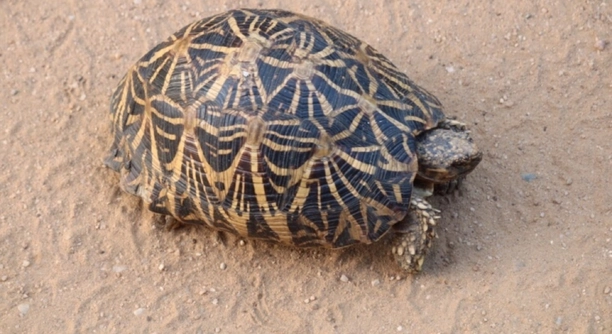
Creating the ideal indoor setup for Indian Star Tortoises requires careful planning. Providing them with the right environment can help maintain their health and overall well-being. Setting up the perfect space involves understanding their needs.
The optimal indoor setup for Indian Star Tortoises includes temperature control, proper lighting, a spacious enclosure, and suitable substrate. Regular cleaning and ensuring proper humidity levels are essential for their health, promoting an environment that mimics their natural habitat.
Ensuring your tortoise thrives indoors involves more than just space. Proper attention to their surroundings ensures they remain healthy and active.
Temperature and Lighting: Key Factors
Providing the right temperature and lighting is essential for Indian Star Tortoises. These reptiles need warmth and UVB light to thrive. The basking area should be between 90°F and 95°F, while the cooler side should be around 75°F. Ensure there is a UVB light to help with calcium absorption and overall health.
UVB lighting should be on for 10 to 12 hours each day, mimicking natural sunlight. Use a ceramic heat emitter or a basking light to maintain the temperature. Ensure the light is not too close to prevent overheating. A thermostat can help maintain consistency.
The basking spot should be in direct light, while the rest of the enclosure should provide shaded areas. This variety allows them to regulate their body temperature. Always check the temperatures and adjust as needed to create a comfortable environment.
Space and Substrate for Comfort
The space and substrate play a big role in their well-being. A spacious enclosure gives them room to roam and explore.
A substrate like coconut coir or a mix of sand and soil is ideal. It provides a natural feel while allowing burrowing, which they enjoy.
Humidity Levels
Maintaining proper humidity is essential for Indian Star Tortoises. These reptiles require a humidity level of around 50% to 60% in their enclosure. Without the right humidity, they may experience skin shedding issues or respiratory problems.
To maintain adequate humidity, mist the enclosure lightly once or twice a day. You can also add a humidifier to keep the air moisture levels steady. If the substrate is too dry, it can cause discomfort, so ensure the substrate retains some moisture. Regular monitoring of humidity with a hygrometer is a simple way to avoid fluctuations.
Higher humidity is especially important during molting, so keep a close eye during these times. Providing the right humidity helps avoid dehydration and skin issues. A consistent environment is crucial for your tortoise’s health.
Diet and Nutrition
A balanced diet is essential for your tortoise’s well-being. Indian Star Tortoises thrive on a diet rich in leafy greens, flowers, and some vegetables. They need a variety of high-fiber, low-protein foods to keep their digestive system functioning properly.
You can feed them dandelion greens, clover, collard greens, and hibiscus flowers. Occasionally offer small amounts of fruits like apples or melons as a treat. Avoid feeding them high-protein items like meat or dairy, as this can cause health problems. Always make sure they have access to fresh water, as hydration is key.
Dusting their food with calcium and vitamin supplements will help ensure they get the nutrients needed for shell growth and overall health. Be mindful of their diet to prevent obesity or other health concerns related to improper nutrition.
Enclosure Size
Indian Star Tortoises need ample space to move around and explore. A small enclosure can lead to stress and health issues. A minimum size of 40 gallons is recommended for one tortoise.
If you keep more than one, consider a larger enclosure to avoid territorial disputes. The more space they have, the happier they will be. A spacious setup encourages natural behavior, like walking and foraging.
Enclosure Setup
Place hiding spots, climbing structures, and shallow water dishes inside the enclosure. These elements will help replicate their natural habitat. Adding a few rocks or logs for climbing also promotes activity and mental stimulation.
Having a water dish big enough for them to soak in is important, as they often enjoy bathing.
Safety and Security
Ensure the enclosure is escape-proof. Indian Star Tortoises are excellent climbers and can burrow if given the chance. Keep the enclosure tightly secured to prevent escapes.
Check for gaps or weak points regularly to make sure your tortoise remains safe inside its space.
FAQ
How often should I clean my Indian Star Tortoise’s enclosure?
Cleaning the enclosure is important for keeping your tortoise healthy. The general rule is to clean the entire enclosure once a week, but spot cleaning daily is essential. Remove uneaten food, waste, and soiled bedding to prevent bacteria growth. Regular cleaning prevents odors and keeps the environment fresh.
Use a reptile-safe disinfectant to clean surfaces, and avoid chemicals that may harm your tortoise. Thoroughly dry the enclosure before putting your tortoise back in. A clean habitat helps reduce the risk of skin and respiratory infections.
What type of substrate is best for my Indian Star Tortoise?
A substrate that allows burrowing and mimics their natural environment is ideal. Coconut coir, a mix of sand and soil, or organic topsoil are good choices. They retain moisture well, allowing for proper humidity levels and giving your tortoise the opportunity to dig, which is a natural behavior.
Avoid substrates like cedar or pine shavings, as they can be toxic to reptiles. Choose a substrate that is easy to clean and replace regularly. Keep the substrate deep enough for burrowing but not too deep to create a drowning risk in water dishes.
Can Indian Star Tortoises be kept together?
Indian Star Tortoises can be kept together, but caution is needed. They are solitary creatures by nature and may become territorial, especially if space is limited. If you keep more than one, provide enough space for each tortoise to establish its own territory.
Ensure there are multiple food and water dishes to reduce competition. Watch for signs of aggression, such as chasing, biting, or posturing. If aggression occurs, consider separating the tortoises to avoid injury.
How can I tell if my Indian Star Tortoise is sick?
Watch for changes in behavior, such as a lack of appetite, lethargy, or difficulty moving. Also, monitor their shell for any soft spots, cracks, or abnormal growths, as these can be signs of illness. Respiratory issues may show up as wheezing or labored breathing.
If you notice any of these symptoms, consult a veterinarian experienced with reptiles. Early detection and treatment are crucial to prevent more serious health problems.
What should I feed my Indian Star Tortoise?
Indian Star Tortoises primarily eat leafy greens, grasses, and flowers. Dandelion greens, clover, collard greens, and hibiscus flowers are all good options. Avoid feeding them high-protein foods, such as meat or dairy, as this can lead to health issues like kidney damage.
Fruits should be offered occasionally and in moderation. Provide a variety of food to ensure they receive all necessary nutrients. Supplement their diet with calcium and vitamin D3 to support healthy shell growth. Always make sure they have fresh water available.
How do I keep my tortoise from becoming overweight?
To prevent obesity, avoid feeding your tortoise too many high-calcium foods and ensure their diet is balanced. Offer a variety of low-protein, high-fiber greens to prevent excessive weight gain. Limit fruit intake and never feed them food that is too rich in fat.
Ensure your tortoise has enough space to move around and exercise. Physical activity is essential to maintaining a healthy weight. Regularly check your tortoise’s weight to monitor their condition and adjust their diet as needed.
How long do Indian Star Tortoises live?
Indian Star Tortoises are long-lived creatures, often reaching 50 years or more in captivity. Their lifespan can vary depending on factors like diet, care, and overall living conditions. With proper care, they can live a long, healthy life.
It is important to provide a stable environment, proper nutrition, and regular veterinary care to help them reach their maximum lifespan. Patience and commitment are key to keeping these tortoises healthy and happy throughout their lives.
Do Indian Star Tortoises need UVB lighting?
Yes, Indian Star Tortoises need UVB lighting for their health. UVB light helps them produce vitamin D3, which is necessary for calcium absorption and shell health. Without it, they may develop metabolic bone disease or other calcium-related issues.
Ensure the UVB light is on for 10 to 12 hours daily and is positioned properly to cover the basking area. The light should be replaced every 6 to 12 months to ensure it’s still effective. You can use a fluorescent tube or a compact bulb specifically designed for reptiles.
Can I take my Indian Star Tortoise outside?
Yes, but only if the weather is appropriate. Indian Star Tortoises enjoy outdoor time when the temperature is warm and safe. Make sure the area is secure to prevent escape and that there are no predators.
Avoid taking them outside in extreme heat or cold. Always supervise them, as they can wander off or get into trouble. Outdoor time should be limited to a few hours a day in a safe, enclosed area.
How do I provide enrichment for my Indian Star Tortoise?
Enrichment is important for mental stimulation. You can provide various hiding spots, rocks for climbing, and obstacles for them to navigate. These elements will encourage exploration and exercise. You can also hide their food around the enclosure to make feeding time more engaging.
Changing their environment occasionally can also provide stimulation. Introducing new plants or rearranging objects in their enclosure keeps things interesting. A well-enriched tortoise will be happier and healthier.
Final Thoughts
Creating the perfect indoor setup for your Indian Star Tortoise is essential for its health and well-being. The right environment provides the space and comfort needed for your tortoise to thrive. It’s important to provide a safe and secure enclosure that mimics their natural habitat, with the right amount of space, temperature, and humidity. Regular cleaning and proper care will help avoid health issues and keep your tortoise active and happy.
Providing a balanced diet and sufficient UVB lighting are also key factors in ensuring your tortoise’s long-term health. By offering the right foods, such as leafy greens and occasional fruits, and making sure they receive the proper vitamins and minerals, you can support their shell growth and overall strength. UVB lighting is necessary to prevent calcium deficiencies and metabolic bone disease, so it’s crucial to maintain a proper light source. A well-fed, properly lit tortoise is more likely to stay active and healthy.
Remember, your tortoise’s needs are ongoing. It’s not just about creating a good setup; it’s about maintaining it. Consistent care and observation will help you notice any changes in behavior or health that may need attention. The more you understand your tortoise’s behavior, the better you can meet its needs and ensure a long, fulfilling life. With patience and dedication, you can create an environment that supports your Indian Star Tortoise’s natural behaviors and provides a long, healthy life for your pet.

Hello,
If you enjoy the content that we create, please consider saying a "Thank You!" by leaving a tip.
Every little bit helps us continue crafting quality advice that supports the health, happiness, and well-being of pets around the world, for pets of all shapes, sizes, and species.
We really appreciate the kindness and support that you show us!