
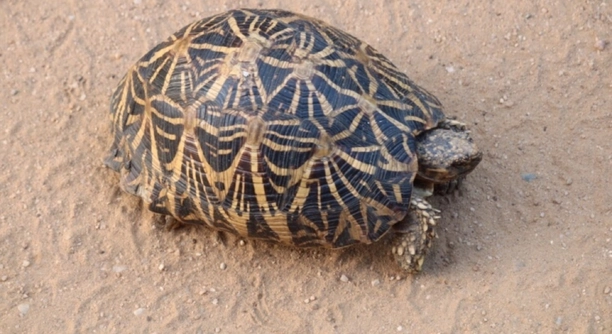
Cleaning and sanitizing the enclosure of an Indian Star Tortoise is essential for their health and well-being. Regular maintenance of their living space ensures a hygienic environment and reduces the risk of infections or diseases.
To properly clean and sanitize your Indian Star Tortoise’s enclosure, start by removing all waste, uneaten food, and soiled bedding. Scrub the walls, floor, and any accessories with a safe disinfectant. Rinse thoroughly to avoid residue and let everything dry completely.
By following these steps, you can provide a safe, clean environment for your tortoise to thrive. This article will guide you through the process to ensure your enclosure remains in top condition.
Step 1: Remove All Waste and Uneaten Food
Start by removing any waste, leftover food, or soiled bedding from the enclosure. Tortoises can be quite messy, and waste can build up quickly, leading to unsanitary conditions. It’s crucial to act quickly when waste accumulates to prevent any bacterial growth or unpleasant odors.
Once the waste is removed, ensure that any uneaten food is taken out as well. Leftover food can rot, attracting pests or causing mold to form. By cleaning up after each feeding, you can avoid these issues. Always check every corner of the enclosure to make sure no scraps are left behind. The cleaner the space, the better for your tortoise’s health.
While it may seem like a small task, removing waste and food ensures a much healthier environment for your tortoise. Keeping the enclosure clean reduces the risk of infections and other health problems. This is an essential first step that should be done consistently to maintain a hygienic living space for your pet.
Step 2: Scrub the Walls, Floor, and Accessories
After removing waste and food, focus on scrubbing the enclosure’s surfaces. This includes the walls, floor, and any accessories like rocks, hides, or water dishes. Using a safe, non-toxic disinfectant is crucial to prevent harming your tortoise.
The best way to scrub the surfaces is by using a sponge or brush. Avoid abrasive materials that can scratch the surfaces and make it harder to clean later. Take care to scrub every part of the enclosure, paying special attention to areas where waste or food might have splattered. Thorough cleaning will ensure that harmful bacteria or fungi are eliminated. Always follow up by rinsing the surfaces with warm water to remove any cleaning solution residue.
Regular scrubbing ensures that your tortoise’s home remains free of harmful microorganisms. Cleaning the surfaces properly helps maintain a safe and hygienic environment, promoting your tortoise’s overall well-being.
Step 3: Clean the Water Dish
Next, the water dish should be cleaned thoroughly. A dirty water dish can harbor bacteria and harmful substances, affecting your tortoise’s health. Always use warm water and scrub away any debris or algae buildup. This is especially important if the water is not being replaced frequently.
Take extra care to rinse the water dish well after cleaning. Any leftover soap or cleaning residue can contaminate the water and harm your tortoise. Avoid using harsh chemicals. A soft sponge or brush should be used to remove any buildup, ensuring the dish is free of grime. After cleaning, fill the dish with fresh, clean water.
By cleaning the water dish regularly, you ensure that your tortoise has access to safe water at all times. A clean dish helps prevent potential illnesses caused by contaminated water. This step should not be overlooked when sanitizing your tortoise’s environment.
Step 4: Replace the Bedding
After cleaning the surfaces and water dish, it’s time to replace the bedding in the enclosure. Bedding absorbs moisture, waste, and smells, and if not changed regularly, it can lead to an unhealthy habitat. Choose safe bedding materials like coconut husk or aspen shavings, which are absorbent and easy to maintain.
Remove all of the old bedding, taking care to dispose of it properly. Check for any mold or odors before replacing it. After removing the old bedding, place fresh material in the enclosure, ensuring that it’s spread evenly. The bedding should be deep enough to provide comfort and absorb waste but not too deep that your tortoise has difficulty moving around.
A clean bedding layer contributes to a more hygienic environment for your tortoise. It helps keep odors down, reduces the chances of bacterial growth, and provides a comfortable place for your tortoise to rest and roam. Make sure to replace the bedding regularly for optimal cleanliness.
Step 5: Disinfect the Enclosure
Once everything is cleared out, it’s time to disinfect the entire enclosure. Use a safe, non-toxic disinfectant specifically designed for reptile habitats. This will eliminate germs and bacteria that could cause health problems for your tortoise. Be sure to follow the product’s instructions carefully.
Spray the disinfectant on all surfaces, including the walls, floor, and any accessories that can’t be removed. Let the disinfectant sit for a few minutes to ensure it has time to work. Afterward, wipe the surfaces down with a clean cloth or sponge to remove any excess solution.
Proper disinfection helps maintain a healthy and safe environment for your tortoise. It’s crucial for preventing the spread of diseases and ensuring your tortoise remains in top health. Regular disinfection is an important step in enclosure maintenance.
Step 6: Let the Enclosure Dry
Allow the enclosure to dry completely before putting everything back. This step is vital to prevent any mold or mildew from growing in a damp environment. The drying process also ensures that any residual disinfectant evaporates, leaving a safe space for your tortoise.
It’s important not to rush this step. Make sure every part of the enclosure, including the bedding area, is fully dry. Leaving any moisture can create a breeding ground for harmful bacteria. If possible, let the enclosure air out for several hours to ensure proper drying.
Properly drying the enclosure not only helps prevent bacteria but also ensures the comfort of your tortoise. Moisture can cause discomfort and encourage the growth of harmful microorganisms. A dry enclosure is essential for maintaining a healthy habitat.
Step 7: Return Items to the Enclosure
Once the enclosure is dry, it’s time to return all the items. Place the bedding back, add the water dish, and put any accessories like rocks, hides, or climbing structures in their appropriate spots. Make sure the accessories are clean and dry as well.
Check the placement of each item to ensure your tortoise has enough space to move freely. Make sure the water dish is in a convenient spot for your tortoise to access easily. By returning everything carefully, you create a balanced, comfortable environment for your pet.
FAQ
How often should I clean my Indian Star Tortoise’s enclosure?
The frequency of cleaning depends on the size of the enclosure and the number of tortoises you have. However, as a general rule, you should clean the enclosure thoroughly every two weeks. This includes removing waste, uneaten food, and replacing the bedding. It’s essential to spot clean daily, removing any waste or leftover food to prevent bacteria buildup. More frequent cleaning may be necessary if your tortoise has a larger enclosure or if you notice an unpleasant odor.
Can I use regular household cleaners to disinfect the enclosure?
It’s best to avoid using regular household cleaners as they often contain chemicals that can be harmful to your tortoise. Always use a reptile-safe disinfectant that is specifically designed for cleaning reptile enclosures. These products are non-toxic and effective in killing harmful bacteria without posing any risk to your tortoise. Be sure to rinse the surfaces thoroughly after disinfecting to remove any residue.
How do I choose the right bedding for my Indian Star Tortoise?
When selecting bedding, choose materials that are absorbent, dust-free, and safe for your tortoise. Some good options include coconut husk, aspen shavings, or reptile-specific sand. Avoid using cedar or pine shavings, as these can release harmful oils that could affect your tortoise’s health. Make sure the bedding is deep enough to absorb waste but not too thick to cause difficulty in movement. Always monitor your tortoise’s behavior to ensure it’s comfortable with the bedding material.
What if I see mold or fungus in my tortoise’s enclosure?
If you notice mold or fungus in the enclosure, it’s crucial to remove it immediately to prevent it from spreading. Mold thrives in damp environments, so ensure the enclosure is thoroughly dried after cleaning. If mold appears on the bedding, replace it with fresh material. If it appears on surfaces like walls or accessories, clean those areas with a reptile-safe disinfectant and dry them completely. Maintaining proper ventilation and keeping the enclosure dry can help prevent mold growth.
Is it safe to use water bottles for my tortoise’s water source?
Water bottles are not recommended for tortoises. While they may work for other pets, they can make it difficult for tortoises to drink the appropriate amount of water. Tortoises typically prefer a shallow dish of water that they can easily access. A water dish that is large enough for them to soak in will also benefit your tortoise’s health. Make sure to clean and refill the dish daily with fresh, clean water.
How can I prevent odors in my tortoise’s enclosure?
Odors in the enclosure are often caused by waste buildup, old food, or damp bedding. To prevent odors, clean the enclosure regularly, removing waste and uneaten food. Ensure that the bedding is replaced frequently, as old bedding can hold onto smells. Using a reptile-safe disinfectant during cleaning will help neutralize odors. Proper ventilation is also essential; if the enclosure is kept in a closed space, consider using a fan to promote airflow. Keeping the water dish clean and fresh will also help prevent bad smells.
Can I use a UVB light in the enclosure?
Yes, UVB lighting is crucial for the health of your tortoise. UVB light helps tortoises synthesize vitamin D3, which is essential for calcium absorption and bone health. It’s important to provide a UVB bulb that is specifically designed for reptiles. The light should be on for about 10-12 hours a day, simulating a natural day-night cycle. Make sure the bulb is placed at the correct distance from your tortoise, as indicated by the manufacturer, to ensure it provides adequate UVB exposure.
What temperature should the enclosure be?
Indian Star Tortoises require a temperature gradient in their enclosure, meaning there should be a warmer side and a cooler side. The warm side should be around 90-95°F (32-35°C), while the cooler side should be around 75-80°F (24-27°C). This allows the tortoise to move between areas to regulate its body temperature. Use a thermometer to monitor the temperature regularly and adjust the heating source as needed. Make sure to provide a basking area with a heat lamp to help them regulate their temperature.
How can I tell if my tortoise is stressed or uncomfortable?
Tortoises can show signs of stress or discomfort in various ways. If your tortoise is constantly hiding, not eating, or moving less than usual, these could be signs of stress. A dirty, overcrowded, or uncomfortable enclosure can cause these behaviors. Also, if your tortoise is excessively scratching at the walls of the enclosure, it might be trying to escape due to discomfort. Ensure that the enclosure is spacious, clean, and provides the proper environmental conditions. Regularly check for signs of illness, such as abnormal behavior, lethargy, or changes in eating habits.
How do I clean the decorations and accessories in the enclosure?
Decorations such as rocks, hides, and plants should be cleaned regularly to prevent bacteria buildup. Remove all accessories from the enclosure and wash them with warm water and a reptile-safe disinfectant. For items like rocks or climbing structures, scrub them with a brush to remove any debris or waste. Be sure to rinse everything thoroughly to remove any cleaning solution residue before placing the items back in the enclosure. Keep in mind that some items, like live plants, may require additional care or replacement if they become unhealthy.
Can I use natural plants in the enclosure?
Yes, natural plants can be used in the enclosure, but it’s important to choose non-toxic species that are safe for your tortoise. Plants provide enrichment and help create a more natural environment for your pet. Some good options for tortoise enclosures include hibiscus, dandelion, and clover. Avoid using plants that may be harmful if ingested, such as lilies or oleander. Always make sure the plants are pesticide-free and properly maintained, as dead or decaying plants can contribute to poor air quality in the enclosure.
Final Thoughts
Cleaning and sanitizing your Indian Star Tortoise’s enclosure is essential for maintaining their health and well-being. Regular cleaning helps prevent the buildup of harmful bacteria, fungi, and waste, which can lead to infections or illness. By following the steps outlined in this article, you ensure a safe and comfortable environment for your tortoise. Whether it’s replacing bedding, cleaning accessories, or ensuring proper ventilation, these tasks all contribute to a cleaner, healthier habitat. Taking the time to properly clean and sanitize the enclosure can greatly improve your tortoise’s quality of life.
In addition to cleaning, keeping your tortoise’s enclosure at the right temperature, humidity, and lighting is equally important. Regularly monitoring these factors ensures that your tortoise stays healthy and active. Providing proper UVB light, a temperature gradient, and a clean water source all play a role in your tortoise’s long-term well-being. Over time, a well-maintained environment will help your tortoise thrive. Staying consistent with cleaning and environmental checks creates a stable, healthy living space that minimizes stress and health problems.
Ultimately, the responsibility of caring for an Indian Star Tortoise comes down to ensuring they live in a suitable environment. Regularly cleaning their enclosure and monitoring their habitat for any changes will help them feel safe and comfortable. With a clean enclosure and proper care, your tortoise can live a long and healthy life. By following simple, routine cleaning tasks and maintaining the right conditions, you create a sustainable environment that supports their growth and happiness. Your tortoise will thank you with a more active and vibrant lifestyle.

Hello,
If you enjoy the content that we create, please consider saying a "Thank You!" by leaving a tip.
Every little bit helps us continue crafting quality advice that supports the health, happiness, and well-being of pets around the world, for pets of all shapes, sizes, and species.
We really appreciate the kindness and support that you show us!