
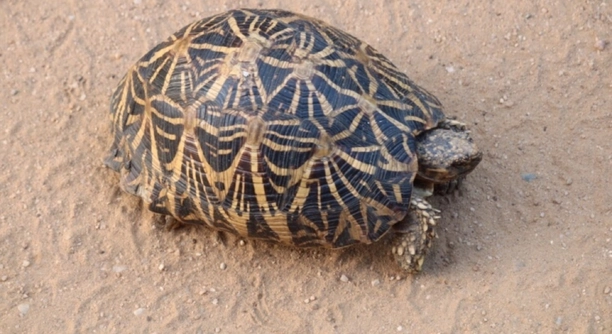
Indian Star Tortoises are unique creatures with specific dietary needs. Understanding what foods are safe for them, including pumpkin, is important to their health. Let’s explore whether this common vegetable is a good choice.
Indian Star Tortoises can eat pumpkin in moderation, as it is a nutritious, safe food option. However, it should be given in appropriate portions to avoid digestive issues. Pumpkin is rich in vitamins and fiber, which benefit their health.
Feeding your tortoise pumpkin in the right amounts supports their well-being.
Benefits of Pumpkin for Indian Star Tortoises
Pumpkin provides several health benefits for Indian Star Tortoises. It is high in vitamins A and C, both essential for maintaining a healthy immune system. Vitamin A supports their vision, while vitamin C helps with collagen production. Additionally, the fiber in pumpkin promotes good digestion. This vegetable is also a source of antioxidants that help protect against cell damage. Offering pumpkin can supplement their diet with necessary nutrients, but moderation is key. Too much can lead to digestive problems, so it’s best to give it as an occasional treat rather than a regular meal.
Pumpkin is a good source of hydration as well. Its high water content helps keep your tortoise hydrated, especially if it struggles to drink enough water.
While pumpkin can offer many benefits, it should always be served in small portions. This ensures your tortoise gets the nutrients without overloading their system. Along with other leafy greens, pumpkin can be a healthy addition. Just make sure to remove seeds, as they can cause digestive issues. Pumpkin also contains natural sugars, so avoid feeding it too often to prevent weight gain.
Serving Pumpkin to Your Tortoise
When serving pumpkin to your Indian Star Tortoise, always ensure it is fresh. Avoid canned pumpkin that may contain additives and preservatives. Wash the pumpkin thoroughly before feeding it to remove any pesticides.
Cut the pumpkin into small, manageable pieces to avoid choking hazards. You can offer both the flesh and the skin, but make sure it’s cut into sizes that are easy for your tortoise to eat. Start with a small portion and observe how they handle it. This will allow you to determine the ideal portion size for your specific tortoise.
It’s important to serve pumpkin in combination with other vegetables. While pumpkin offers vitamins and fiber, a varied diet of leafy greens, grasses, and flowers is necessary to meet all of your tortoise’s nutritional needs. Regularly changing up their food helps prevent imbalances, and ensures they don’t get too accustomed to one type of food. Variety is key for a healthy, happy tortoise.
How Much Pumpkin Should You Feed Your Tortoise?
Pumpkin should be offered in moderation. A small, occasional treat once or twice a week is ideal. Overfeeding can lead to digestive issues or weight gain. It’s important not to make pumpkin a staple in their diet.
Keep portions small, roughly the size of your tortoise’s head, to avoid overfeeding. Monitor their reaction to ensure they don’t have any adverse effects.
Potential Risks of Feeding Pumpkin
Although pumpkin is safe in small amounts, there are risks when overfed. Too much fiber can cause diarrhea or blockages, and excessive sugar can lead to weight gain. Always watch for signs of upset stomachs, such as lack of appetite or lethargy.
If your tortoise develops any digestive problems after eating pumpkin, reduce the amount or stop feeding it altogether for a while.
FAQ
Can I feed pumpkin seeds to my Indian Star Tortoise?
Pumpkin seeds should not be fed to your Indian Star Tortoise. While they are not toxic, the seeds can be difficult for your tortoise to digest and may lead to digestive issues. It’s safer to remove the seeds before offering pumpkin to your tortoise. Even if your tortoise manages to eat the seeds, it’s not a recommended practice due to the potential risks.
Is pumpkin good for baby tortoises?
Baby tortoises can eat pumpkin, but the same rules apply as for adult tortoises. Keep it to small, occasional portions to avoid upsetting their delicate digestive system. Since baby tortoises are still growing, it’s especially important to provide a varied diet. Focus on offering them a mix of nutritious greens, vegetables, and occasional fruits like pumpkin in moderation.
What other vegetables can I feed my Indian Star Tortoise?
Indian Star Tortoises thrive on a varied diet of leafy greens such as collard greens, dandelion greens, and mustard greens. You can also feed them vegetables like squash, bell peppers, and carrots. Always offer a variety of foods to ensure your tortoise gets all the necessary nutrients. Avoid feeding them high oxalate vegetables, such as spinach, regularly, as they can interfere with calcium absorption.
Can Indian Star Tortoises eat fruit?
Yes, Indian Star Tortoises can eat fruit, but fruit should only make up a small portion of their diet. Fruits like apples, strawberries, and melons are okay in moderation. Be cautious of the sugar content in fruits, as too much sugar can lead to weight gain and other health issues. Always remove any seeds from the fruit, as they may pose a choking hazard.
How often should I feed my Indian Star Tortoise pumpkin?
You can feed pumpkin to your Indian Star Tortoise once or twice a week, depending on their size and overall health. It’s essential to vary their diet to prevent them from becoming too reliant on a single food. Offering a wide range of vegetables and greens will help meet all their nutritional needs without overfeeding pumpkin.
Is it safe to feed my tortoise canned pumpkin?
Canned pumpkin is not ideal for Indian Star Tortoises. Most canned pumpkins contain additives, preservatives, and sometimes added sugars. These ingredients can be harmful to your tortoise’s health. It’s best to feed them fresh pumpkin, which is free from these unwanted additives. Always wash the pumpkin thoroughly to remove any pesticides.
Can I feed pumpkin leaves to my tortoise?
Pumpkin leaves are safe to feed your Indian Star Tortoise in moderation. They provide a good source of nutrients and are low in sugar, making them a healthy option. Make sure to wash the leaves well to remove any pesticides. Like pumpkin flesh, pumpkin leaves should only be offered as part of a varied diet.
What signs should I look for if my tortoise has eaten too much pumpkin?
If your tortoise eats too much pumpkin, you might notice signs of digestive upset, such as diarrhea, bloating, or lack of appetite. Keep an eye on their behavior after meals and adjust portion sizes if needed. If symptoms persist, consult with a veterinarian to ensure your tortoise’s digestive system is functioning properly.
Can pumpkin help with my tortoise’s shell health?
While pumpkin is rich in vitamins A and C, which are beneficial for overall health, it isn’t directly linked to improving shell health. A balanced diet with enough calcium, vitamin D3, and UVB light exposure is crucial for maintaining strong and healthy shells. Pumpkin can complement this diet but should not be relied upon as the primary source of nutrients for shell health.
Can I feed my Indian Star Tortoise other types of squash?
Yes, other types of squash, such as zucchini and butternut squash, are safe for your Indian Star Tortoise. Like pumpkin, they are a great source of fiber and vitamins. These squashes can be a healthy addition to their diet but should also be offered in moderation. Avoid giving them too much of any one type of vegetable.
Are there any vegetables I should avoid feeding my tortoise?
Some vegetables should be avoided when feeding your Indian Star Tortoise. These include high-oxalate foods like spinach, rhubarb, and beet greens, which can interfere with calcium absorption. Avoid feeding them starchy vegetables like potatoes, as these are not part of their natural diet. Also, never feed them processed or sugary foods like lettuce, which offers little nutritional value.
Can I feed pumpkin to my tortoise in the winter?
Yes, you can feed pumpkin to your tortoise during the winter. However, keep in mind that during colder months, tortoises may eat less or become less active due to lower temperatures. Continue offering a balanced diet, including pumpkin, but adjust portion sizes based on their appetite and activity level.
Should I remove the skin from pumpkin before feeding it to my tortoise?
It’s not necessary to remove the skin from pumpkin before feeding it to your tortoise. The skin is edible and contains fiber and nutrients. However, some tortoises may find the skin tougher to eat, so you may want to peel it off for easier consumption. It depends on your tortoise’s preference and ability to chew the skin.
How do I know if my tortoise is overweight from eating pumpkin?
Monitor your tortoise’s weight and overall health. If your tortoise seems lethargic or is gaining weight, it could be a sign that they are eating too much pumpkin or other foods. You can consult with a veterinarian to check for signs of obesity and adjust their diet accordingly. Maintaining a balanced diet is essential for their long-term health.
Final Thoughts
Indian Star Tortoises can enjoy pumpkin as part of a balanced diet. While it provides beneficial nutrients like vitamins A and C, it should not be the main focus of their meals. Pumpkins, along with other vegetables and greens, can be used to offer variety and help ensure your tortoise receives all the nutrients they need. However, portion control is important. Excessive amounts of pumpkin can lead to digestive issues or weight gain. A small amount once or twice a week is typically enough for most tortoises.
In addition to controlling pumpkin portions, variety is key. Feeding a mix of vegetables, greens, and occasional fruits helps maintain the overall health of your tortoise. Foods like dandelion greens, collard greens, and squash offer a wide range of nutrients that pumpkins alone may not provide. It’s essential to avoid overfeeding any single food, including pumpkin, to prevent imbalances in their diet. By offering a range of options, you ensure that your tortoise remains healthy and active.
Lastly, if you notice any signs of digestive upset, such as diarrhea or loss of appetite, after feeding pumpkin, it’s best to reduce or eliminate it from their diet temporarily. Every tortoise is different, and what works for one may not work for another. Always monitor their health and adjust their diet accordingly. Regular visits to a vet specializing in reptiles are also a good way to ensure your tortoise is thriving.

Hello,
If you enjoy the content that we create, please consider saying a "Thank You!" by leaving a tip.
Every little bit helps us continue crafting quality advice that supports the health, happiness, and well-being of pets around the world, for pets of all shapes, sizes, and species.
We really appreciate the kindness and support that you show us!