
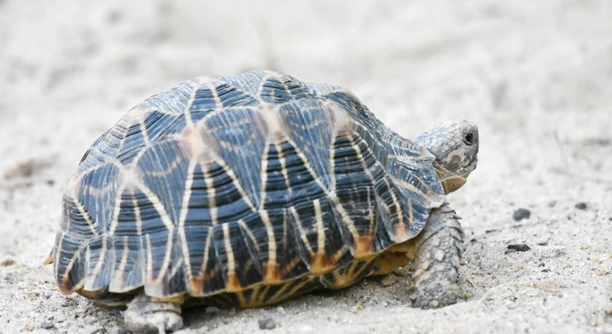
Indian Star Tortoises are unique pets, and understanding their behavior is key to providing proper care. One common issue is their apparent disregard for their water dish, which may concern many pet owners.
The primary reason your Indian Star Tortoise might ignore its water dish is due to its natural habitat preferences. These tortoises are adapted to dry, arid environments and may not instinctively drink from standing water. Instead, they absorb moisture from their food.
It’s important to explore different ways to encourage proper hydration and support your tortoise’s well-being. Understanding their habits will help you create a more comfortable environment for your pet.
Why Do Indian Star Tortoises Avoid Water Dishes?
Indian Star Tortoises are native to dry regions and have evolved to survive in arid climates. This means they are less likely to drink water from a dish like other pets. Instead, they obtain moisture from plants, fruits, and vegetables, making it less urgent for them to drink standing water. As a result, your tortoise might not recognize the water dish as a necessary resource. It’s essential to understand that this behavior is entirely normal and not a sign of health issues.
When they do drink, tortoises tend to do so in small amounts. They may drink from shallow pools or damp surfaces in the wild, not large water dishes. Therefore, ensuring your tortoise’s diet is rich in hydrating foods like leafy greens can supplement its water intake.
Providing a more natural environment, with humid hiding spots or occasional misting, can encourage your tortoise to drink more. This small adjustment may make a big difference in your pet’s hydration and overall health.
How to Encourage Drinking
Since tortoises may not instinctively drink from a water dish, it’s helpful to provide water in ways they find more appealing. A shallow dish with clean, fresh water placed near their food can increase the chances of your tortoise taking a drink. You can also try offering water via a dropper or spritzing their food with a bit of water.
Creating a slightly humid environment is another way to encourage hydration. Place a shallow, damp dish in a quiet corner or use a small spray bottle to lightly mist their habitat. Keep in mind that this isn’t a one-size-fits-all solution, so experiment with different setups to find what works best for your tortoise.
Maintaining a proper temperature and humidity level in the tank is also key to supporting hydration. If the environment is too dry or too cold, your tortoise may become reluctant to drink. Proper heating and misting will simulate the moist conditions they naturally seek in the wild.
Is Water Dish Size Important?
The size of the water dish is another factor to consider. If your tortoise’s dish is too large, it may not feel comfortable drinking from it. In their natural habitat, Indian Star Tortoises often drink from smaller, shallow pools or surfaces, so a large dish might be intimidating for them. Opt for a smaller dish or even a shallow tray to make it more accessible.
Additionally, ensure that the water is kept clean and fresh. Tortoises can be picky about the quality of water they consume, so regularly change the water and clean the dish to prevent contamination. Even if they don’t drink from it frequently, a clean water source is vital for their overall well-being.
Adjusting Diet to Improve Hydration
Including hydrating foods in your tortoise’s diet can help keep it hydrated. Leafy greens like dandelion greens, mustard greens, and collard greens are great choices. Fruits like watermelon or cantaloupe, given in moderation, can also increase water intake. These foods are naturally high in moisture, helping your tortoise stay hydrated even if it isn’t drinking from the dish.
Hydration is especially important for the growth and overall health of your Indian Star Tortoise. A well-hydrated tortoise is less likely to suffer from issues like dehydration, which can lead to complications in digestion and shedding. Adding hydrating foods provides an alternative source of moisture, especially when your tortoise isn’t inclined to drink from its water dish.
Make sure to avoid high-oxalate foods, like spinach, as they can cause more harm than good if fed regularly. By selecting proper hydrating foods, you are ensuring that your tortoise receives enough moisture, even if it isn’t drinking directly from its water dish.
How Temperature Affects Hydration
Temperature plays a big role in whether your tortoise will drink water. If the enclosure is too hot, your tortoise may become stressed and not feel comfortable drinking. On the other hand, if the habitat is too cold, it may make your tortoise sluggish, causing it to ignore its water source.
Ensure that the basking spot in the enclosure is appropriately heated to provide a comfortable environment for your tortoise. A temperature range of 85-95°F (29-35°C) during the day and a cooler area of 75-85°F (24-29°C) at night is ideal. This balance helps keep your tortoise active and more likely to drink from its water dish.
Mist the enclosure lightly in the mornings to simulate the humidity of their native environment. This will help in keeping your tortoise hydrated while maintaining the proper temperatures. It’s also a good idea to invest in a reliable thermometer and humidity gauge to keep things in check.
Offering Water in Different Ways
Sometimes, tortoises prefer water provided in a different manner. You might try offering water with a dropper or syringe to give them a more direct way to drink. This method can be effective, especially if your tortoise is reluctant to use its water dish.
Some tortoises are simply more comfortable with smaller, more controlled amounts of water. Offering water through a syringe or even soaking them in a shallow dish for a few minutes can encourage hydration. Regularly soaking your tortoise in shallow water also provides an opportunity for them to drink without feeling pressured.
Importance of Clean Water
Clean water is crucial for maintaining a healthy tortoise. Stale or dirty water can discourage your tortoise from drinking. Change the water daily to keep it fresh and avoid the buildup of bacteria, which can lead to health issues.
Regularly cleaning the water dish and ensuring the water remains fresh is a simple yet effective way to promote hydration. Tortoises are sensitive to the cleanliness of their environment, and providing fresh water regularly encourages them to drink.
Health Issues Behind Water Avoidance
If your tortoise continues to avoid its water dish, it could be a sign of a health problem. Infections, parasites, or stress can affect its behavior and make it less inclined to drink. If this becomes a concern, a vet’s consultation is recommended.
In some cases, dehydration can lead to serious health issues such as shell deformities or kidney problems. If your tortoise consistently avoids water, it’s worth checking for signs of illness like lethargy, weight loss, or a lack of appetite. Early detection and treatment can help ensure your tortoise remains healthy and hydrated.
FAQ
Why isn’t my tortoise drinking water from its dish?
Indian Star Tortoises are naturally adapted to dry environments and tend to get moisture from their food rather than drinking from standing water. This behavior is normal, and they may not feel the need to drink unless their diet is lacking in moisture-rich foods. Additionally, the water dish may not appeal to them if it’s too large or if the temperature in their enclosure is not ideal.
How can I encourage my tortoise to drink more water?
To encourage hydration, try adding more moisture-rich foods to their diet, such as leafy greens, melons, and cucumbers. You can also offer water in a smaller, shallow dish that feels less intimidating. Another option is to gently mist your tortoise’s habitat, creating humidity, which may encourage them to drink more. Soaking your tortoise in a shallow bath for 15-20 minutes a couple of times a week can also help with hydration.
Should I soak my tortoise in water?
Soaking your Indian Star Tortoise in shallow water for 15-20 minutes can be a good way to ensure it gets hydrated, especially if it’s not drinking from its dish. Soaking encourages them to absorb moisture through their skin and helps with overall hydration. Be sure to never leave your tortoise unattended during a soak, and use lukewarm water to avoid stressing them.
How do I know if my tortoise is dehydrated?
Signs of dehydration in tortoises include dry, flaky skin, sunken eyes, lethargy, and a lack of appetite. You may also notice that their urine appears thick or concentrated. If you suspect dehydration, immediately increase the humidity in their habitat and provide water through soaking or other methods. If the symptoms persist, consult a vet.
Can the water dish be too big for my tortoise?
Yes, if the water dish is too large, it may intimidate your tortoise and discourage it from drinking. Tortoises in the wild usually drink from small, shallow pools. Using a smaller dish or tray that allows easy access might encourage your tortoise to drink more. Ensure the water is shallow enough for them to step into comfortably.
Do I need to worry about my tortoise’s water temperature?
Yes, the temperature of the water dish matters. Cold water can stress your tortoise, making it less likely to drink. The water should be lukewarm, close to the temperature of their basking spot, around 80-85°F (27-29°C). Providing water at this temperature can make your tortoise more willing to drink.
Is it safe to give my tortoise tap water?
Tap water is generally safe for tortoises, but it’s important to check the quality. Some tap water contains high levels of chlorine or other chemicals, which can be harmful to your tortoise over time. If you’re concerned, use filtered or dechlorinated water for their dish, or let tap water sit out for 24 hours to allow chlorine to dissipate.
Can I use a water fountain for my tortoise’s water dish?
A water fountain can be a good option for your tortoise, as it keeps the water moving and may attract your tortoise’s attention. However, make sure the fountain is shallow enough for your tortoise to drink from without difficulty. It’s also important to clean the fountain regularly to prevent the buildup of bacteria.
How often should I clean the water dish?
It’s important to clean your tortoise’s water dish every day to ensure it remains fresh and free of bacteria. Dirty water can discourage your tortoise from drinking and may lead to health issues. Use a mild, non-toxic cleaner or soap to wash the dish thoroughly, and rinse it well before refilling.
What should I do if my tortoise is not eating or drinking?
If your tortoise is refusing both food and water, it could be a sign of stress, illness, or environmental issues. Check if the temperature and humidity in the habitat are within the recommended ranges. Make sure the food is fresh and appropriate for your tortoise. If the problem continues, a visit to a vet is necessary to rule out health problems.
Final Thoughts
When it comes to your Indian Star Tortoise and its hydration needs, it’s important to understand that they might not always drink from a water dish like other pets. These tortoises are naturally inclined to get their moisture from food, so it’s essential to ensure their diet is rich in hydrating foods such as leafy greens, cucumbers, and melons. By providing these, you’re supporting their natural behavior and encouraging them to stay hydrated. A consistent diet will help keep them healthy and minimize the need for excessive drinking.
If you find that your tortoise is still avoiding the water dish, consider offering water in a different way. You can try soaking them in a shallow bath a couple of times a week or using a dropper to offer small amounts of water. These methods can be helpful in situations where the tortoise is simply not interested in drinking from a dish. Keeping your tortoise’s environment clean and comfortable also plays a significant role in hydration. A properly maintained habitat with the right humidity and temperature is key for their well-being.
Lastly, don’t hesitate to consult a veterinarian if you notice signs of dehydration or if your tortoise isn’t eating or drinking regularly. Dehydration can lead to serious health issues, and it’s always best to address any concerns early. With proper care, attention, and the right environment, your Indian Star Tortoise will thrive.

Hello,
If you enjoy the content that we create, please consider saying a "Thank You!" by leaving a tip.
Every little bit helps us continue crafting quality advice that supports the health, happiness, and well-being of pets around the world, for pets of all shapes, sizes, and species.
We really appreciate the kindness and support that you show us!