
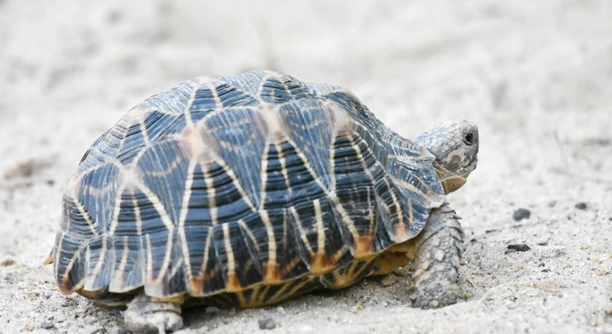
Indian star tortoises are beautiful pets, but like all animals, they require proper care. Overfeeding can lead to serious health issues that affect their overall well-being. Recognizing the signs early can help avoid these problems.
Overfeeding in Indian star tortoises can lead to obesity, shell deformities, and digestive issues. Identifying warning signs such as weight gain, lethargy, or irregular feeding patterns is crucial for preventing long-term harm. Proper portion control is key.
By observing your tortoise’s eating habits and physical condition, you can make adjustments to ensure they stay healthy. Keeping track of these signs will help you avoid potential risks to their health and well-being.
Recognizing the First Warning Signs of Overfeeding
Overfeeding can be a hidden problem with Indian star tortoises. One of the first signs is noticeable weight gain. When you notice your tortoise becoming heavier, it may be due to an excess of food. Along with weight gain, lethargy can set in. Tortoises that are overfed may be less active and spend more time resting than moving around. This lack of energy is often linked to an imbalance in their diet. Overfeeding leads to problems with digestion, which can result in your tortoise being too tired to explore or enjoy their environment.
To ensure your tortoise stays active and healthy, you must pay attention to their feeding schedule. Overfeeding doesn’t just make them overweight; it can also affect their behavior and happiness.
A proper feeding routine is key. Provide the right portion of food and avoid feeding them too frequently. It’s important to feed them based on their size and activity level. Always give them a balanced diet that matches their nutritional needs. Overfeeding can affect not only their physical appearance but also their mental health. By sticking to a controlled feeding schedule, you can avoid these common issues and keep your tortoise happy.
How Overfeeding Affects Digestion
Overfeeding can cause digestive problems in Indian star tortoises. A common symptom of this issue is constipation. Too much food can overwhelm their digestive system, leading to discomfort. This can make your tortoise less interested in eating or moving around. Their digestive system needs time to process food, and overloading it may prevent proper digestion.
The effects of poor digestion can go beyond just discomfort. If overfeeding becomes a habit, your tortoise may develop serious long-term health issues, including organ stress. In the wild, tortoises do not have constant access to food, so their bodies are adapted to process food more slowly. Providing food in excess can strain their organs, affecting their ability to absorb nutrients. A healthy digestive system relies on the right amount of food and time to process it.
A diet that is too rich in protein or too heavy can also lead to digestive issues like bloating or diarrhea. To avoid this, it’s essential to stick to a feeding plan that matches your tortoise’s needs, ensuring they get the right nutrients in proper amounts. Maintaining a balance in their diet not only supports digestion but also their overall health. Keeping track of their feeding habits will give you a clear idea of what is working best. Regularly monitoring your tortoise’s health and digestion will help catch any issues early, ensuring they thrive.
Impact on Shell Health
Overfeeding can negatively impact the health of an Indian star tortoise’s shell. Too much food causes rapid growth, which can result in shell deformities. As they grow too quickly, their shells may develop soft spots or become misshapen. These issues affect the tortoise’s overall structure. A poorly developed shell leads to weak areas that are more susceptible to injury or infections.
Proper nutrition is important to maintain a tortoise’s shell strength. You want to make sure they’re getting the right balance of calcium and other nutrients without overfeeding. Overfeeding can lead to improper calcium absorption, making it harder for their shells to develop properly. Instead of growth spurts, a slow, steady increase in size supports a stronger shell.
To prevent shell problems, it’s essential to give your tortoise the correct amount of food. A well-balanced diet with the right amounts of protein and calcium will support shell health. Pay attention to your tortoise’s growth rate, and make adjustments to their diet if needed to avoid shell deformities.
Behavioral Changes Due to Overfeeding
Overfeeding can alter your tortoise’s behavior, making it more sluggish. When your tortoise eats too much, its body needs more time to digest, which can result in decreased activity. This can affect how much it moves around its enclosure, sometimes even staying in one spot for extended periods. If you notice your tortoise becoming less active after meals, it’s likely due to overeating.
Another behavior change to look out for is a lack of interest in food. Overfed tortoises may stop eating or show less enthusiasm during mealtimes. This lack of interest could be caused by digestive issues or an imbalance in their diet. If your tortoise is overeating, it may simply not be hungry for its next meal, which can lead to further health problems if not addressed.
Behavioral signs are a clear indication that something is off. If you notice these changes in your tortoise, it’s time to reassess its feeding routine. Taking a step back and limiting the amount of food given can help restore healthy behavior patterns. Keeping track of your tortoise’s activity levels will help you understand how to adjust their diet for better health.
Changes in Eating Habits
If your Indian star tortoise’s eating habits change, it could be a sign of overfeeding. Overfed tortoises may eat less or seem uninterested in food. This lack of interest might stem from digestive discomfort or a full stomach that’s not ready for more.
Tortoises naturally have varied appetites, but when they’re consistently overfed, their body’s need for food decreases. They may start refusing meals or only nibbling at the food. This change should not be ignored. Keeping an eye on their feeding behavior can give you clues about their overall health and help prevent overeating.
Long-term Health Issues
Overfeeding can lead to long-term health problems, such as obesity and organ damage. Tortoises that are consistently overfed have a higher risk of developing heart and liver issues. Over time, excess fat accumulates, affecting their internal organs and making it harder for them to move comfortably.
Obesity in tortoises also leads to a shorter lifespan. The additional weight puts pressure on their joints and bones, which can cause joint problems or deformities. To avoid these long-term health issues, it’s essential to maintain a proper feeding routine. A healthy, balanced diet ensures that your tortoise lives a longer, more active life.
How to Adjust Feeding Routines
If your tortoise is overfed, it’s important to adjust its feeding routine. Start by reducing the portion sizes to a more appropriate amount. A good rule of thumb is to give food that fits within the size of its head or about 10% of its body weight. You want to make sure the diet stays balanced.
This may mean cutting back on high-protein or high-fat foods, focusing instead on leafy greens and vegetables that provide fiber. Keep track of how much food is given daily and avoid offering food too often. By adjusting the feeding schedule, your tortoise will have a healthier digestion and weight.
FAQ
How much should I feed my Indian star tortoise?
Indian star tortoises should be fed based on their size and age. As a general guideline, adult tortoises should be fed about 10% of their body weight per week. For younger tortoises, feed them more frequently—around once every other day—since they require more food for growth. Focus on a diet of leafy greens, some vegetables, and occasional fruit. Keep portions in check, and avoid overfeeding with protein-rich foods like animal matter. Consistent, controlled feeding is the key to maintaining a healthy weight and overall well-being.
How can I tell if my tortoise is overweight?
Overweight tortoises may show several signs. You might notice them becoming sluggish or not moving around as much. Their shell may look wider or rounder than usual. Another indicator is their inability to retract fully into their shell, which can happen if they carry excess fat. A healthy tortoise should be able to pull its head and limbs easily inside its shell. Regularly weigh your tortoise to track its weight and compare it to standard guidelines for its size and age.
Can overfeeding cause shell deformities in tortoises?
Yes, overfeeding can lead to shell deformities in Indian star tortoises. When tortoises grow too quickly due to excess food, their shells may not develop properly. A soft or misshapen shell could be the result of improper calcium absorption, which can occur when the diet is too rich or unbalanced. Calcium is crucial for a healthy shell, and overfeeding can interfere with the proper processing of this nutrient. To avoid shell deformities, it’s important to maintain a balanced diet with adequate calcium and to avoid overfeeding.
Should I feed my tortoise daily?
Feeding frequency depends on your tortoise’s age and size. Juvenile tortoises typically need to be fed daily or every other day, while adults can be fed every two to three days. Overfeeding, especially for adults, can lead to obesity and other health issues. A consistent feeding schedule, with the right balance of food, is crucial. Be sure to offer a variety of foods, and monitor how much your tortoise is eating. If they seem uninterested or sluggish, it could be a sign of overfeeding or improper portions.
What type of food should I avoid giving my tortoise?
There are certain foods that should be avoided when feeding your Indian star tortoise. These include high-protein foods like meat, eggs, or dog food, as they can lead to kidney issues and obesity. Sugary fruits, such as bananas and grapes, should also be given in moderation, as they can disrupt the tortoise’s digestive system. Additionally, avoid feeding them foods high in oxalates, like spinach, which can interfere with calcium absorption. Stick to leafy greens, grasses, and vegetables for a balanced, tortoise-friendly diet.
How do I prevent my tortoise from becoming obese?
To prevent obesity in your tortoise, make sure you follow a strict feeding routine with the right portion sizes. Avoid offering food too frequently and make sure the diet is not too high in protein or fat. Instead, focus on a variety of high-fiber foods like leafy greens and grasses. Regularly monitor your tortoise’s weight and adjust their food intake accordingly. If you notice your tortoise becoming less active or gaining weight, it may be time to cut back on portions. In addition to diet, provide enough space for your tortoise to move around and stay active.
Can overfeeding cause digestive problems in tortoises?
Yes, overfeeding can lead to digestive issues in Indian star tortoises. When a tortoise eats more than it can process, it can experience constipation, bloating, or diarrhea. The digestive system becomes overloaded, making it harder for the tortoise to absorb nutrients properly. A balanced diet, with the right portion sizes, helps avoid these problems. Additionally, ensure that your tortoise has access to fresh water to aid in digestion and prevent dehydration, which can worsen digestive problems.
What are the signs that my tortoise is not eating enough?
Signs that your tortoise isn’t eating enough include weight loss, lethargy, and a lack of energy. If your tortoise isn’t eating, it could be due to an illness, stress, or an unbalanced diet. Keep track of its food intake and check if its diet is properly balanced with sufficient nutrients. If your tortoise continues to show no interest in food, it’s important to consult a vet to rule out health issues. Sometimes, environmental factors, such as temperature or humidity, can also affect a tortoise’s appetite, so ensure their habitat is suitable.
How often should I give my tortoise water?
Tortoises should always have access to fresh water. It’s essential to keep their hydration levels up, especially when they are eating high-fiber foods that require water for digestion. While tortoises may not drink large amounts at once, they tend to drink frequently. Offering a shallow dish of water that’s easily accessible will encourage them to drink throughout the day. If your tortoise is showing signs of dehydration—like dry skin, sunken eyes, or reduced activity—make sure to increase its water intake. You can also mist their habitat to help with hydration.
What is the best diet for an Indian star tortoise?
The best diet for an Indian star tortoise includes a variety of leafy greens like dandelion, collard greens, and mustard greens. You can also feed them edible flowers, grasses, and vegetables like squash and bell peppers. It’s important to limit fruits to an occasional treat, as they can be too sugary. Protein sources should be minimal, and high-calcium foods like calcium-rich vegetables or supplements are essential for shell health. A varied diet will provide the nutrients your tortoise needs while keeping its weight in check and digestion healthy.
When it comes to keeping your Indian star tortoise healthy, proper feeding is essential. Overfeeding can lead to several health issues, such as obesity, digestive problems, and shell deformities. The key is to provide a balanced diet and avoid giving too much food, especially high-protein or high-fat items. By following a controlled feeding schedule and paying attention to their behavior, you can prevent many of the negative consequences that come with overfeeding.
It’s also important to monitor your tortoise’s weight and activity levels regularly. If you notice that your tortoise is becoming less active, has trouble moving, or is gaining weight too quickly, it may be a sign of overfeeding. Adjusting their diet and reducing portions can help bring things back into balance. Additionally, ensuring they have a variety of foods, such as leafy greens and vegetables, will help keep them healthy without the risk of nutritional imbalances.
In the long run, creating a healthy feeding routine for your tortoise will lead to better overall health and a longer, more active life. Avoid the temptation to overfeed them, as it might seem harmless but can cause serious problems down the line. Keep track of their food intake, offer them the right portions, and always provide access to fresh water. These simple steps will go a long way in ensuring your tortoise stays happy and healthy.

Hello,
If you enjoy the content that we create, please consider saying a "Thank You!" by leaving a tip.
Every little bit helps us continue crafting quality advice that supports the health, happiness, and well-being of pets around the world, for pets of all shapes, sizes, and species.
We really appreciate the kindness and support that you show us!