
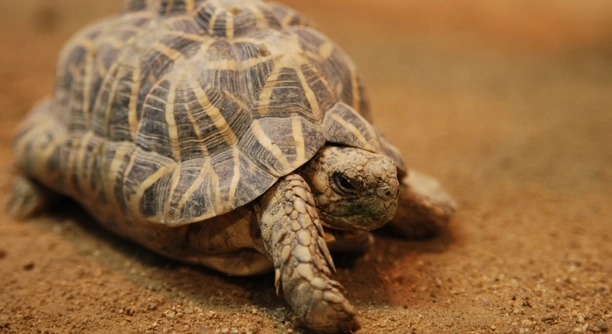
Indian Star Tortoises are unique and fascinating creatures. As a pet owner, you may want to provide them with a variety of foods. One plant that often raises questions is aloe vera. Let’s take a look at its suitability.
Indian Star Tortoises should not eat aloe vera. While aloe vera contains compounds that are toxic to tortoises, it can lead to digestive issues, dehydration, and even death if consumed in large amounts. Therefore, it’s best avoided in their diet.
There are many other plants that are safe and nutritious for your tortoise. Learning what to feed your tortoise can improve its well-being and health.
Aloe Vera and Its Toxicity to Indian Star Tortoises
Aloe vera contains compounds called saponins and anthraquinones that are toxic to many animals, including Indian Star Tortoises. These compounds can cause serious issues in the digestive system, leading to symptoms like diarrhea, vomiting, and stomach cramps. In severe cases, these toxins can cause dehydration, which is particularly dangerous for tortoises. Dehydration can affect their vital organs, causing long-term harm. Even small amounts of aloe vera can cause discomfort, and over time, frequent exposure may worsen their overall health. For this reason, it is essential to keep aloe vera away from your tortoise’s diet to ensure their safety.
Although aloe vera is beneficial for humans in many ways, its effects on reptiles are different. It’s easy to overlook this danger because aloe vera is commonly found in many households. However, tortoises are particularly vulnerable to plants that are high in toxins. Make sure to educate yourself about the plants that are safe for them.
If you’ve been feeding your tortoise aloe vera, you might notice changes in its behavior or health. If symptoms like diarrhea or lethargy appear, it’s crucial to stop feeding aloe vera immediately. In case of serious symptoms, contact a vet right away. Prevention is key, so always double-check what you’re offering your pet.
Safe Alternatives for Indian Star Tortoises
There are many plants that are safe and nutritious for your tortoise. Leafy greens such as dandelion, collard greens, and mustard greens are excellent choices. These plants provide essential vitamins and minerals to support your tortoise’s health. Additionally, you can offer them grass, clover, and various flowers like hibiscus and pansies. Providing a variety of safe plants can mimic their natural diet and keep them happy.
Tortoises in the wild often graze on different types of vegetation, so variety is important. To balance their diet, ensure that your tortoise is getting enough fiber to aid digestion. Leafy greens are also a great source of calcium, which helps with shell and bone development. It’s always best to offer these foods in moderation to avoid overfeeding. By providing a variety of safe foods, you are helping your Indian Star Tortoise maintain a healthy and happy lifestyle. Stick to fresh, pesticide-free options to avoid harmful chemicals.
Signs of Aloe Vera Toxicity in Tortoises
If your Indian Star Tortoise has ingested aloe vera, look for signs of distress. Common symptoms include diarrhea, loss of appetite, and vomiting. Your tortoise may also appear more lethargic than usual. In severe cases, it could show signs of dehydration, such as sunken eyes and dry skin.
If you notice these symptoms, it’s crucial to act quickly. Remove the aloe vera from its environment immediately. Offer your tortoise fresh water and check for signs of dehydration. If symptoms persist or worsen, contact a vet right away. Prolonged exposure to aloe vera can lead to more serious health issues, so early intervention is key.
It’s also helpful to monitor your tortoise’s behavior in the days following any potential exposure. Sometimes, minor symptoms like slight lethargy can be easy to miss. Keep a close eye on its eating habits and overall energy levels. If any unusual behavior continues, don’t hesitate to consult with a professional to ensure your pet’s well-being.
What to Do if Your Tortoise Eats Aloe Vera
If your tortoise has eaten aloe vera, immediate action is required. Remove any remaining aloe from its enclosure to prevent further consumption. Provide access to clean, fresh water, as hydration is essential for flushing out toxins. Ensure that your tortoise is in a warm, dry place to avoid any stress from environmental factors.
Monitor its condition closely over the next few hours. If symptoms like diarrhea or vomiting appear, contact a vet. Dehydration is a serious concern, so it’s important to ensure your tortoise is drinking enough water. A professional can provide hydration through an intravenous drip if needed. In the case of a more severe reaction, they may administer medication to help with recovery.
Keep the environment as calm as possible. Stress can worsen the situation, so make sure your tortoise feels safe. Avoid handling it too much, and give it the space to recover fully. Most importantly, continue offering safe, healthy foods and remove any dangerous plants from its habitat moving forward.
Prevention of Aloe Vera Exposure
To keep your Indian Star Tortoise safe, make sure aloe vera is kept out of reach. This includes both in your home and in its enclosure. Check for any aloe plants in the garden or yard as well. Even accidental consumption can have harmful effects.
Regularly inspect your tortoise’s living space for potential hazards. Remove any plants or items that could pose a risk to its health. Educate family members or anyone who cares for your tortoise about the dangers of certain plants, so everyone is on the same page. It’s better to be safe than sorry.
How to Safely Feed Your Tortoise
A balanced diet for your tortoise includes fresh, safe vegetables like collard greens, kale, and dandelion greens. Avoid feeding them high-oxalate foods, which can hinder calcium absorption. Introduce variety, but ensure the food is pesticide-free and free of harmful chemicals. Organic options are always a safe choice.
Safe foods will help your tortoise grow strong and healthy. Always monitor its health after introducing a new food item to ensure there are no adverse reactions. Keeping your tortoise’s diet varied, yet safe, is key to its long-term well-being.
Importance of Consulting a Veterinarian
If you are unsure about what plants are safe for your tortoise, it’s always best to consult a vet. An experienced reptile vet can provide accurate guidance. Regular check-ups will also help monitor your tortoise’s health and prevent potential issues from arising in the future.
FAQ
Can Indian Star Tortoises eat aloe vera?
No, Indian Star Tortoises should not eat aloe vera. Aloe vera contains compounds like saponins and anthraquinones that are toxic to tortoises. Consuming it can lead to digestive issues, dehydration, and even death in extreme cases. It’s best to avoid feeding aloe vera altogether and stick to safer plant options.
What are the signs that my tortoise has eaten aloe vera?
If your tortoise has ingested aloe vera, you may notice symptoms such as diarrhea, vomiting, or a loss of appetite. It may also become lethargic and show signs of dehydration, including sunken eyes and dry skin. If any of these signs appear, contact a vet immediately for advice.
What should I do if my tortoise eats aloe vera?
If your tortoise has eaten aloe vera, remove it from the enclosure immediately and monitor its condition. Offer fresh water to prevent dehydration and watch for signs of distress. If symptoms like vomiting or diarrhea appear, take your tortoise to the vet as soon as possible. Early intervention can help prevent further health issues.
How can I prevent my tortoise from eating harmful plants like aloe vera?
To prevent your tortoise from eating harmful plants, keep all toxic plants out of its reach. This includes aloe vera, as well as other potentially dangerous plants like ivy, lilies, and certain types of succulent plants. Regularly inspect your tortoise’s living environment for any potential hazards and educate others about what is safe for your pet.
What plants are safe for Indian Star Tortoises to eat?
Indian Star Tortoises can eat a variety of safe plants, including dandelion greens, collard greens, mustard greens, and clover. These plants are high in essential nutrients, like calcium and fiber, that promote healthy digestion and overall well-being. Always ensure that the plants you offer are free of pesticides and chemicals, which can be harmful to your tortoise.
Are there any plants that are toxic to tortoises?
Yes, many plants are toxic to tortoises. Aside from aloe vera, plants such as ivy, daffodils, and certain species of lilies can cause poisoning in tortoises if ingested. It’s important to research plants before offering them to your pet and to keep potentially toxic plants out of their environment.
How do I know if my tortoise is dehydrated?
Signs of dehydration in tortoises include sunken eyes, dry or wrinkled skin, and a lack of appetite. If your tortoise isn’t drinking enough water or eating, dehydration may be the cause. If you notice any of these signs, offer water immediately and contact a vet for further assistance.
Can I give my tortoise fruits?
While tortoises can have small amounts of fruit, it should be offered sparingly. Fruits like strawberries, bananas, and apples are okay in moderation, but they are high in sugar, which can lead to digestive problems if fed in excess. A diet primarily consisting of leafy greens and grasses is best for your tortoise.
How often should I feed my Indian Star Tortoise?
An adult Indian Star Tortoise should be fed every other day. You can offer a variety of leafy greens, grasses, and flowers. Juveniles, however, may require daily feeding. Be sure to adjust their diet depending on their size, activity level, and overall health, and always avoid overfeeding.
Is it okay to feed my tortoise commercial food?
Commercial tortoise food can be offered occasionally, but it should not be the main part of their diet. These foods may lack essential nutrients like calcium and fiber. It’s better to focus on providing a variety of fresh, natural foods like leafy greens, grass, and flowers to ensure a well-rounded, nutritious diet.
What should I do if my tortoise stops eating?
If your tortoise stops eating, first check for any signs of illness, injury, or stress. Environmental factors such as temperature and humidity may also affect their appetite. If your tortoise continues to refuse food for more than a few days, it’s important to take it to the vet for a thorough examination to rule out health problems.
Can Indian Star Tortoises live alone or do they need company?
Indian Star Tortoises are solitary animals, so they don’t need companionship from other tortoises to thrive. In fact, they can sometimes become territorial, and introducing another tortoise can lead to stress or aggression. They’re perfectly fine living alone, as long as their habitat meets their needs for space and food.
Do Indian Star Tortoises need UV light?
Yes, Indian Star Tortoises require UVB light to maintain their health. UVB light helps them produce vitamin D3, which is necessary for calcium absorption and shell development. Without proper UVB exposure, tortoises can develop metabolic bone disease. Make sure to provide a proper light source in their habitat to keep them healthy.
Final Thoughts
Caring for an Indian Star Tortoise involves understanding what foods are safe and what should be avoided. Aloe vera is a plant that can be harmful to your tortoise and should never be included in their diet. The compounds in aloe vera can lead to serious health problems like digestive issues, dehydration, and even death if consumed in large amounts. It’s important to keep aloe vera, along with other toxic plants, out of your tortoise’s reach. Keeping their environment clean of harmful substances is a simple way to ensure your tortoise stays healthy and happy.
Providing a varied, balanced diet is essential for your tortoise’s overall well-being. While some plants, like aloe vera, should be avoided, there are many other safe options that offer important nutrients. Leafy greens such as collard greens, dandelion greens, and clover are all great choices. These plants offer calcium, fiber, and other nutrients that help maintain a strong shell and a healthy digestive system. It’s important to keep your tortoise’s diet as close to what it would naturally eat in the wild, as this helps mimic their natural feeding habits.
By paying attention to what your tortoise eats, you can help prevent health issues before they start. If your tortoise does ingest something harmful, it’s important to recognize the symptoms early and take action. Symptoms like diarrhea, lethargy, and dehydration should not be ignored. When in doubt, always contact a vet to ensure the best care for your tortoise. Understanding the needs and risks involved in tortoise care will help you provide a safe and nurturing environment, leading to a long, healthy life for your pet.

Hello,
If you enjoy the content that we create, please consider saying a "Thank You!" by leaving a tip.
Every little bit helps us continue crafting quality advice that supports the health, happiness, and well-being of pets around the world, for pets of all shapes, sizes, and species.
We really appreciate the kindness and support that you show us!